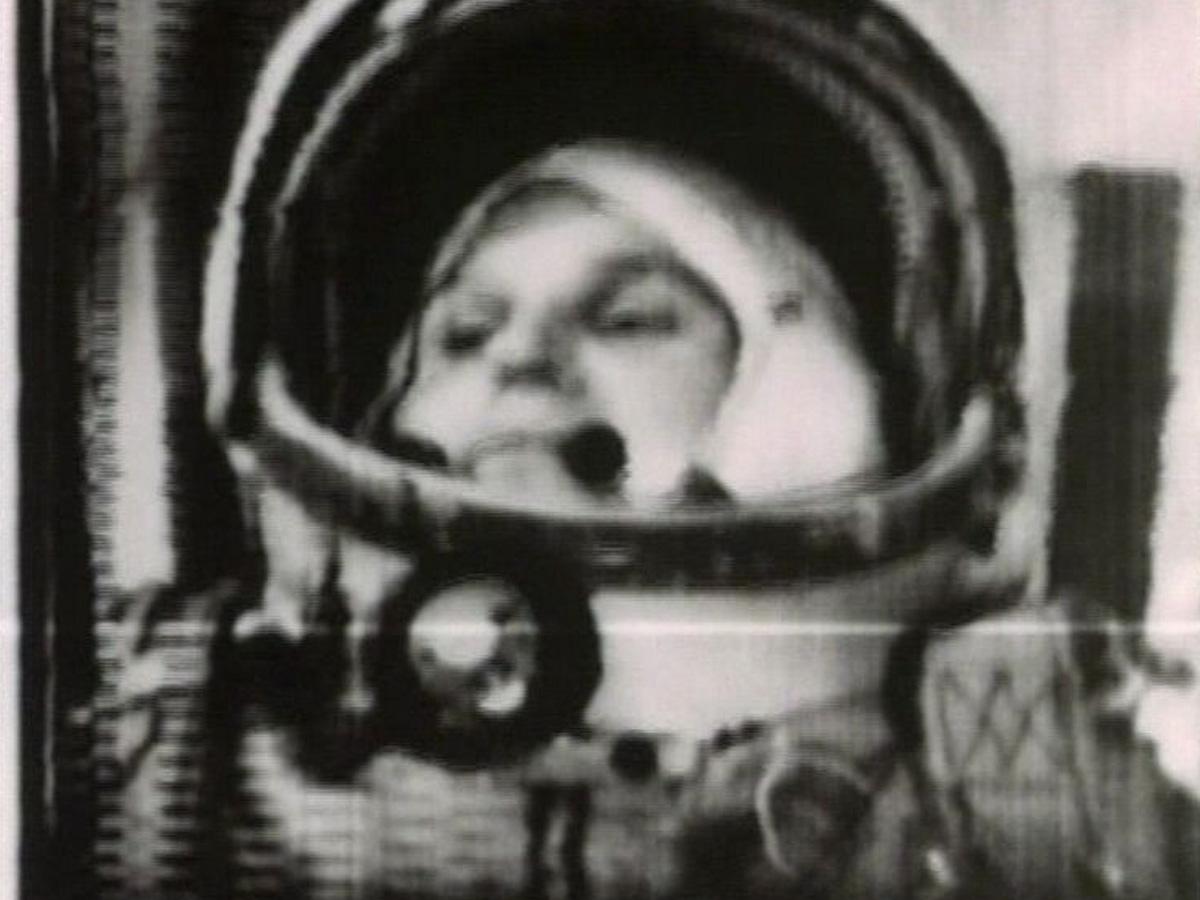
Set in the year 2103 and in outer space, a character looks back on women of previous generations. In this fictitious 22nd century, emancipatory thinking like feminism and socialism gains new relevance.
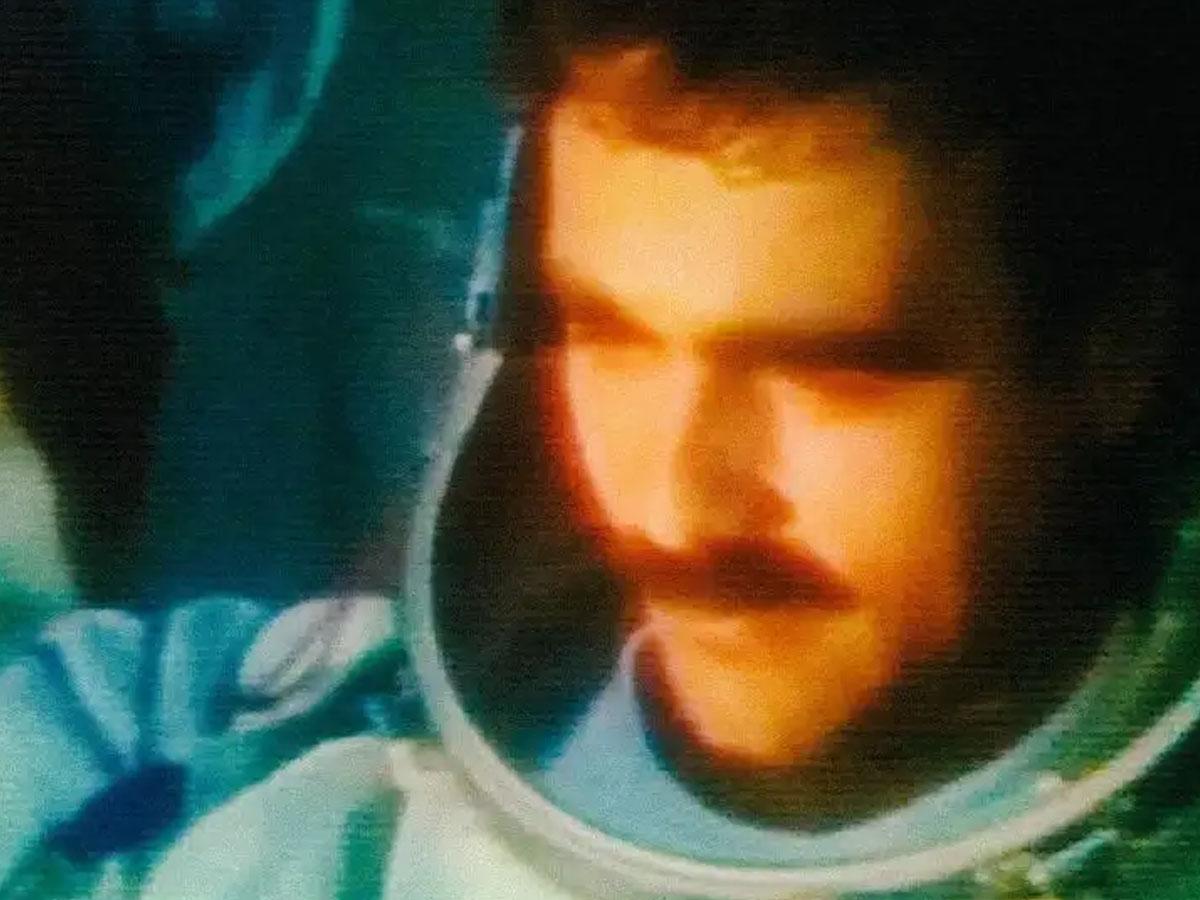
When cosmonaut Abdul Ahad Momand called his mother from orbit in 1988, he made Pashto the fourth language ever spoken in outer space. His journey became a brief symbol of hope as Afghanistan descended into turmoil and millions were forced into exile.
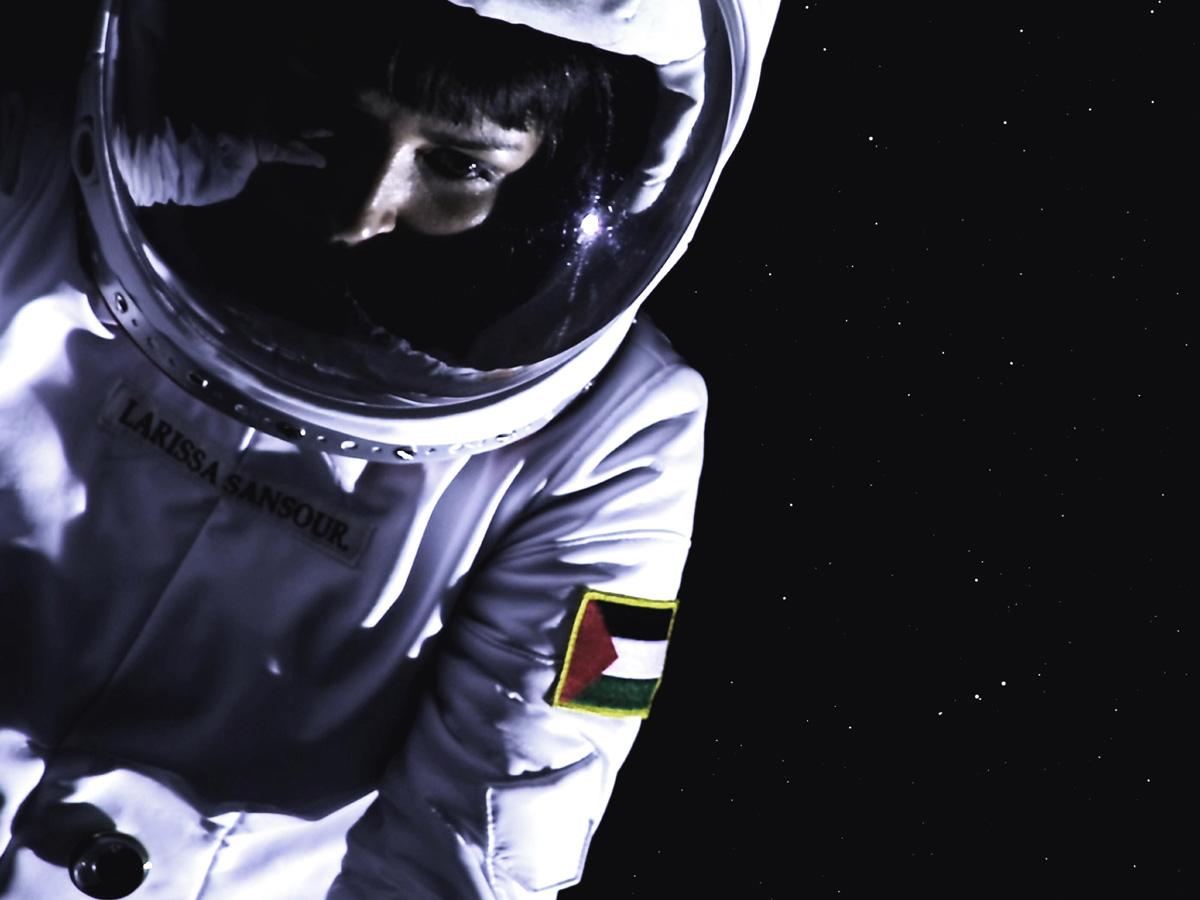
An exploration of the universe envisioned in Stanley Kubrick’s 2001: A Space Oddyssey. The recognisable music scores of the 1968 science fiction film are changed to arabesque chords, and surreal visuals reflect on the idea of a first Palestinian in galactic space.
In this desktop essay, Belgian skater-photographer Abel Kleinblatt examines how sidewalks are designed to guide pedestrian movement and how skateboarders recontextualise that urban architecture, giving curbs and pavements an alternative purpose.
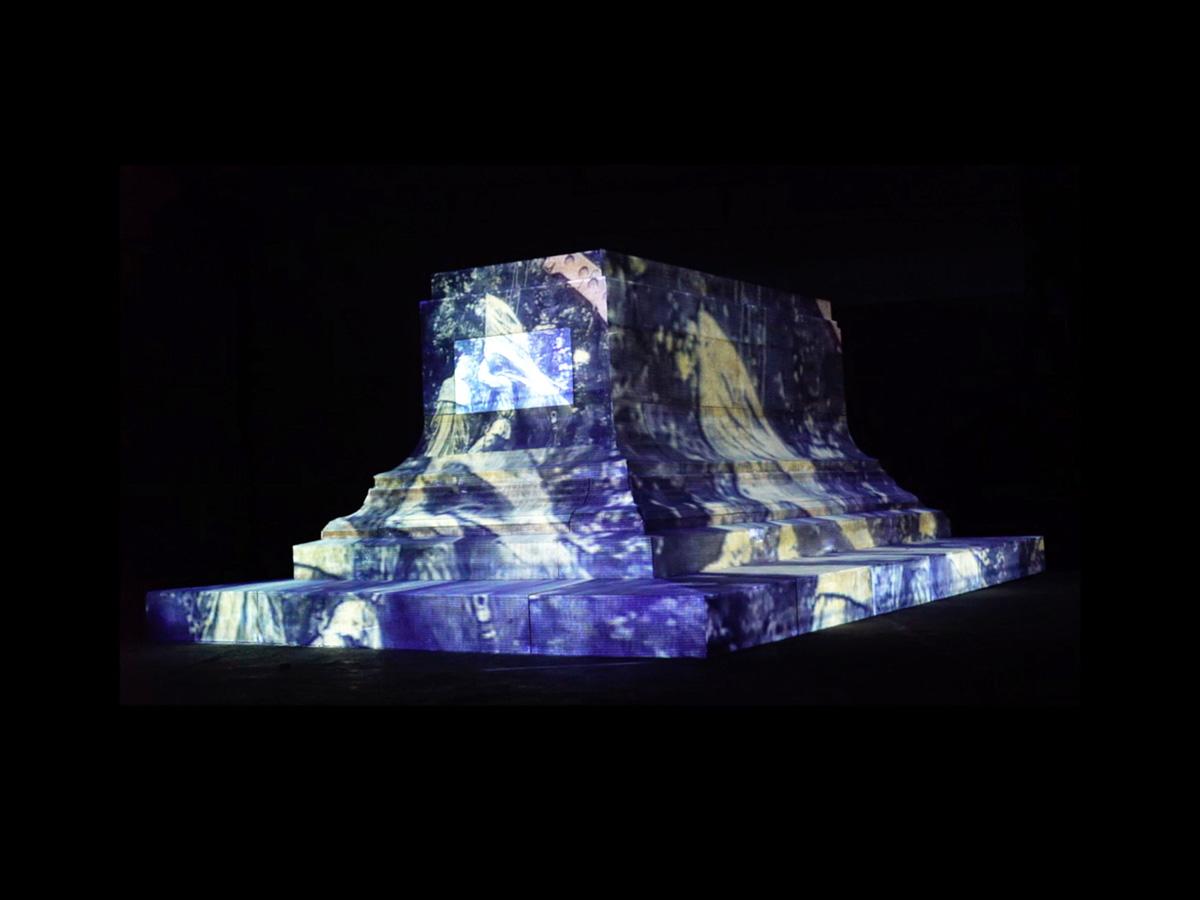
Inspired by the toppling of King Leopold II’s statue in Kinshasa, Collectif Faire-Part’s Speech for a Melting Statuefollows poet Marie Paule Mugeni as she delivers a speech anticipating its eventual removal from the city.
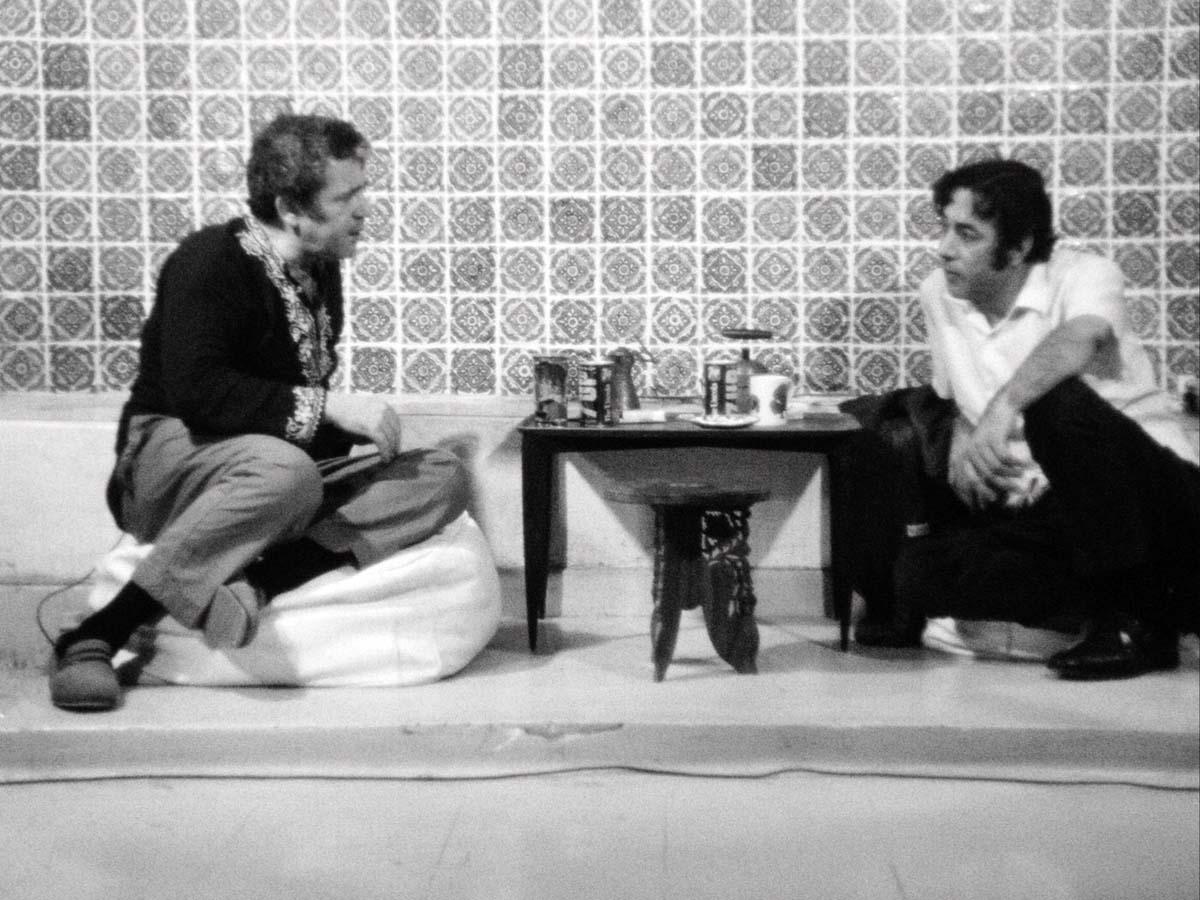
Palestinian poet Rashed Hussein and Israeli writer Amos Kenan seek dialogue toward a possible solution to “the never-ending conflict.” Never before have both sides discussed a mutual problem so frankly.
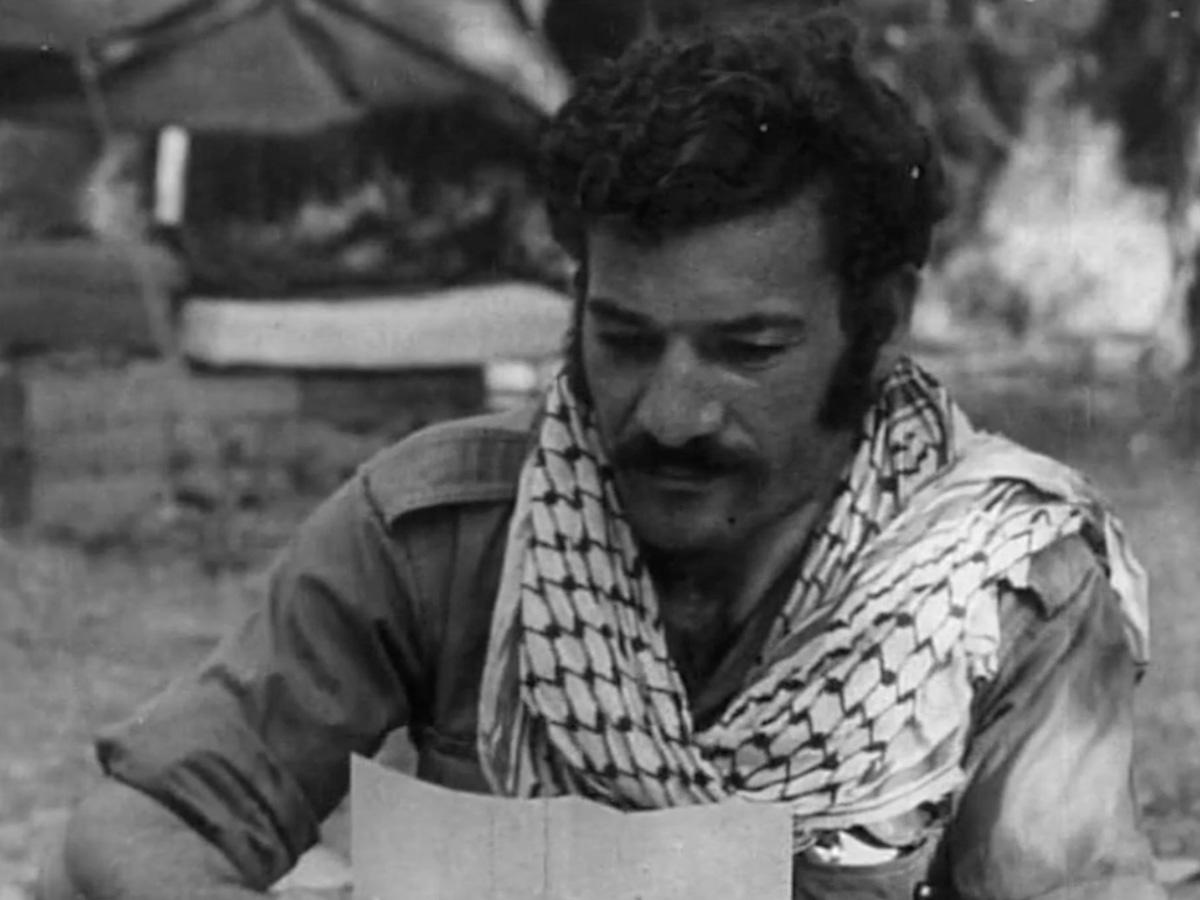
A landmark in Palestinian revolutionary cinema: Mustafa Abu Ali, co-founder of the Palestine Film Unit (PFU), depicts daily life in the Nabatia refugee camp in southern Lebanon.
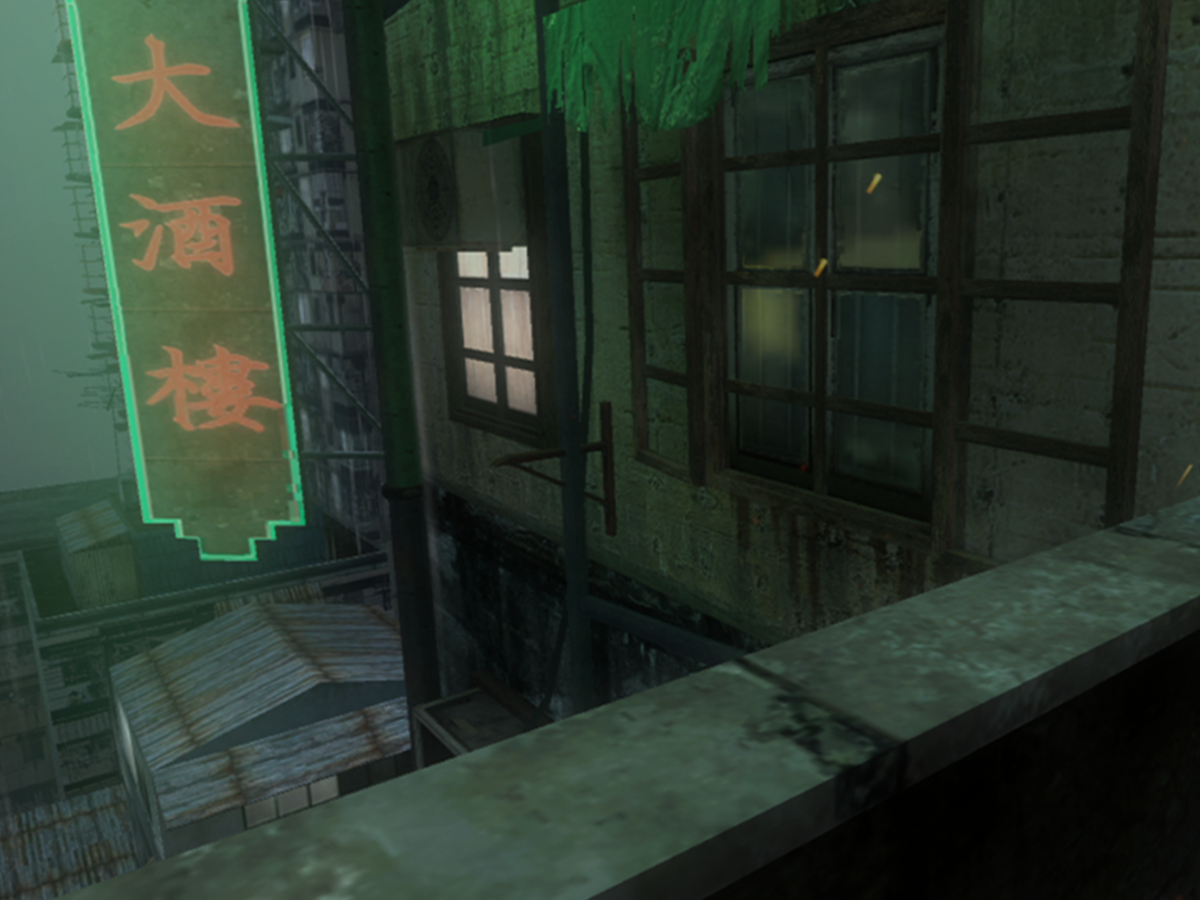
The militaristic environment of the dystopian multiplayer shooter game Tom Clancy’s The Division is reused for a pacifist city tour. During a walk through the post-apocalyptic city, issues such as architectural history and urbanism are discussed.
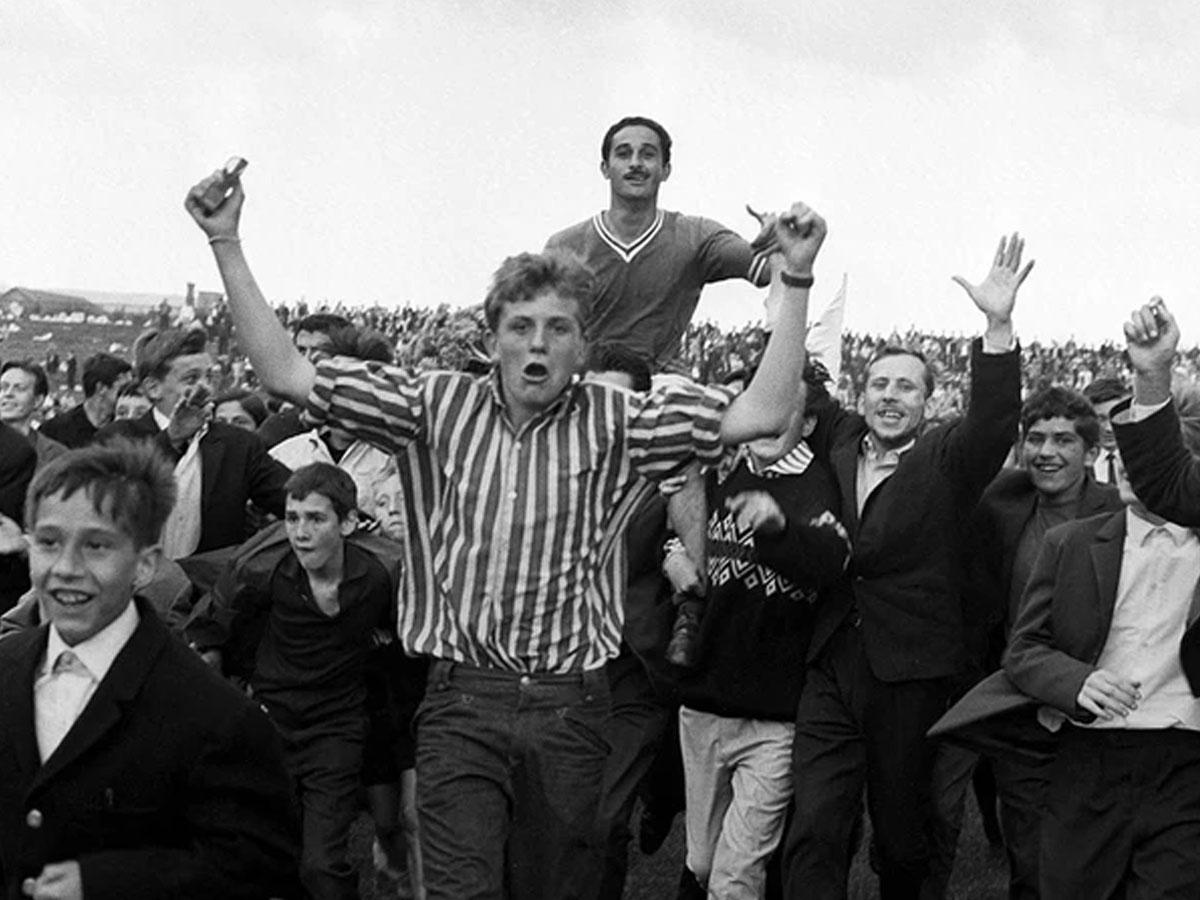
In 2009, the Algerian football team beat Egypt, securing their place in the 2010 World Cup. Algerian artist Amina Menia remembers the celebrations as surreal, given the political tensions in both countries.
Catherine Poitevin, Simone Bitton, France, 1991, 46’
During the Gulf War, Serge Daney wrote that conversation—what he called “a typically Franco-Arab art”—could no longer take place between him and his Arab friends. Saddened by this realisation, an opportunity was created to offer him a space.
Built entirely within the Grand Theft Auto video game engine, Workprint: De Facto Vela Incident recontextualises historical archives to explore geopolitics, secrecy, and the blurred lines between reality and simulation.
489 Years shows the Demilitarized Zone between North and South Korea through the narration of a soldier who entered the DMZ, one of the most dangerous and heavily armed places in the world.
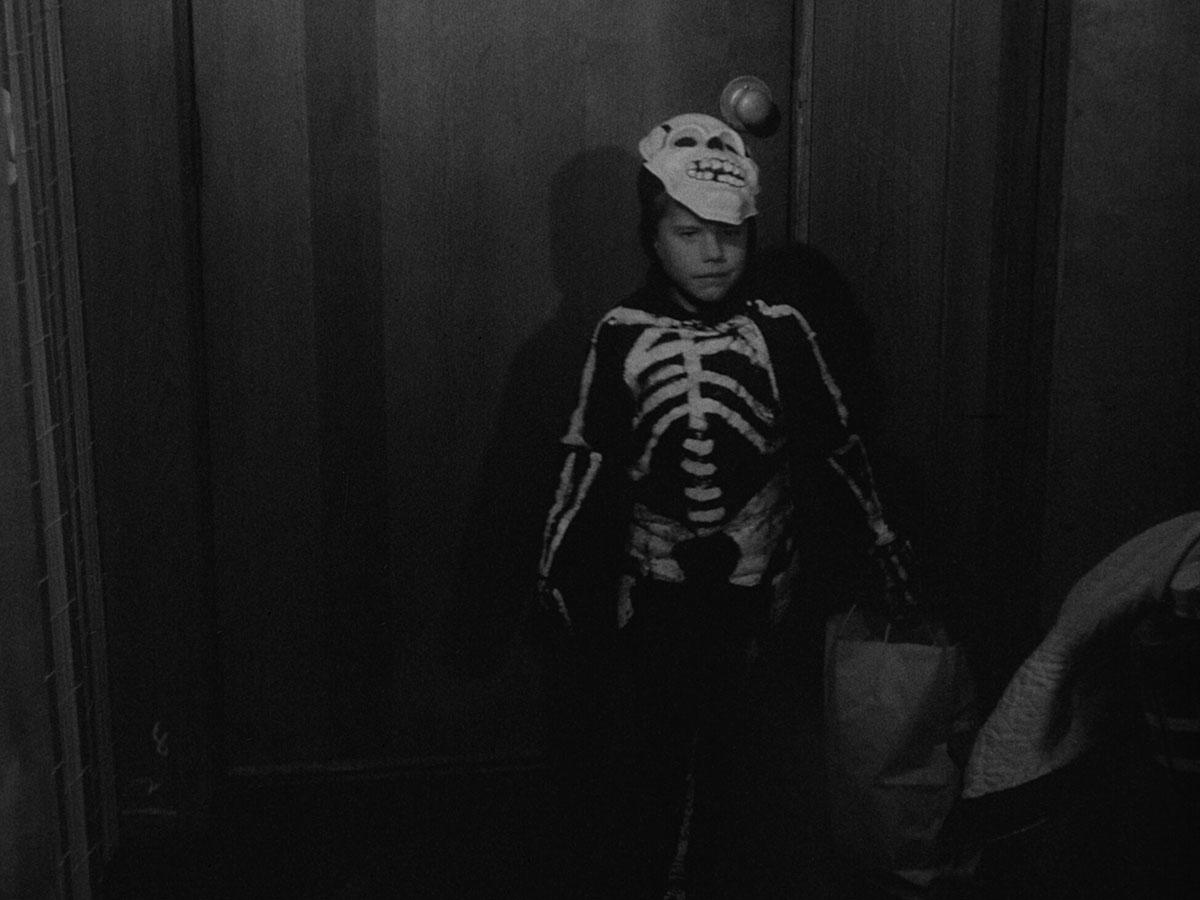
A young lad dresses up for an annual round of trick-or-treating with his school friends in this 1960 public service announcement. However, their night’s haul won’t benefit themselves.
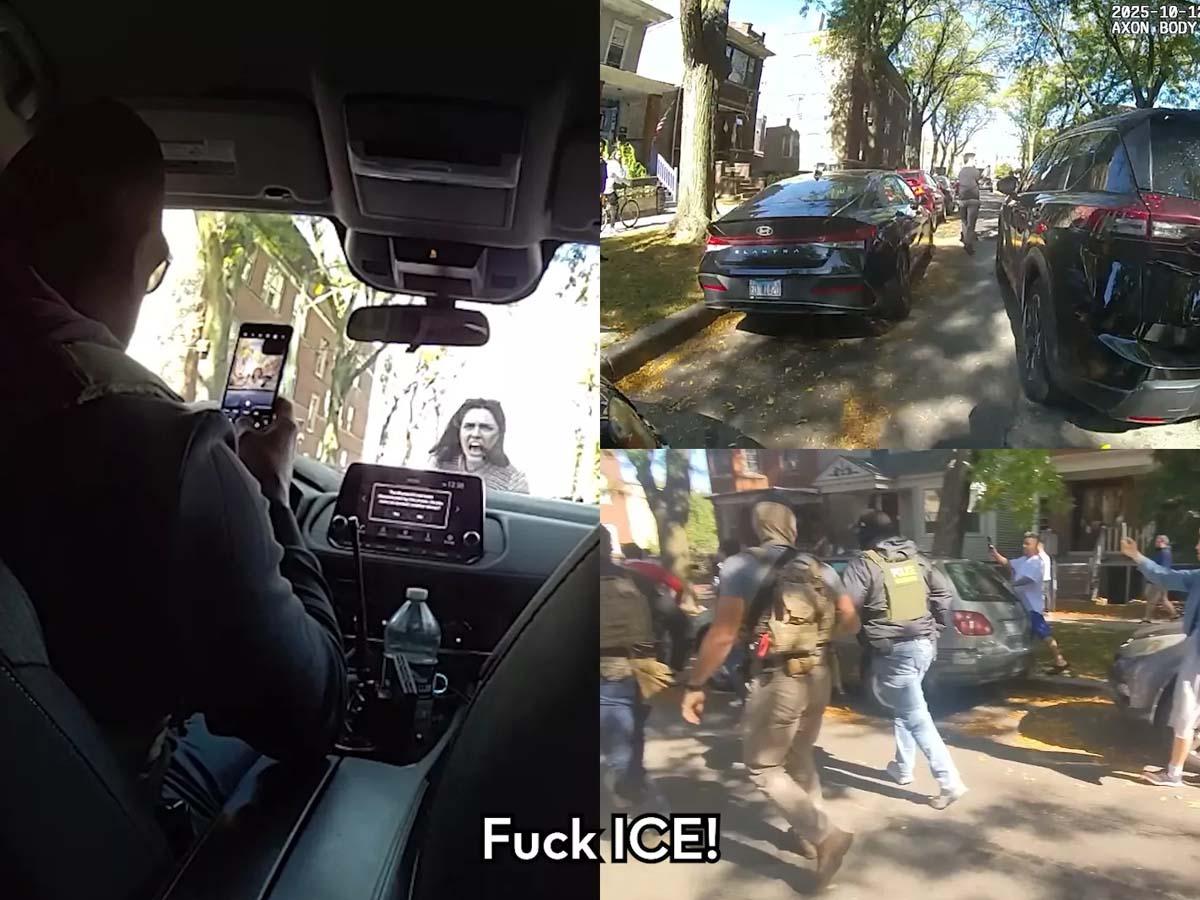
In Sawyer Avenue, Sunday Afternoon, Bill Morrison presents a chronology of an ICE raid and the civil resistance that follows it. A found-footage collage of mobile phone and bodycam footage.
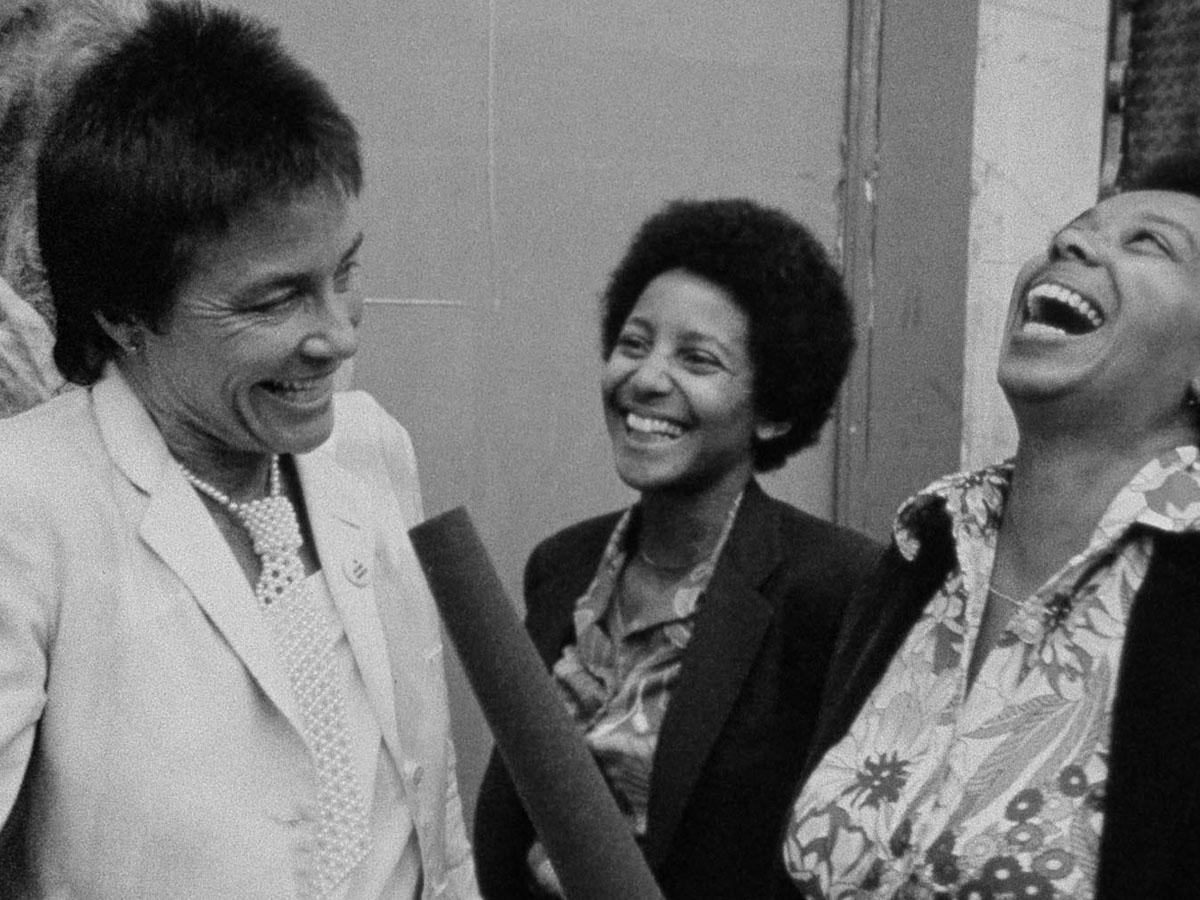
Barbara Hammer takes out her camera to film audiences at screenings of her films. She wanted to show the diversity in a women’s audience: the sophistication, the thoughtfulness, the fun-loving spirit, the flirtations, the detailed, the subtle.
By making its central character ever-changing, Tukuleur attempts to show how our gaze influences the interpretation of different bodies in different contexts. The film shows the consequences of these gazes and their linked representations for the personal growth of the character.
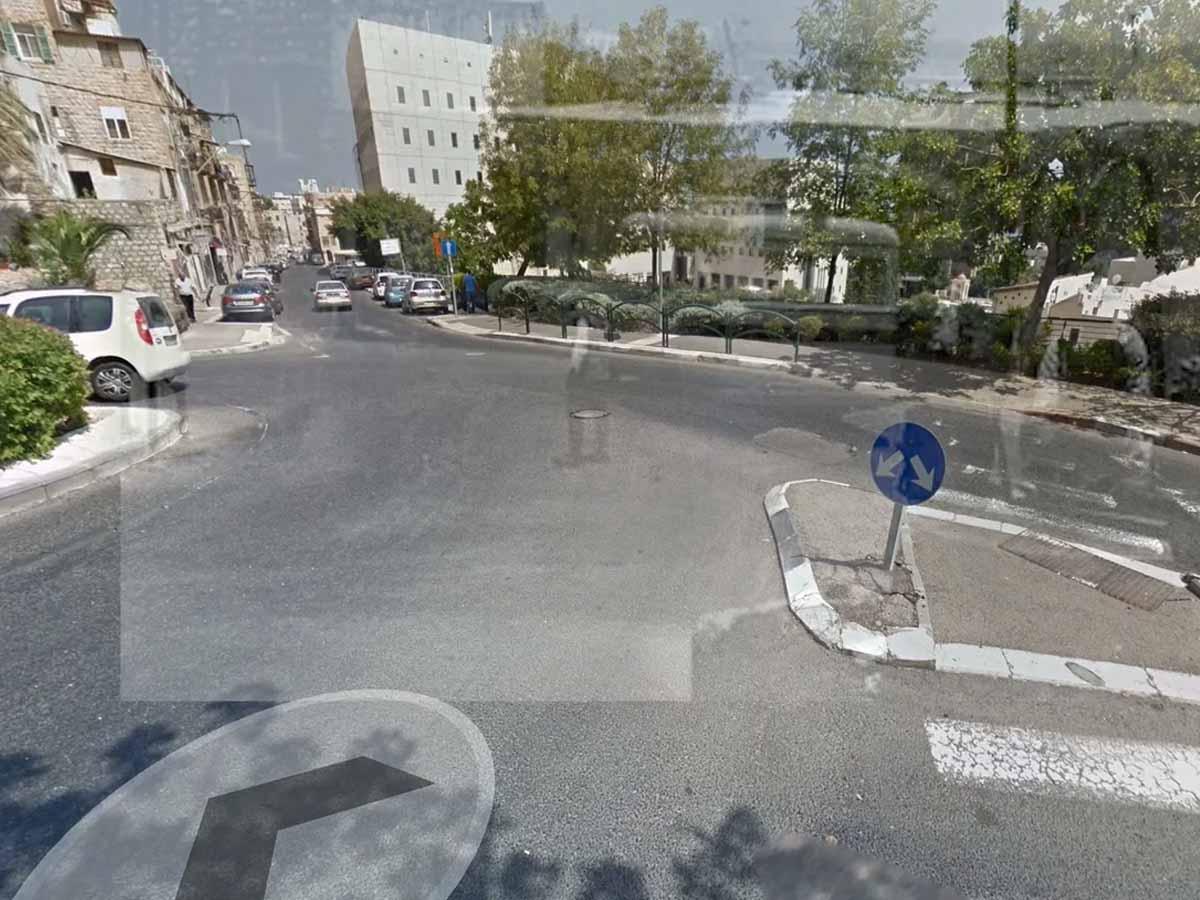
Een Palestijnse grootmoeder keert terug naar haar geboortestad Haifa, waar ze het landschap verkent op de enige mogelijke manier: als een digitale geest via Google Street View.
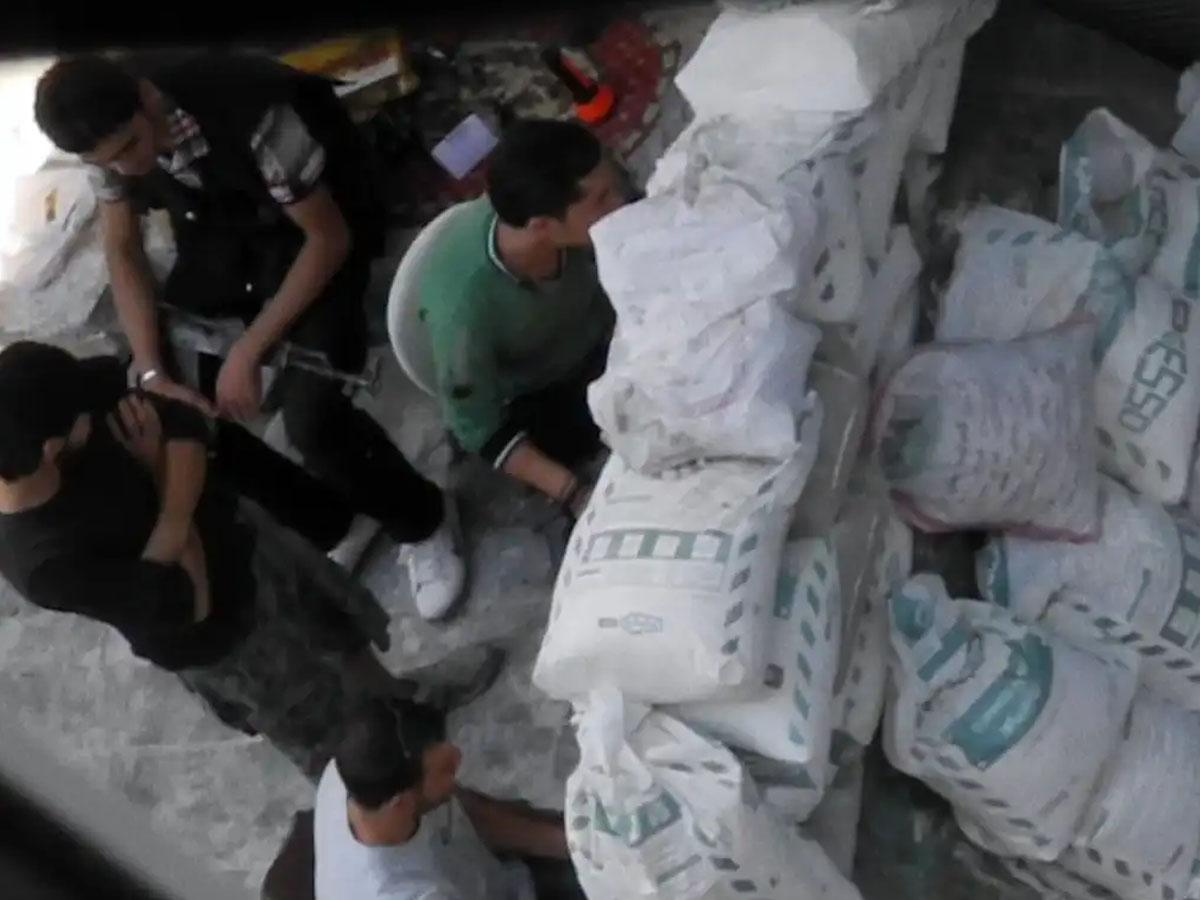
One morning in August 2012, renowned Syrian photographer Issa Touma saw young men lugging sandbags into his street. It turned out to be the start of the Syrian uprising in Aleppo.
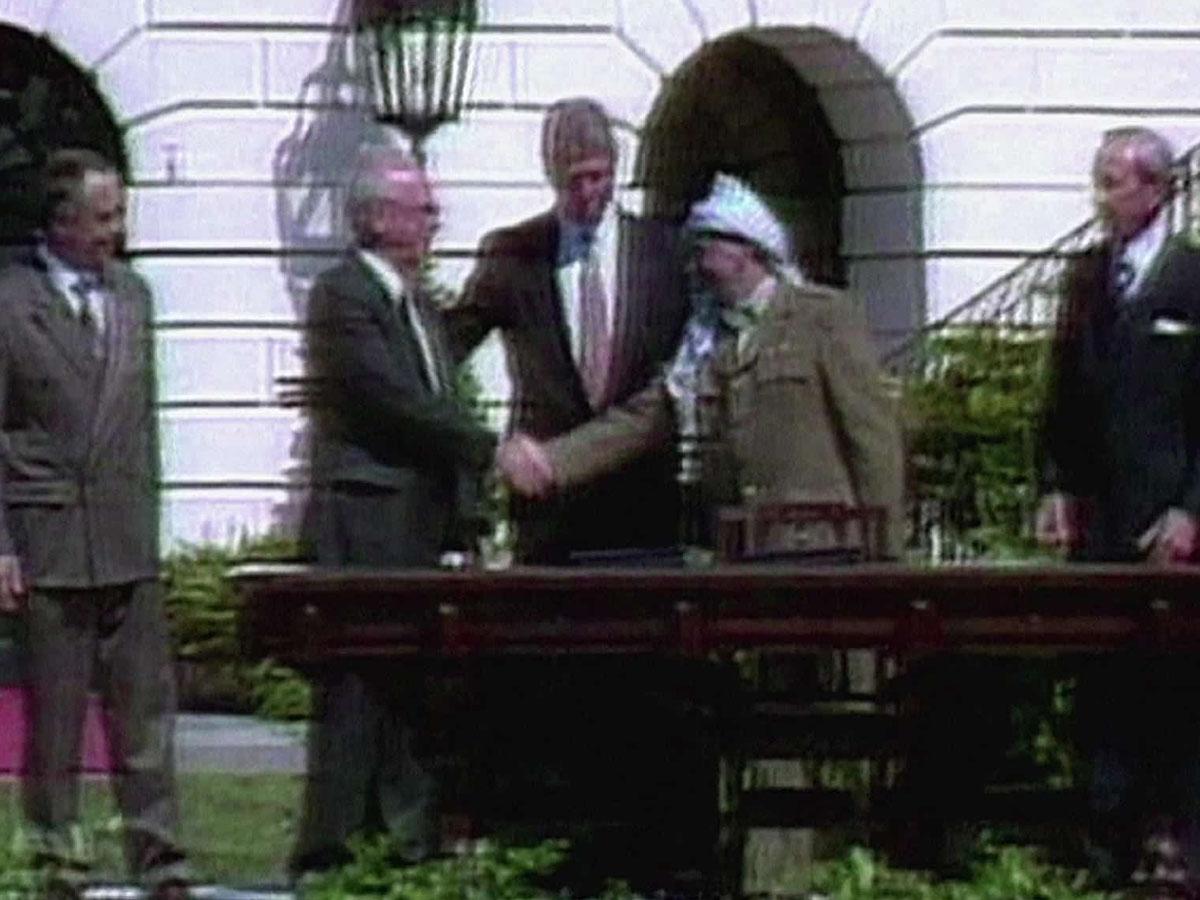
September 13, 1993: Yasser Arafat, Yitzhak Rabin and Bill Clinton’s handshake on the lawn of the White House after signing the Oslo Accords. A historic moment, repeated 20 times.
In this hybrid 3D animated film, a pseudo-intellectual menagerie reflects on the contemporary political landscape on the other side of the Corsican Sea through dry wit and Disney fonts.
Obtaining official documents is a symbol of coveted freedom and security for migrants. But how do you navigate the administrative labyrinth? This film explores the relationship between identity, race, and European bureaucracy.
People are heading for a better place on either side of the ocean. Although their paths do cross at times, they never really seem to meet. Paradise is a light-hearted yet critical reflection on the ethics of tourism.
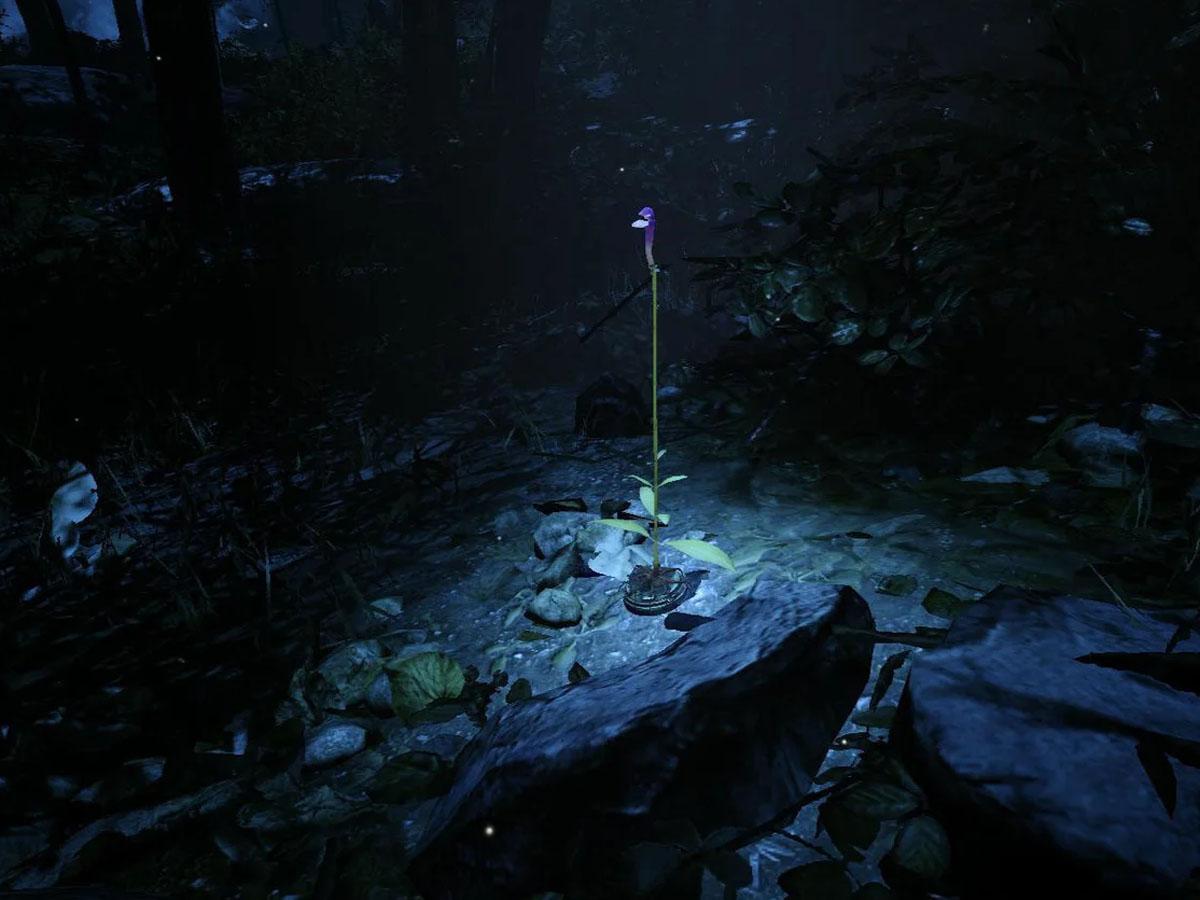
Rana Nazzal Hamadeh’s colourful, low-resolution imagery searches for indigenous plants, ravaged by settlement colonialism. More than a condemnation, Hamadeh’s docu-essay feels like a reappraisal of the (political) power that lies within crops like deerhorn and sumac.
After managing to scrape together money to pay for an abortion, the director decides to celebrate with a party. In attendance are her geriatric ska musician neighbor, semi-retired gang affiliates, her gay roommate, and ever-present bedbugs.
Long still frames, text, and sound are woven together to unfold the narrative of an anonymous group that fills its time by plotting distances. Innocent measurements give way to political ones, examining how image and sound communicate history.
Eighty years later, Theo Panagopoulos sheds a bitter light on archival footage. The director builds a dystopian bridge between the harbinger of the Nakba in 1948 and today’s genocide. Where are the plants and the people now? Do they still colour the regions?
A sparing and minimal travelogue of Istanbul. A foreigner meditates on the unraveling of a relationship while moving from hotel room to hotel room. In a city simultaneously devoted to Islam and secular nationalism, she finds refuge in the frailty and severity of rituals.
Every year on the 10th of November, at 09:05 in the morning, individuals across Turkey cease all activities. Cars pull over, and pedestrians stop and stand still, in remembrance of Mustafa Kemal Atatürk (founder and first president of the Republic of Turkey), who died on this day and time in 1938. Els Opsomer captures such a moment on film.
Through dancing, The Motherfucker’s Birthday shows the evil of the dictator and the horror people endure under powerful political leaders. The film presents dancing, a universal and uniquely human activity often representing joy, with eerie footage of Saddam and his sons’ torture tools while they dance.
On the outskirts of the city, the new modern buildings are silent, and the motorway bridge drones. Birds are circling in the sky, and a young man, concealed by his hoodie, is riding his e-scooter along a park path. The only irritating element is the rifle over his shoulder. Cyclepaths conveys a mood of high alert, even though the disaster has, in fact, already happened.
Blight revolves around the building of the M11 Link Road in East London, which provoked a long and bitter campaign by local residents to protect their homes from demolition. What is presented is simultaneously fact and fiction.
Using newsreel footage and a song by Lena Horne, Cuban filmmaker Santiago Alvarez fired off Now!, one of the most powerful bursts of 1960s propaganda. Made almost entirely from existing newsreel footage, the film tackled the pressing political issues of the time, from racism to imperialism.
Maryam Tafakory creates an intimate inner world that moves between the concrete and the abstract. Layers of found and original footage are superimposed to fill in some of the cracks, the deletions, the limits of representation. Mast-del is a love song that would never pass through censorship.
Clips sampled from films, newscasts, sporting events, music videos, and citizen videos traverse the twentieth century, focusing on the lives of Black people set against the backdrop of systemic racism and White supremacism. Taken as a whole, Jafa’s montage comprises a poignant, visceral meditation on African American identity and history.
In this Second Wave Feminist pamphlet, Agnès Varda invites women, young and old, dressed and nude, proletarian and upper-class, to answer the question: What does it mean to be a woman?
A day in the life of a camel, endlessly walking in circles in a sesame mill: a gloomy, small space. But this remarkable film also has humour. Those who wish to can see a parallel between the emotional life of the dromedary and that of censored filmmakers in Sudan. Both dream of freedom.
llusions is a gripping critique of cinema’s power to shape perception, exploring the myth of racial identity. Julie Dash’s drama shows the instrumentalisation of Hollywood during wartime.
This short animated film seems playful only at first glance—in fact, it tells the story of a life on the margins of society in a no less disturbing way. While the filmmaker is reading quotes from conversations with an invalid man from eastern Germany, a mechanical ballet of light switches and plastic dolls is set in motion.
Made in 1993, when the Bosnian War was at its apex, this film compresses untold hours of action into two minutes. A static photograph is revisited once and again. Hail, Sarajevo is a morsel of history in and of itself.
Ousmane Sembène’s first film uses a mixture of documentary and fiction techniques to tell the story of a young cart-driver in Dakar. The Wagoner illustrates the continent’s poverty, showing that independence has not solved the problems of its people.
Mati Diop’s experimental documentary Atlantiques is a precursor but also a narrative sidestep to what would become her feature debut, Atlantics, ten years later. A group of young Senegalese men discusses a possible attempt to cross the ocean to Spain.
Norman McLaren applies the principles used to animate drawings or puppets to animate live actors. Neighbours is a parable about two people who come to blows over the possession of a flower. The political context shifts depending on the viewers’ personal positions.
A polemical, avowedly personal video documentary on the American Black gay experience. Marlon Riggs celebrates Black men loving Black men as a revolutionary act.
At the outskirts of a city, a group of people stands around a lorry. Naked men, women, and children are herded in through the rear door of the vehicle. Once the door is locked, a gentleman takes a hose and connects it from the exhaust pipe to the lorry’s interior.
In 1967, Agnès Varda was living in California when one of the Black Panthers founders, Huey P. Newton, was arrested during a traffic stop for killing a police officer—a clear case of racial injustice, according to the Panthers. The following summer, Varda took her 16mm camera to a “Free Huey” demonstration in Oakland.
Isle of Flowers shows the cycles of modern life. Very soon, it becomes evident that something is rotten in the capitalist system as a whole. Since its release, the film has lost none of its visual significance or topicality.
The Vampires of Poverty is an action film masquerading as a documentary about filmmakers who exploit poverty for profit, with a touch of black humour, but most of all a scathing critique against ‘misery porn’ and the opportunism of those filmmakers who make ‘socio-political’ films in the Third World to make money and win prizes in Europe.
The Inextinguishable Fire is a critique of the Vietnam War and the role of industry in the production of chemical weapons. In analysing the dissemination and consumption of images, Harun Farocki reveals the inextricable links between media culture, politics, and violence.
In 2014, artist and forensic audio analyst Lawrence Abu Hamdan examined audio files of the shots that killed Nadeem Nawara and Mohamed Abu Daher in the West Bank of Palestine. Rubber Coated Steel does not preside over the voices of the victims but seeks to amplify their silence.
A film on the Dare strike of the early 1970s. Hundreds of feet and legs marching and picketing with the word ‘solidarity’ superimposed on the screen. Like Wieland’s earlier films, Solidarity uniquely combines political awareness with an aesthetic viewpoint and a sense of humour.
Each Saturday, historian and activist Alicia Vega transforms the chapel of Lo Hermida into a screening room for about a hundred children. They have never seen an actual movie, and in her workshop, they learn more about cinema. Through watching films, the children discover a larger reality and a different world.
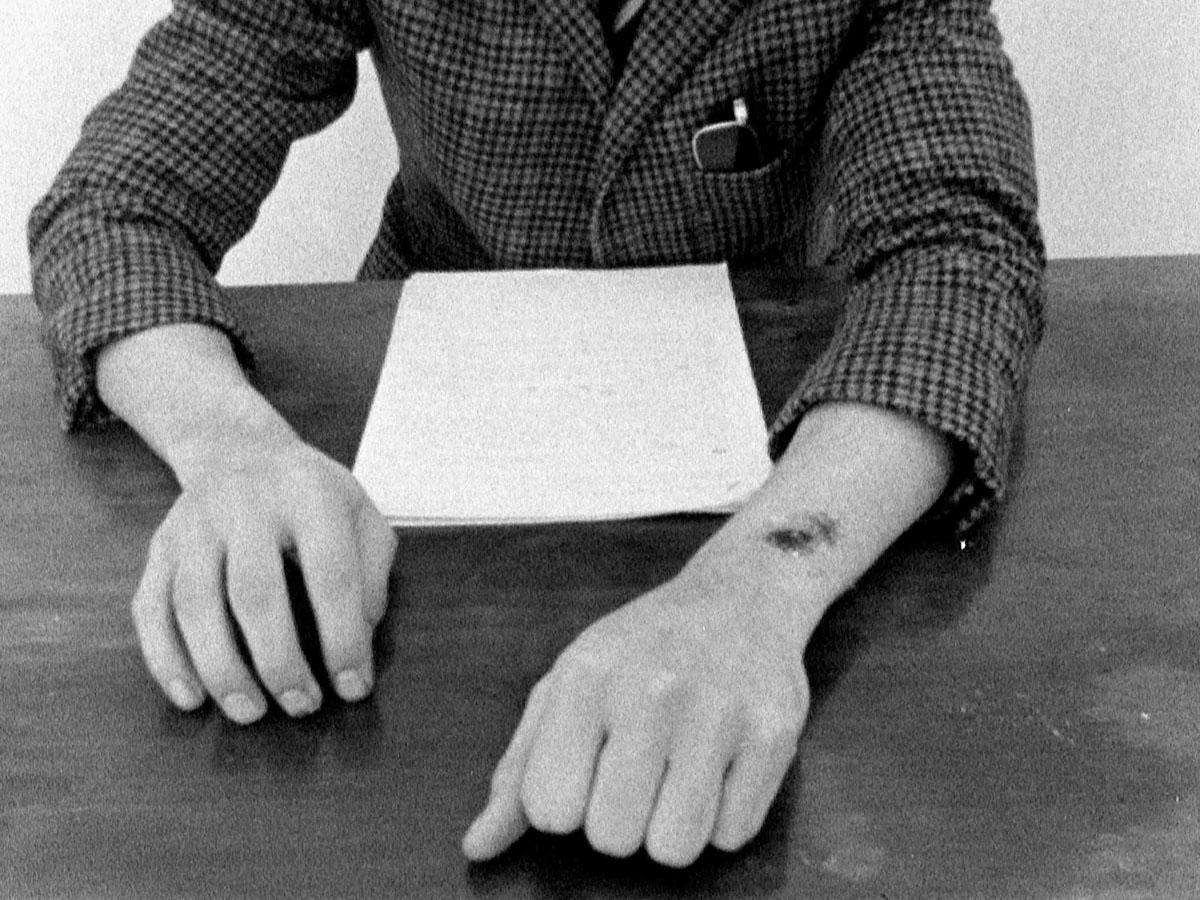
A pristine white bathroom soon becomes a site of crimson-stained shaving carnage in Martin Scorsese’s daring student film, a potent and disturbing allegory for the horrors of the Vietnam War. What starts out as a pleasant morning soon goes horribly wrong, turning into a bloody spectacle of self-mutilation.
After the revolution in 1979, Iran prohibited the depiction on the silver screen of men and women touching. Since then, directors have relied on every cinematic trick in the book to mirror ecstatic tension. Nazarbazi collages these intense cinematic moments into a poem about love and desire.
Letters from a Palestinian woman living in war-torn Lebanon to her daughter, whom she has not seen for years, and a series of photographs convey the effects of war and exile on their personal and cultural life, with a nuanced look at family relationships.
In this short animated film by Wallace and Gromit creator Nick Park, various zoo animals are interviewed about their living conditions. The film points to issues regarding the living conditions of wild animals, but succeeds in doing so with a lot of humour.
Jean-Marie Straub and Danièle Huillet’s first major film introduced their grippingly sparse, elliptical style to international audiences. Not Reconciled brought an intense sense of the present to this narrative of three architects reckoning with their family’s traumatic wartime history.
Irani Bag is a split-screen video essay that questions the alleged innocence of handbags in post-revolutionary Iranian cinema. In doing so, Maryam Tafakory provides a robust political analysis of censorship and intimacy.