screening
Les têtes d’Ibiza
Visual artist Nicola L. was born in Morocco and worked in Paris, Brussels, New York, and Ibiza, where she developed a community-oriented artistic practice that occupied a unique place within the post-war avant-garde. From the late 1960s onwards, she created a distinct body of work comprising soft sculptures, immersive environments, and participatory performances in which touch and collective experience became central artistic principles.
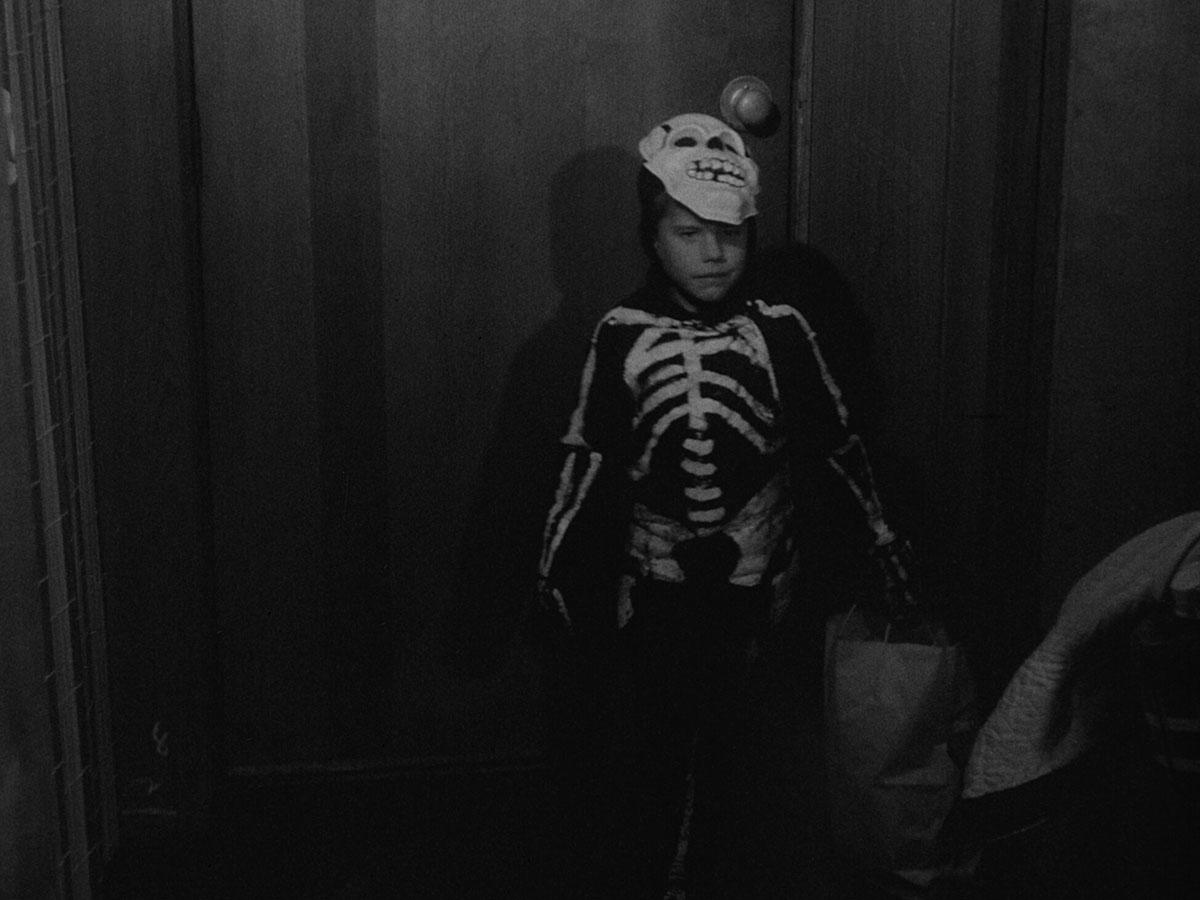
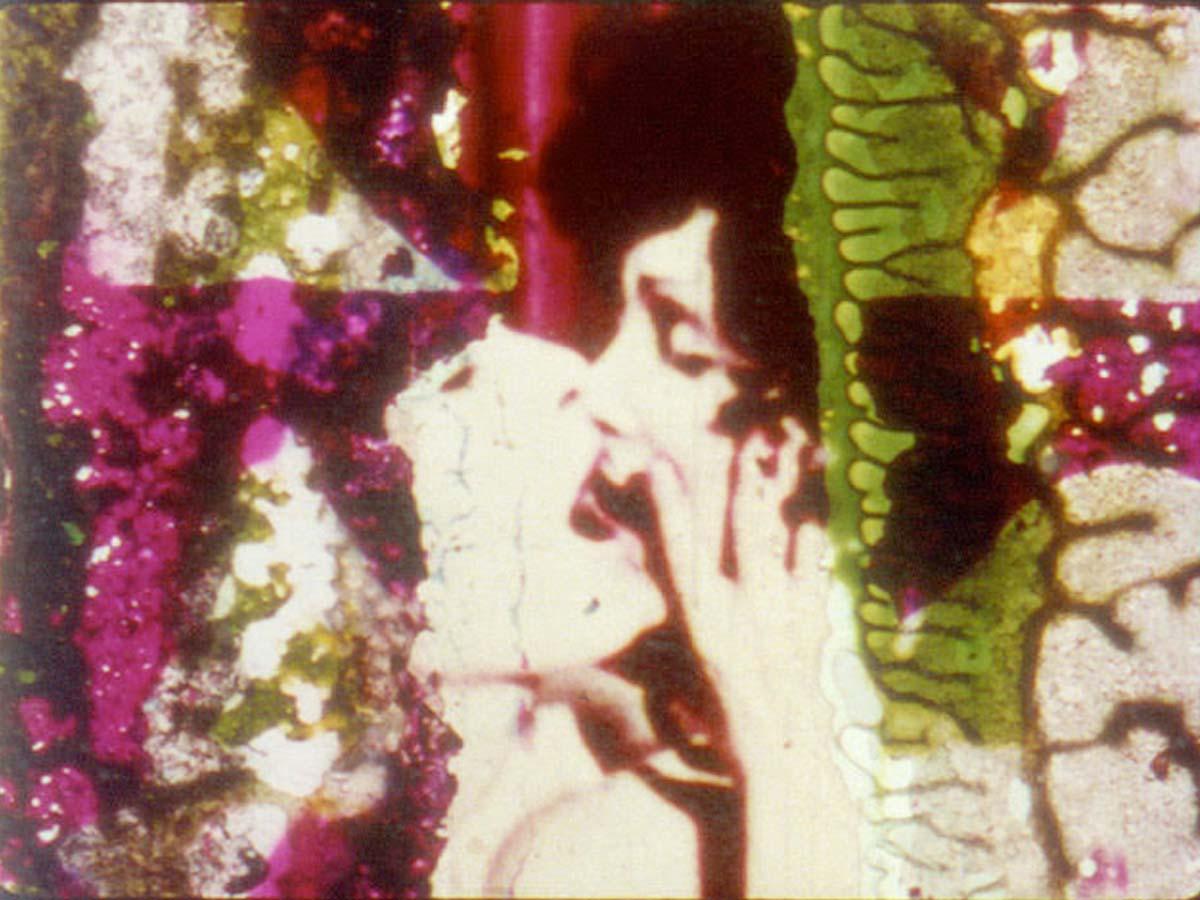
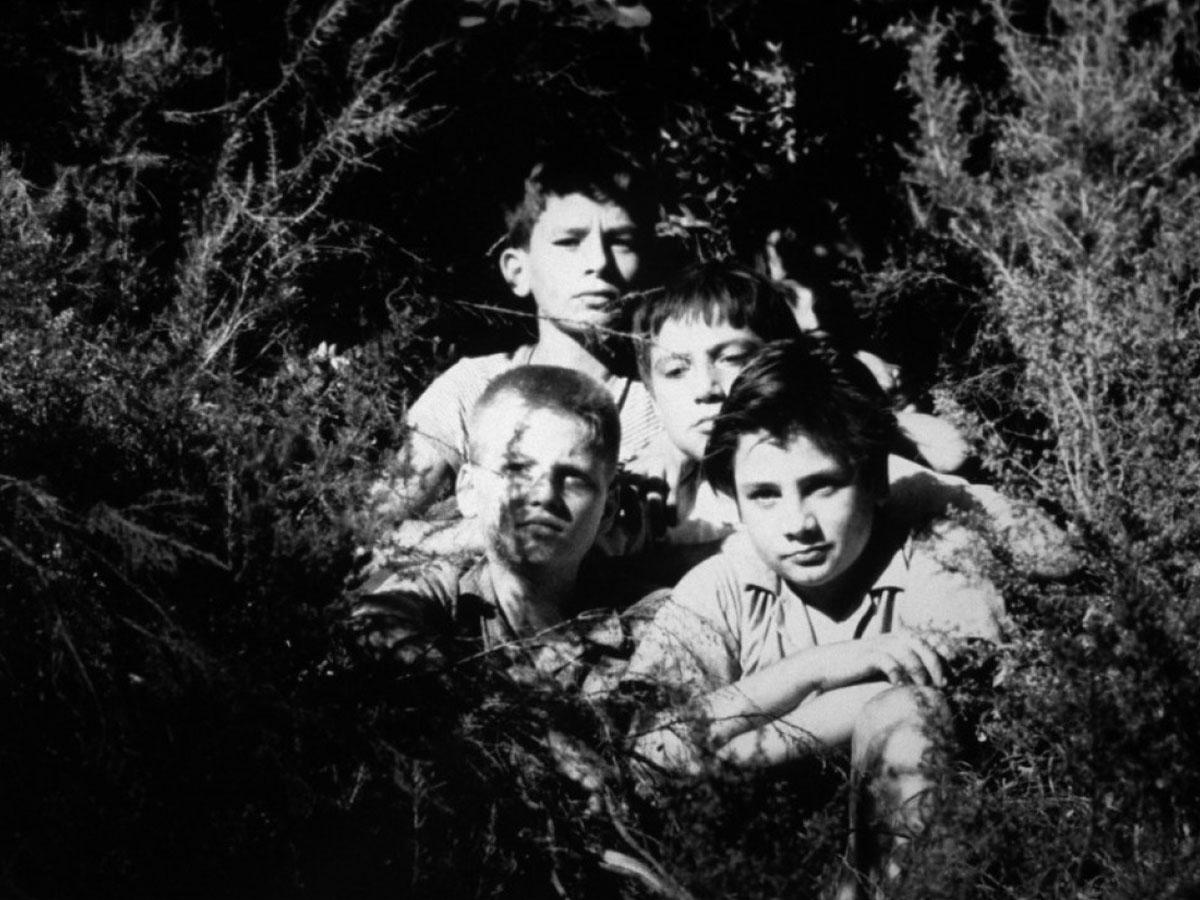
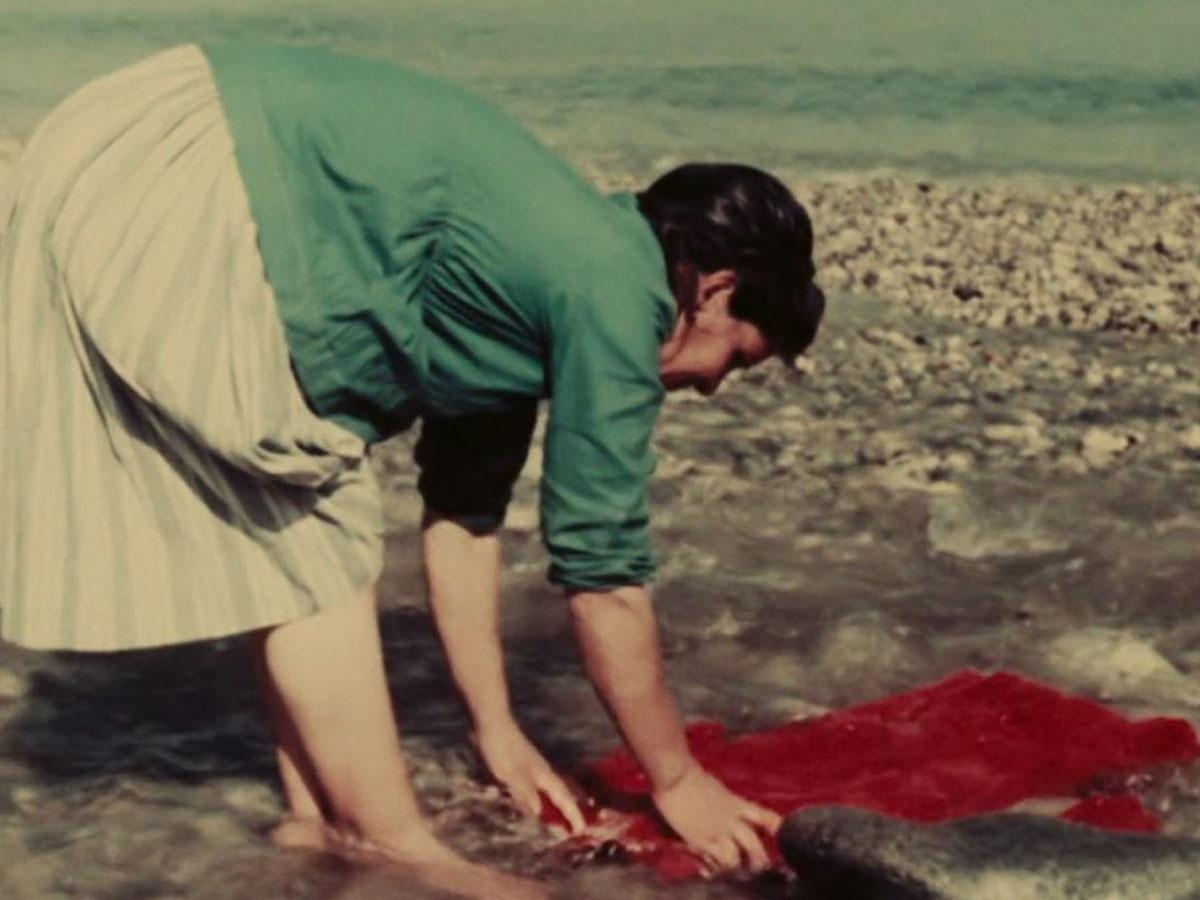
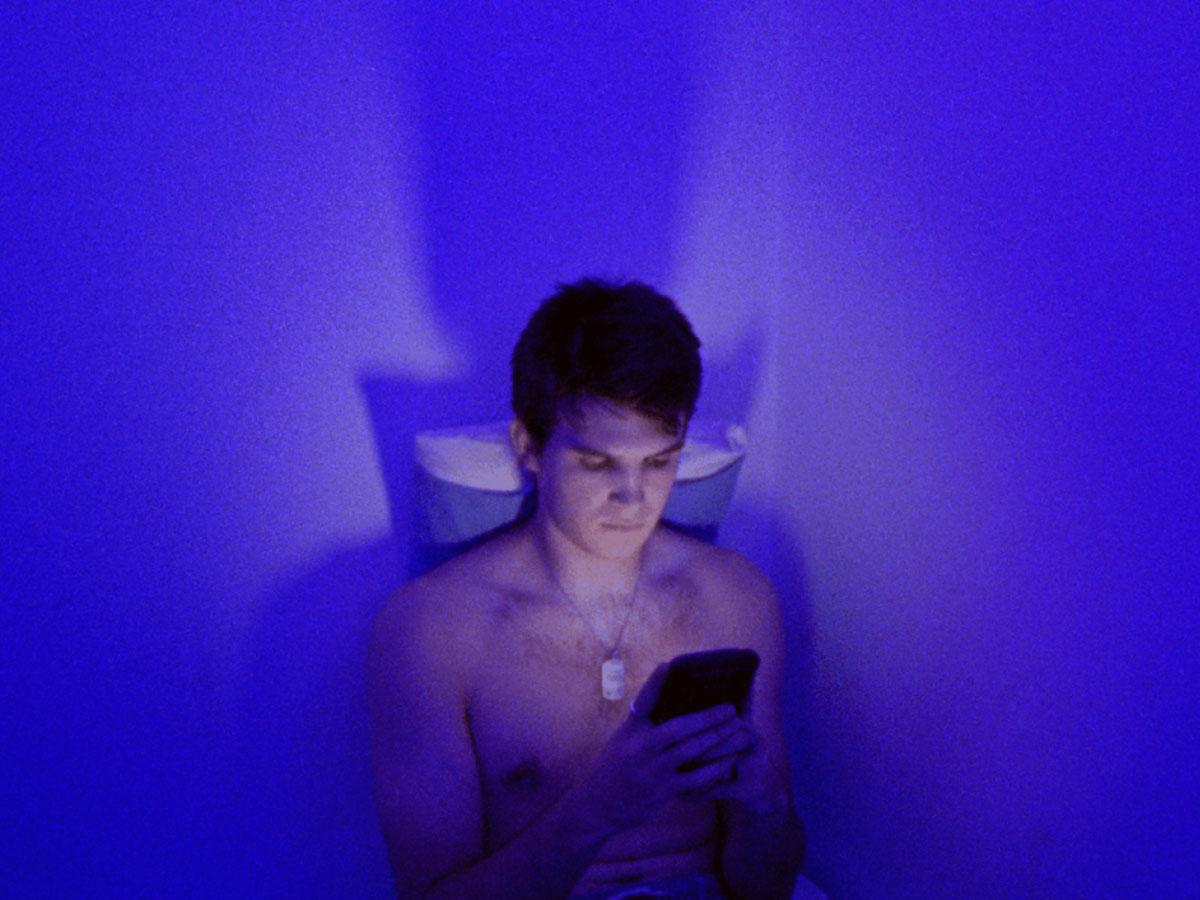
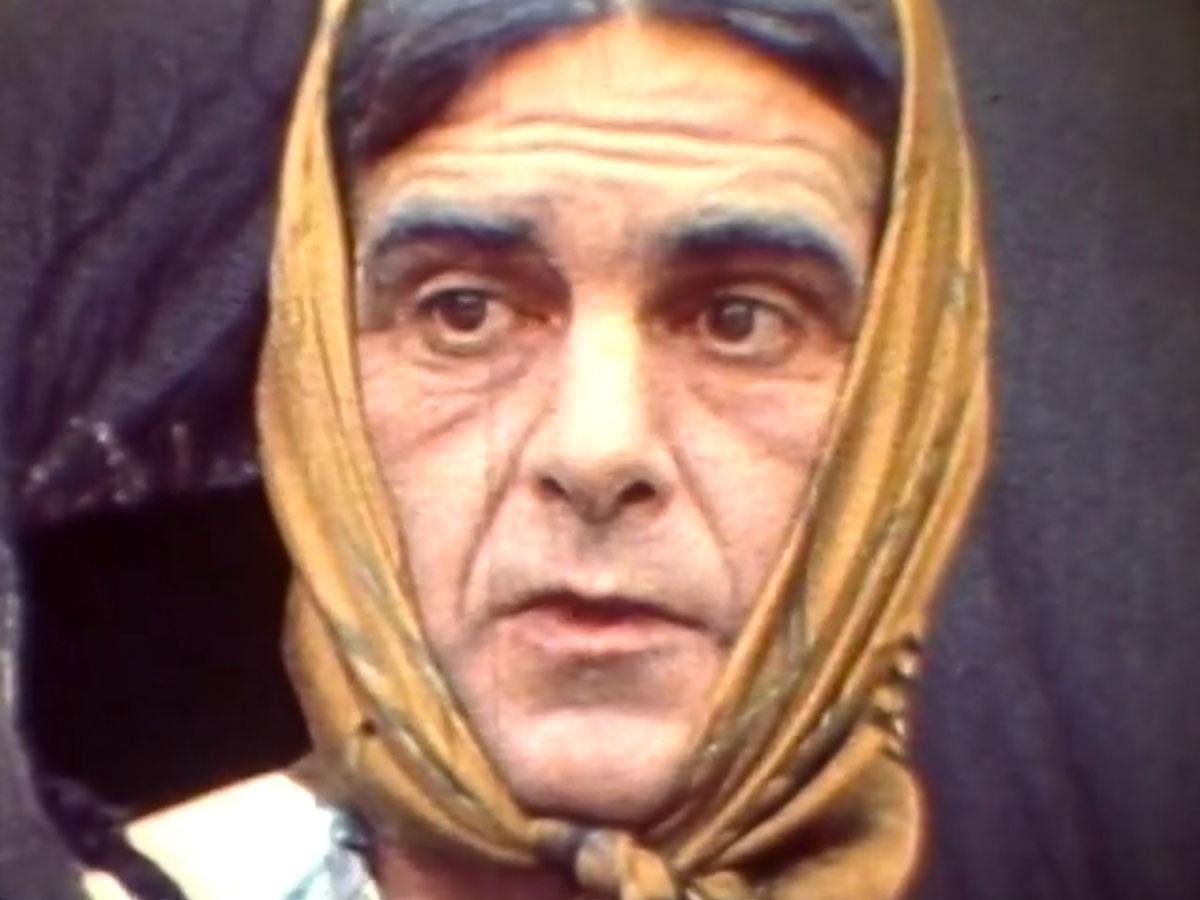
Immersed in the community of artists and local residents on the island, Nicola L. approached Ibiza as a living landscape, shaped by mythology and shared experiences. In the film Les têtes d’Ibiza, fiction, performance, and documentary observation flow seamlessly into one another, transforming the island into a place of freedom, imagination, and collective expression. She produced this work during her time in Ibiza in the 1960s and 1970s.
There, Nicola L. became fascinated by two headless statues at the entrance to the old town. At first, she thought they had been damaged by time or invasions, but later she climbed a ladder to examine them closely: “I realise that there is no break but that the cut at the bottom of the neck is very smooth… and lets glimpse inside a hole that seems to wait for the impaling of a head.” From that observation, she developed a fictional investigation into the missing heads.
Given Ibiza’s history of successive rulers, the heads might have been detachable and interchangeable. It seems that they were golden and buried somewhere in the island, Nicola L. writes in her memoir. That idea forms the starting point for a broader narrative structure in which imagination and oral history intertwine. She constructs a series of imagined interviews with island inhabitants using the mystery as a way to map the social and cultural landscape of Ibiza in the 1970s, before mass tourism fully transformed it.
The screening of Les têtes d’Ibiza is part of Ibiza Bodies: Summer Films of Nicola L., the second edition of VIDEO/TAKE, a programme line in which M HKA and De Cinema focus on the moving image in all its diverse forms: video works, music videos, video art, video installations, digital experiments, and other screen-based practices. VIDEO/TAKE highlights how these different visual languages transform when transferred to the cinema auditorium, where they can be experienced differently: expanded, amplified, and collectively shared within the cinema space.
This edition of VIDEO/TAKE runs concurrently with the exhibition Nicola L.: When the Earth Turned the Other Way (June 25–October 11, 2026) at M HKA, which situates her work within a broader constellation of performance, feminist experimentation, and collaborative visual production.