
Subscribe for €30 and get one-year access to the 90+ films in our streaming library. This supports not only our magazine but also the filmmakers we represent.
Otolith 1
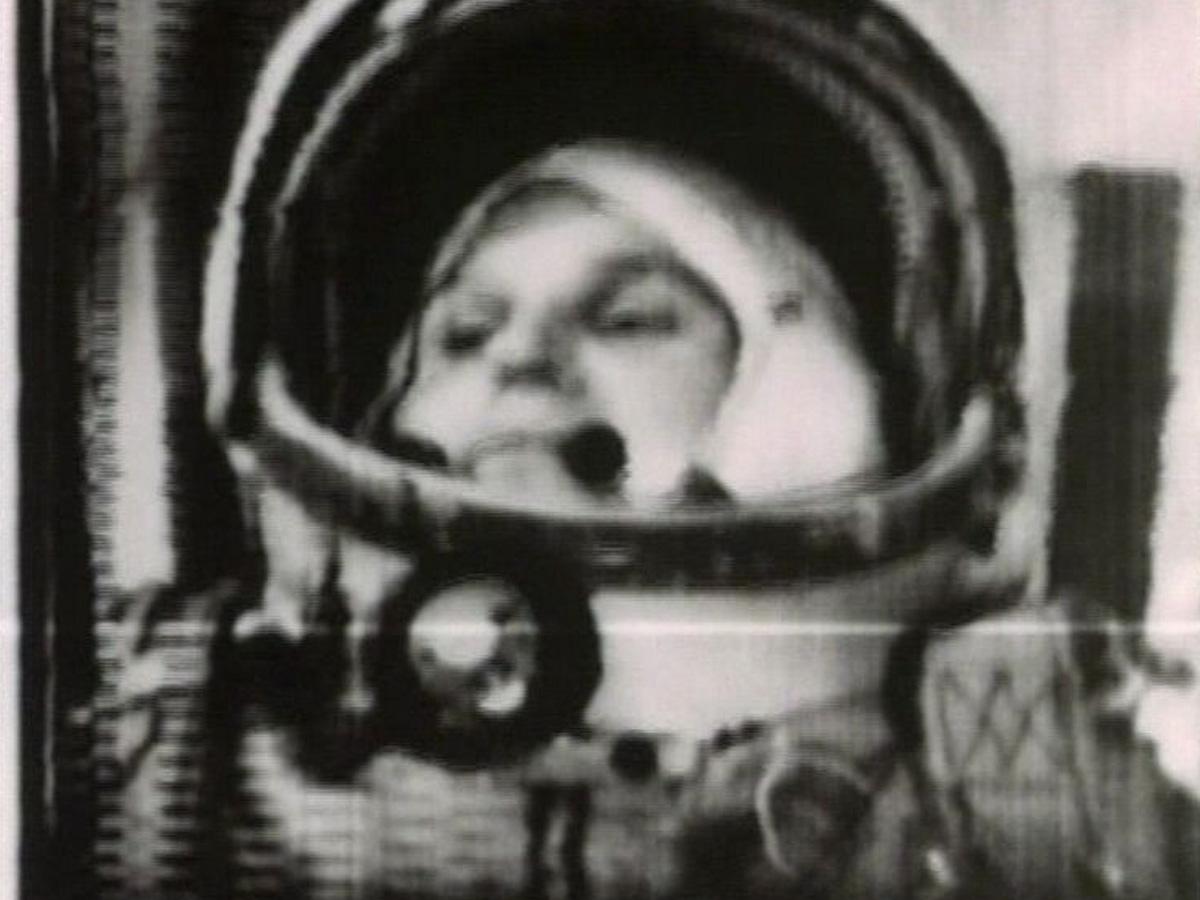
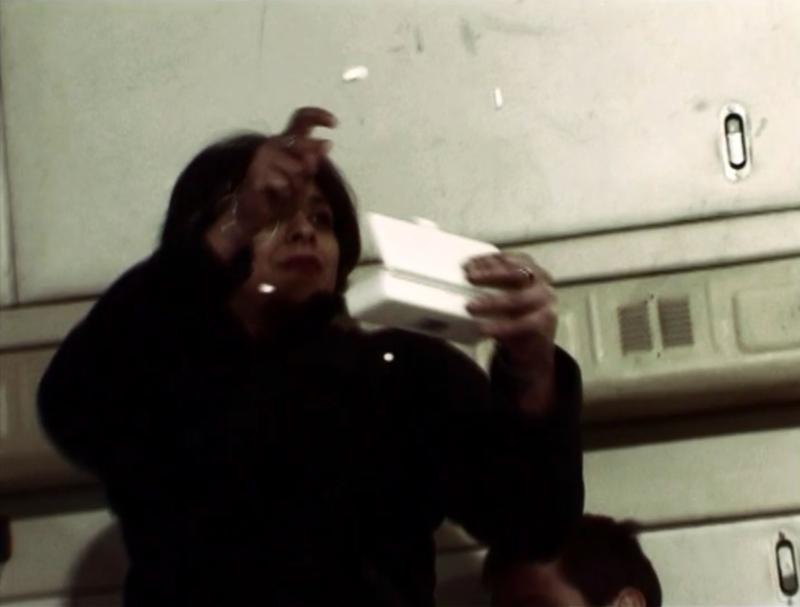
In 1963, the Russian Valentina Teresjkova became the first woman to orbit around the Earth. After her space flight, she became an icon for global feminism, and in India she shook hands with the feminist Anasuya Gyan-Chand. Historical events like this were the starting point for the cinematic essay Otolith I, made by The Otolith Group in 2003. Set in the year 2103 and in outer space, a character looks back on women of previous generations, including Gyan-Chand, Anjalika Sagar (the narrator of the film), and her grandmother.
In this fictitious 22nd century, emancipatory thinking like feminism and socialism gains new relevance. Temporal shifts between such ideals from the recent past, autobiographical elements and a fictitious future recall Chris Marker’s films Sans soleil (1983) and La Jetée (1962). The science-fiction in Otolith I induces a certain melancholy about worlds that are (or will be) behind us or that have not (yet) been realised.
Key metaphors in Otolith I include the title of the film—the otolith is the part of our middle ear that provides us with the ability to maintain our balance—and the phenomenon of ’micro-gravity’, which occurs when a body or object is in free-fall. Because the narrator was born in outer space, micro-gravity is the only form of gravity she knows, and her otoliths do not work. As she will never be able to return to Earth, the future in which she is living embodies the actual meaning of the term utopia ('no place'). In Otolith I, her weightless existence also functions as a metaphor for a renewed optimism.