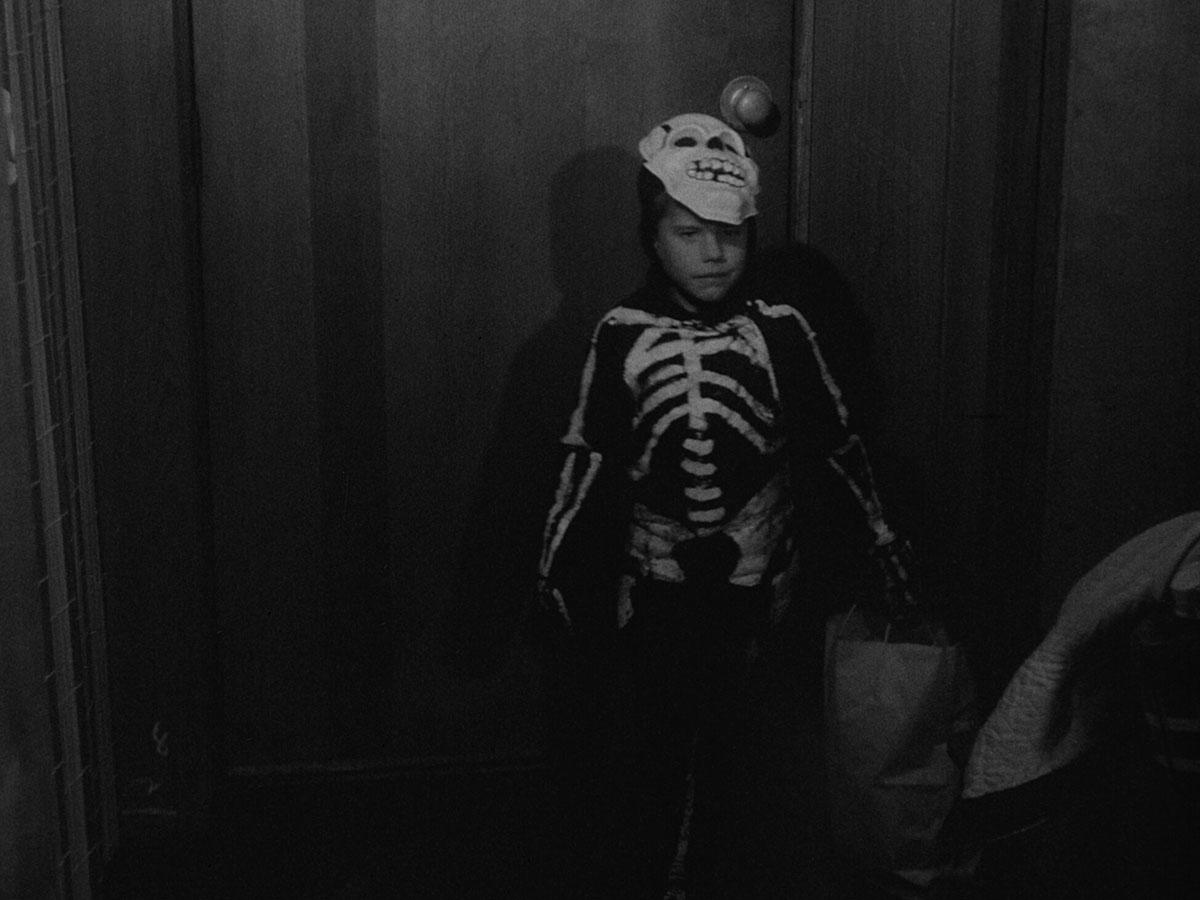
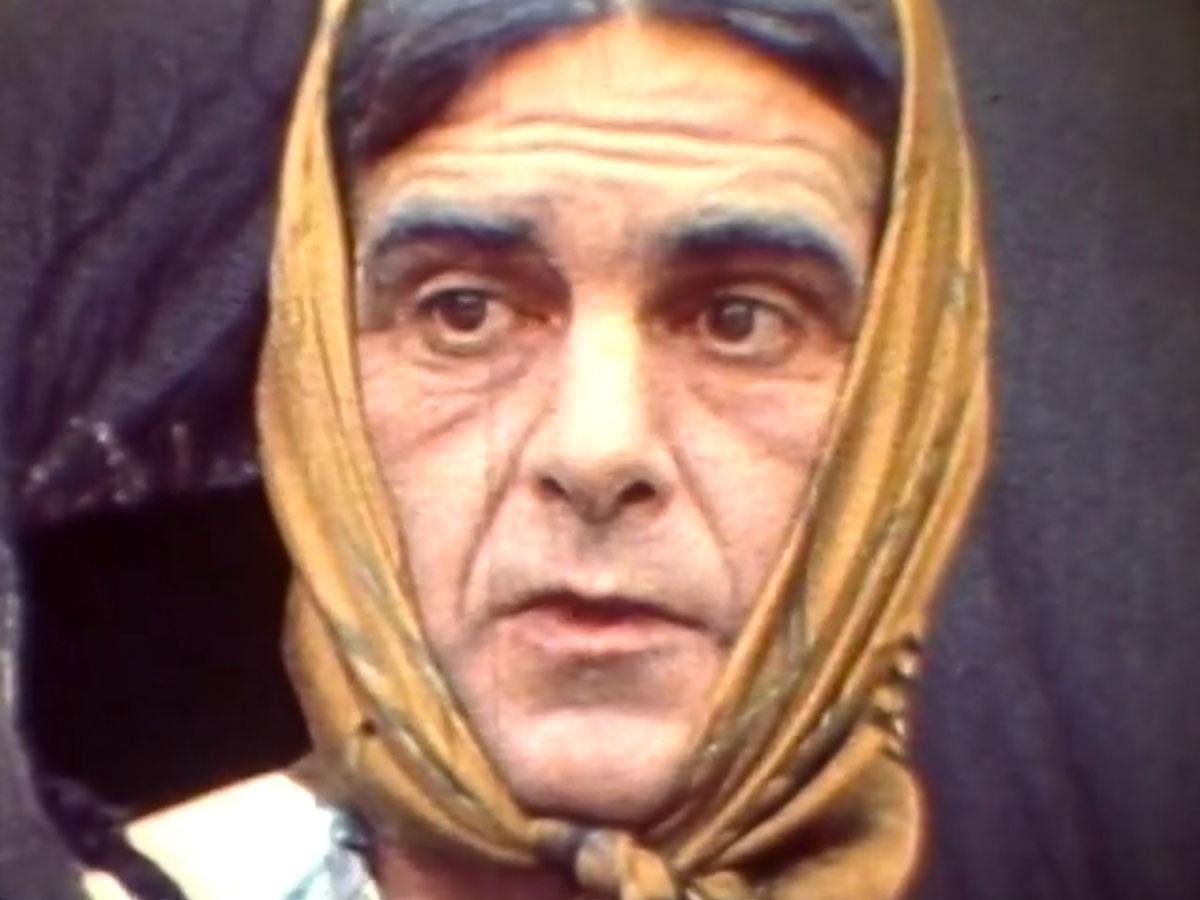
A young lad dresses up for an annual round of trick-or-treating with his school friends in this 1960 public service announcement. However, their night’s haul won’t benefit themselves.
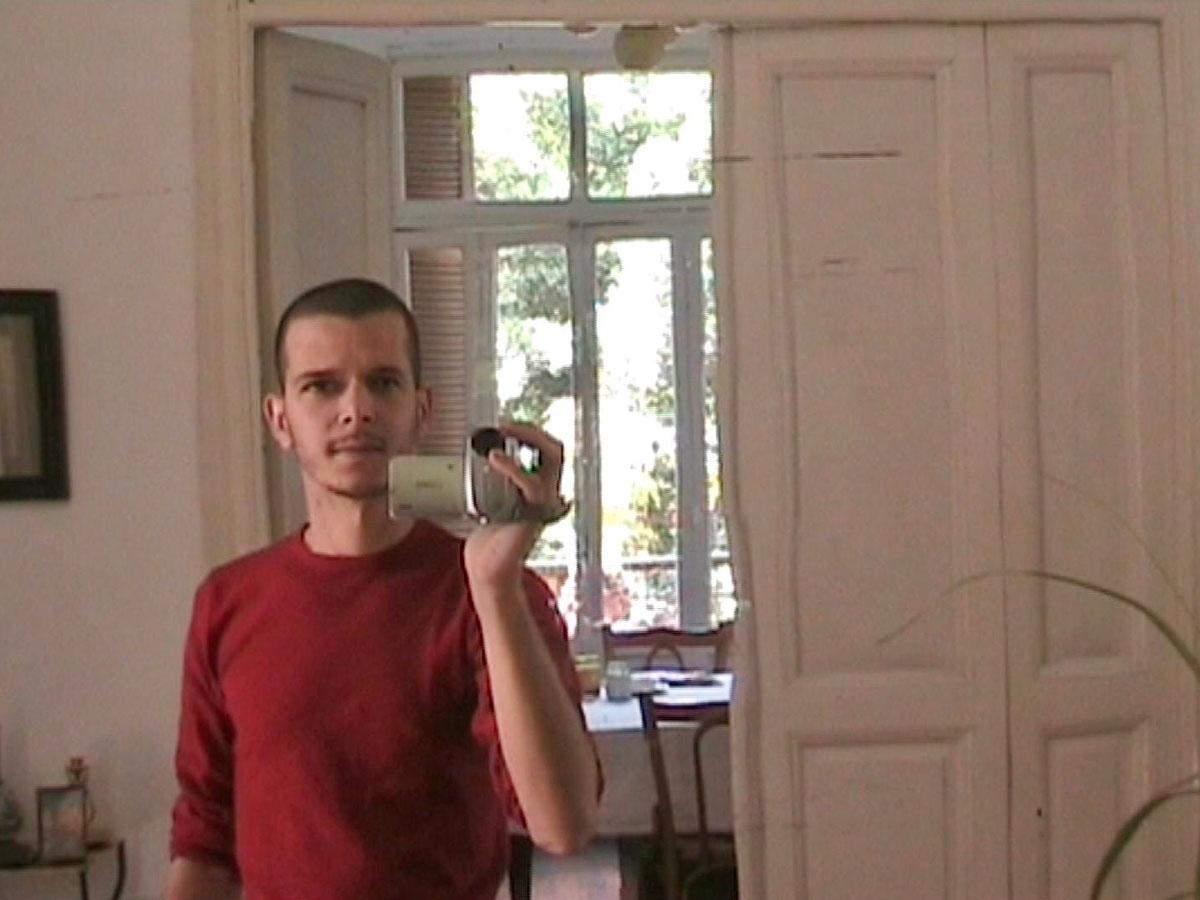
Moroccan writer and filmmaker Abdellah Taïa wanders through Cairo. His impatient handycam scans the Egyptian city. Eighteen years later, Taïa looks back on the memories he and his lost love shared there.
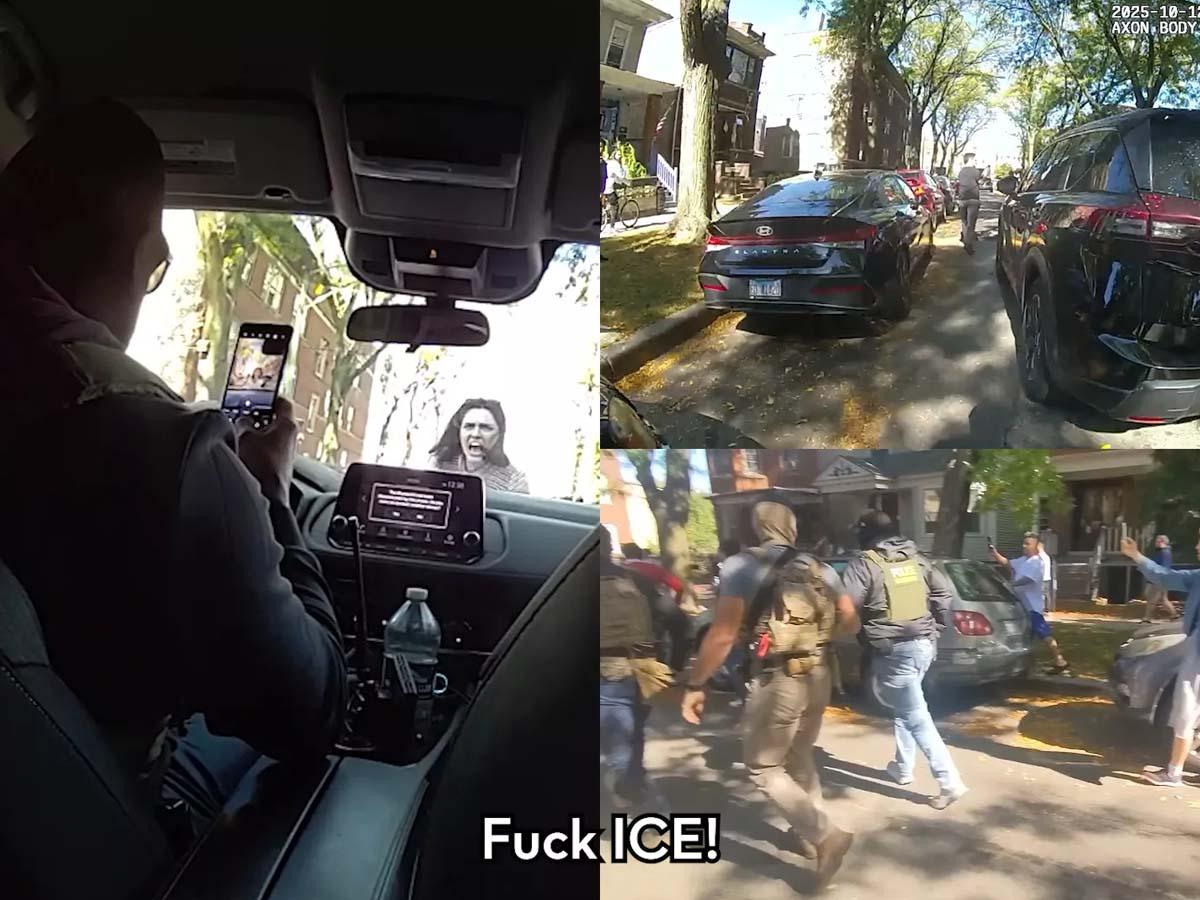
In Sawyer Avenue, Sunday Afternoon, Bill Morrison presents a chronology of an ICE raid and the civil resistance that follows it. A found-footage collage of mobile phone and bodycam footage.
Charel, a bored, balding man in his fifties, still lives with his mother. The clumsy bachelor sees in her pet—a bass in a fishbowl that is far too small—the grandchild he never could give her.
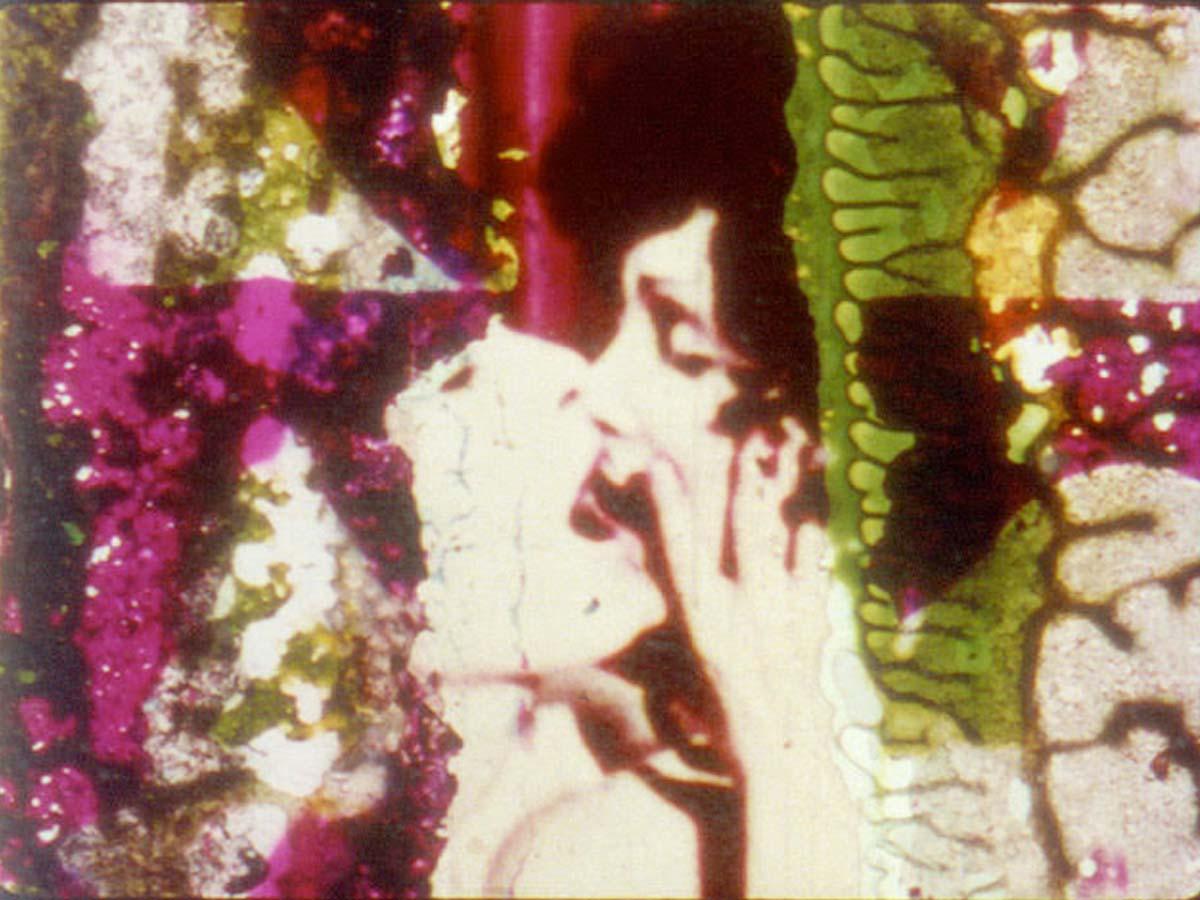
According to Peggy Ahwesh, there is beauty and ecstasy in decay. With her 16mm blow-up of a pornographic Super 8 film, the American artist seeks sensuality.
A series of cameo portraits of Barbara Hammer’s friends and lovers intercut with a playful celebration of fruits and vegetables in nature. The culminating footage evokes a tantric painting of sustained sexuality.
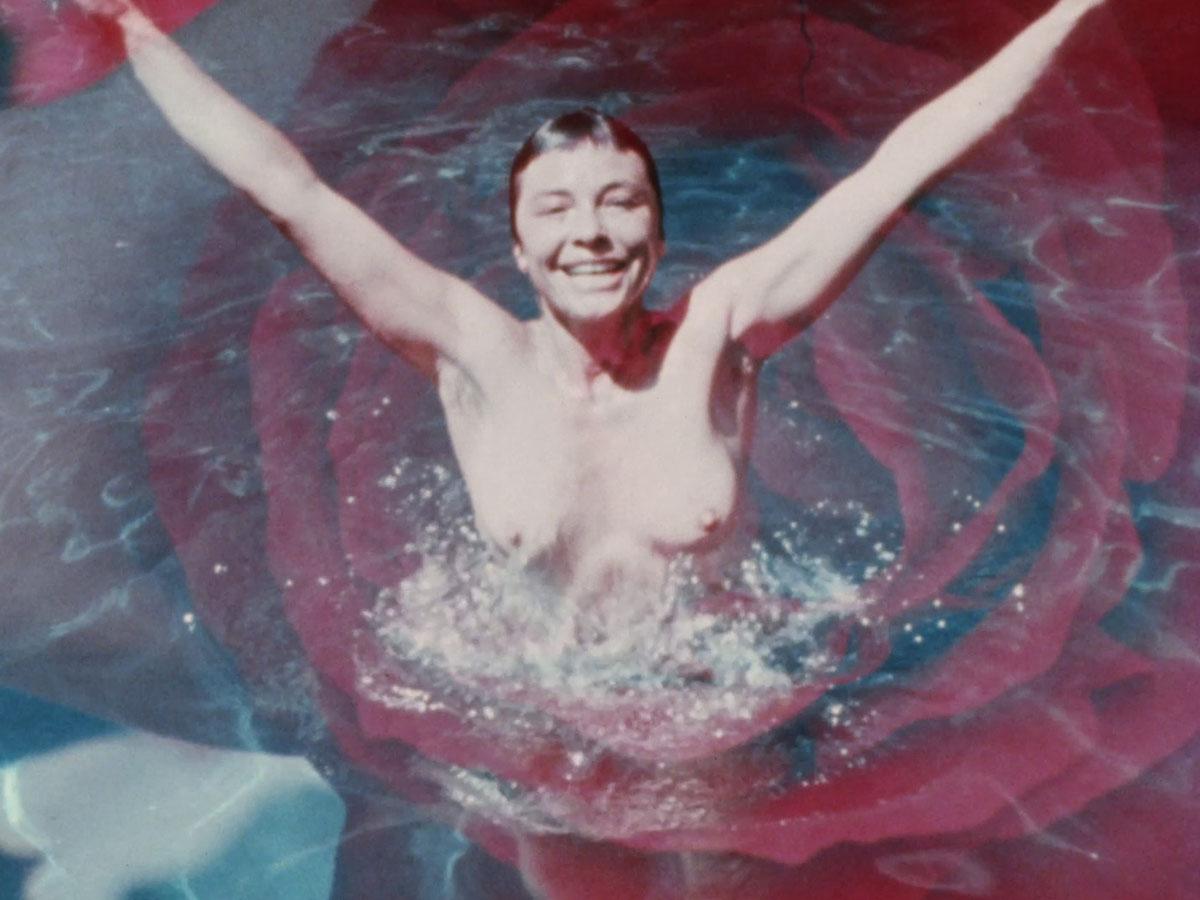
Using the sixth century B.C. lyricist’s poetry, a group of women unwrap the papyrus gauze of the lesbian goddess and bring her to life. Made by Barbara and six students at the Women’s Building in Los Angeles.
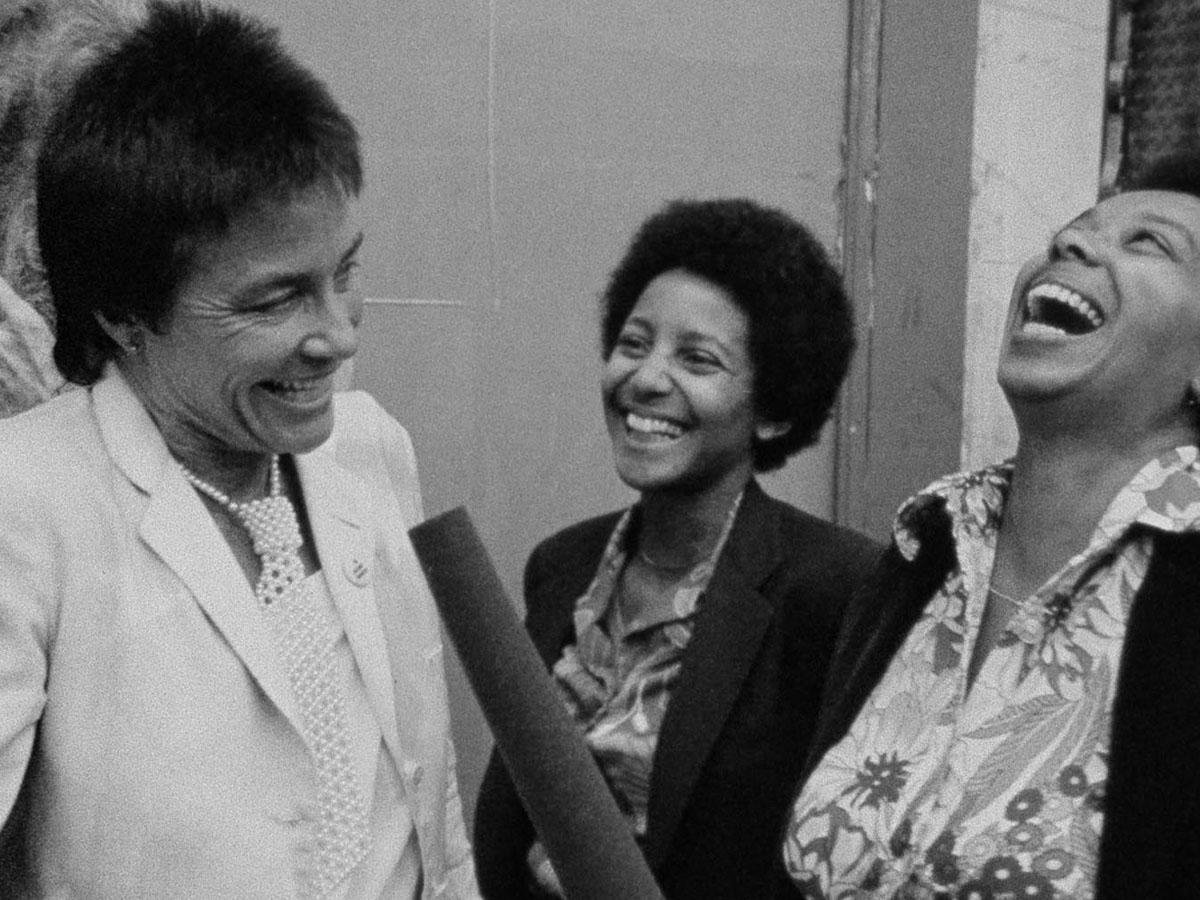
Barbara Hammer takes out her camera to film audiences at screenings of her films. She wanted to show the diversity in a women’s audience: the sophistication, the thoughtfulness, the fun-loving spirit, the flirtations, the detailed, the subtle.
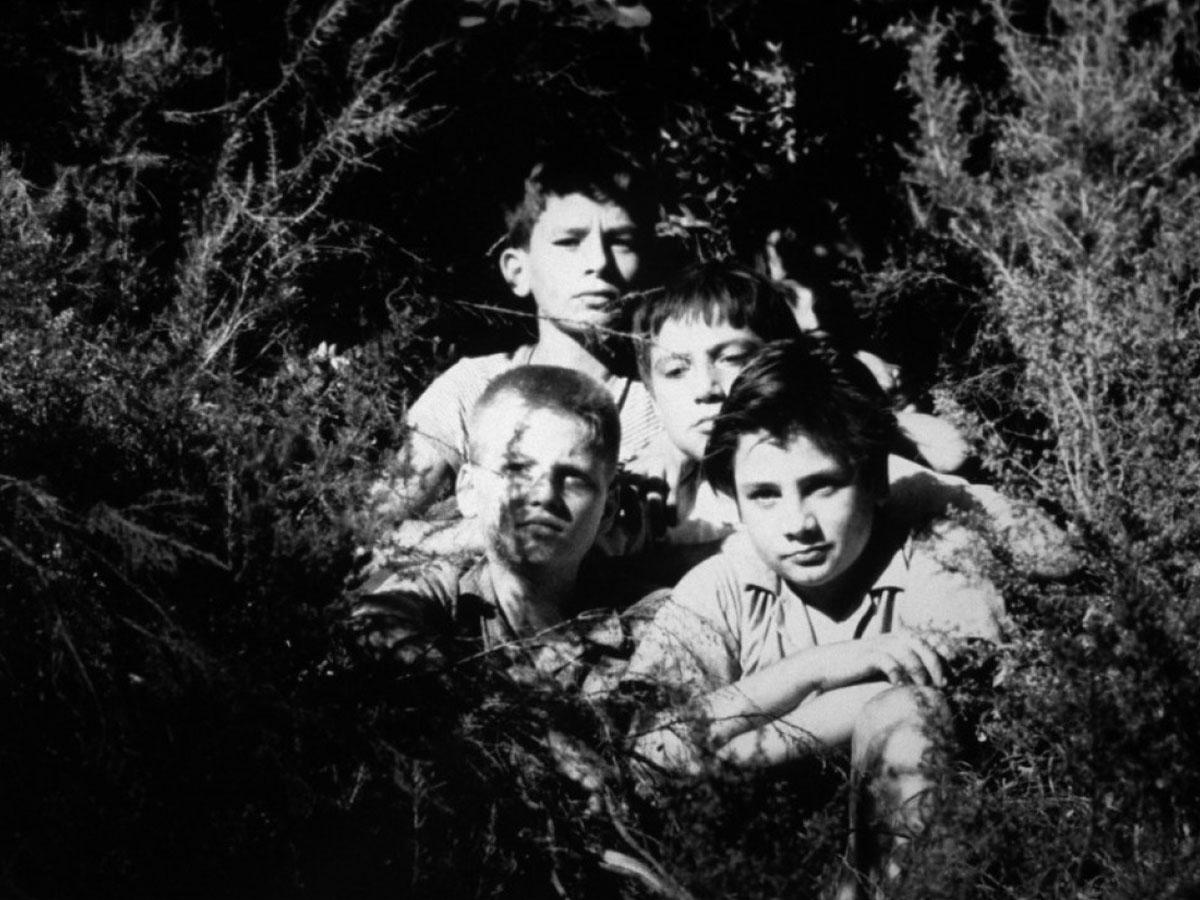
In François Truffaut’s debut film, the beautiful Bernadette cycles over the bridges and through the scrublands of Nîmes. Wherever she goes, five mistons (local slang for brats) are hot on her heels. They see her as the embodiment of their budding, prepubescent desires.
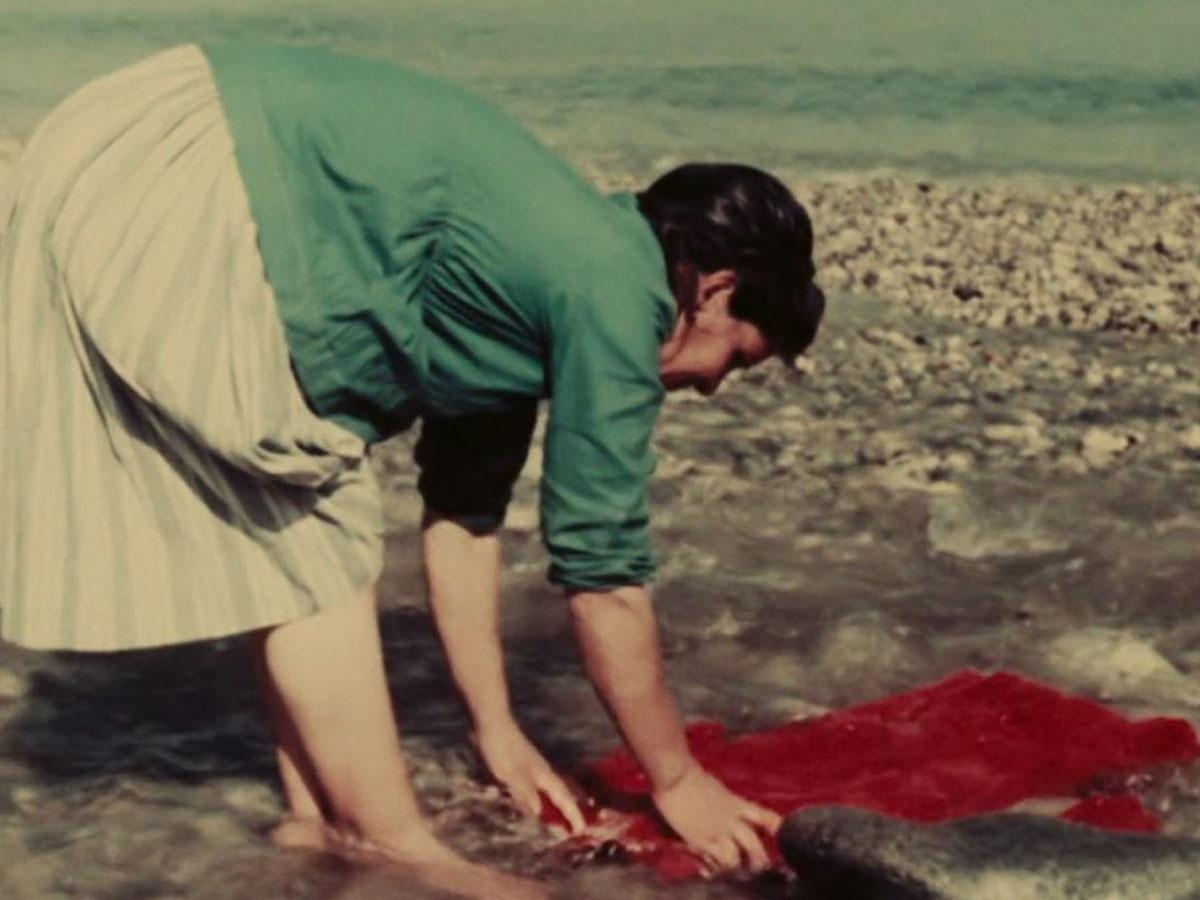
Two small wooden boats sail across the Strait of Messina. Beneath the water’s surface, swordfish swim towards them. They are right on time for the breeding season but unaware of the throwing spear that awaits them. Women wash clothes on the banks and sing traditional work songs.
This found footage collage reveals eerie similarities that unambiguously lay bare a pattern: boundaries are being crossed in the relationship between humans and animals.
By making its central character ever-changing, Tukuleur attempts to show how our gaze influences the interpretation of different bodies in different contexts. The film shows the consequences of these gazes and their linked representations for the personal growth of the character.
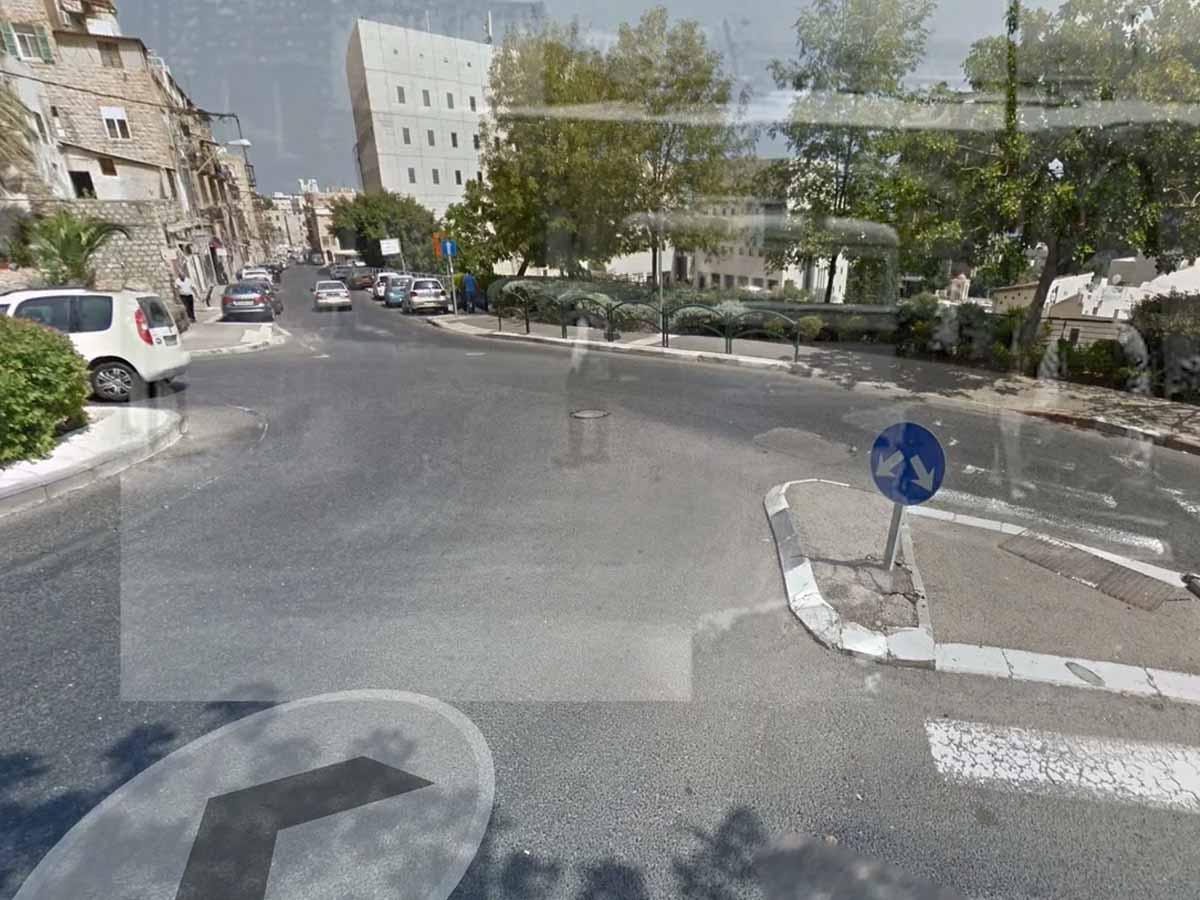
Een Palestijnse grootmoeder keert terug naar haar geboortestad Haifa, waar ze het landschap verkent op de enige mogelijke manier: als een digitale geest via Google Street View.
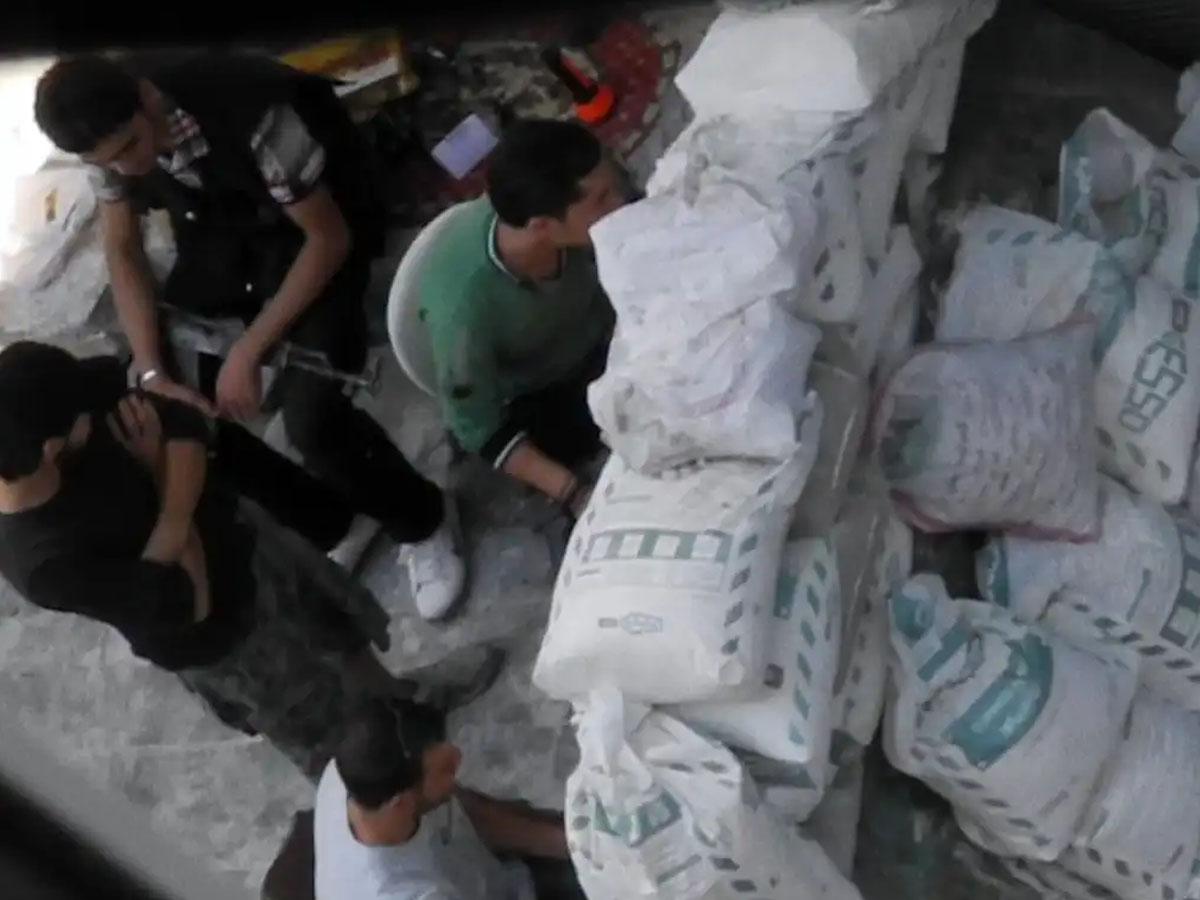
One morning in August 2012, renowned Syrian photographer Issa Touma saw young men lugging sandbags into his street. It turned out to be the start of the Syrian uprising in Aleppo.
September 13, 1993: Yasser Arafat, Yitzhak Rabin and Bill Clinton’s handshake on the lawn of the White House after signing the Oslo Accords. A historic moment, repeated 20 times.
How do you abstract the death of a loved one? What texture do you give it? What colour? After the loss of his father, LUCA alumnus Brecht De Cock sculpted a transmedial response to these impossible questions.
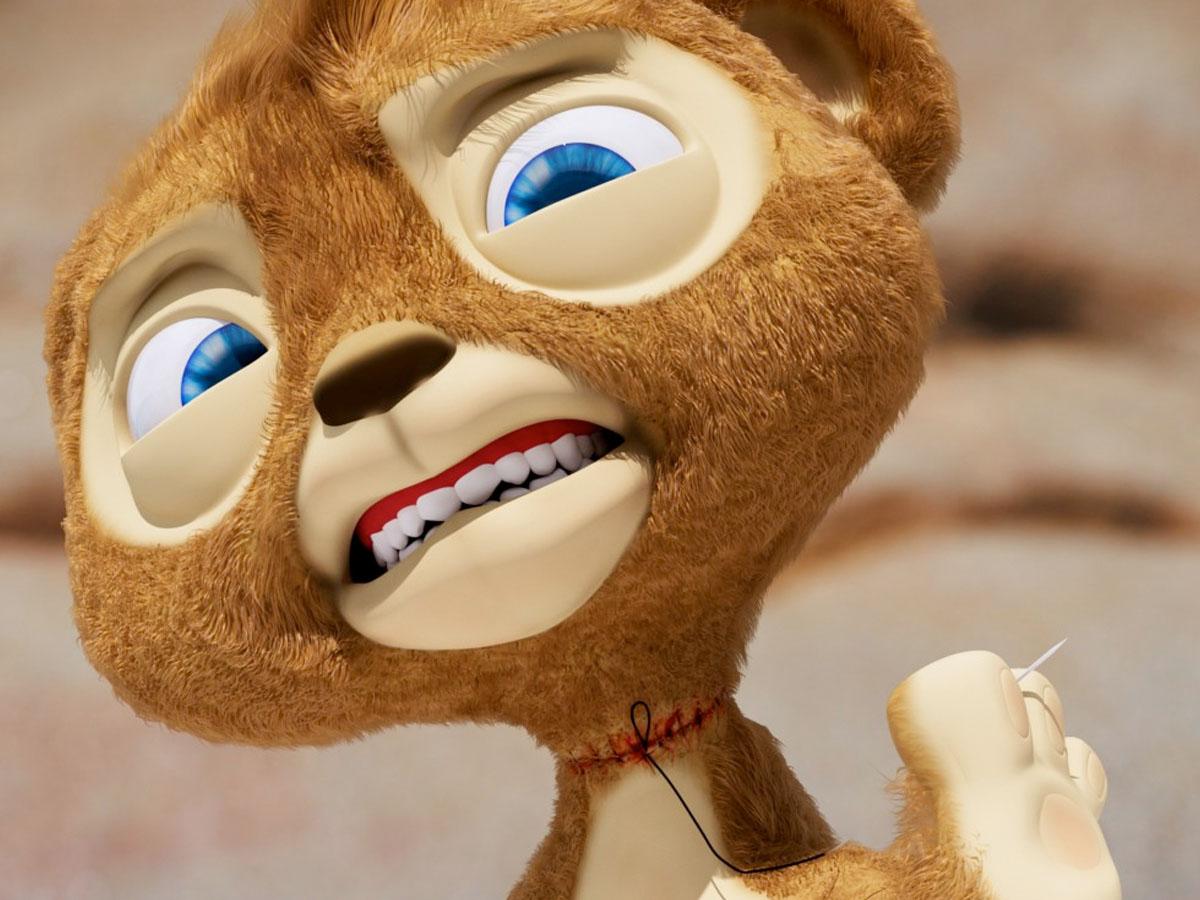
In this hybrid 3D animated film, a pseudo-intellectual menagerie reflects on the contemporary political landscape on the other side of the Corsican Sea through dry wit and Disney fonts.
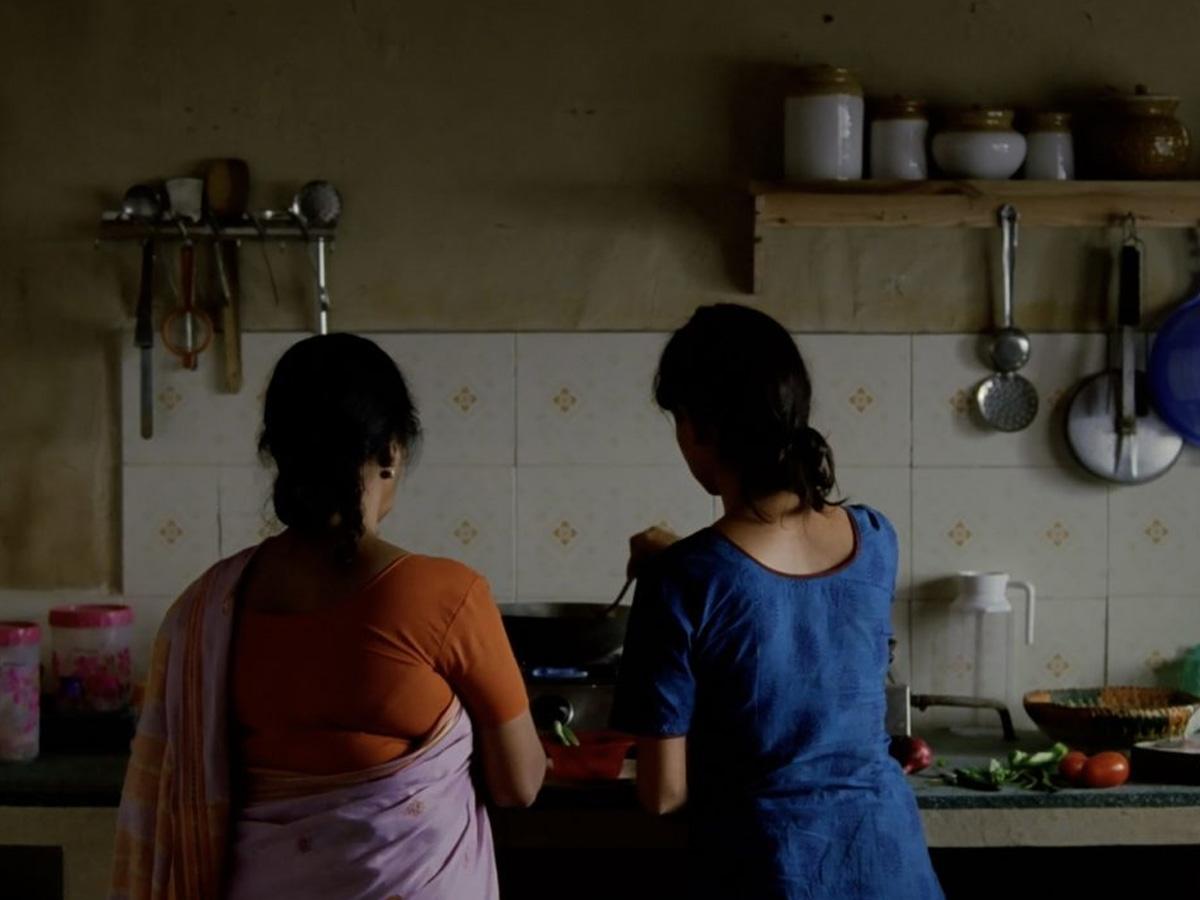
Kaki is a 60-year-old widow who lives with her Nepali maid, Malti. The film takes place on one afternoon in their house, where a flower blossoms on the balcony.
Shellie Fleming deconstructs Sylvia Plath’s Tulips and creates new word combinations that transform the poem. The poetry can be heard, seen, and felt in Devotio Moderna, which becomes a highly tangible experience.
A journey to the underworld begins within our own entrails. This film explores the intimate rhythm of digestion only to next investigate the becoming of geological eras, inspired by Gamaliel Churata’s El Pez de Oro, in which he states, “we all carry the dead alive; that the dead live.”
On a hot summer day, five teenagers go to a river to cool off. They swim, they sleep, they eat snacks and ice cream. As music and dialogue are missing, everyday sounds attract attention: bicycles riding on gravel, feet gliding through water, gasps and splutters.
This video diary depicts a young woman’s flat, the fears and fantasies about her body plainly revealed as she wakes up with a bloated face, full of self-loathing after a night of compulsive over-eating.
After twenty years of silence, filmmaker Olga Lucovnicova returns to her great-grandparents’ home, where she endured traumatic experiences that left a lasting impression on her memory.
Immersed in the community of artists and local residents on the island, Nicola L. approached Ibiza as a living landscape, shaped by mythology and shared experiences. In Les têtes d’Ibiza, fiction and documentary flow seamlessly into one another.
Pol Gasco Robles is enchanted by the golden mountains that tech capitalists and crypto bros promise him online. Material luxury is not a by-product of success, but a goal in itself. Gala Hernández Lópezasks him critical questions.
Obtaining official documents is a symbol of coveted freedom and security for migrants. But how do you navigate the administrative labyrinth? This film explores the relationship between identity, race, and European bureaucracy.
People are heading for a better place on either side of the ocean. Although their paths do cross at times, they never really seem to meet. Paradise is a light-hearted yet critical reflection on the ethics of tourism.
Artist Eva Giolo films her friends in their own homes and asks them to perform a few simple actions: gestures that reflect the fragile balance of everyday life, and, at times, become more aggressive. A cinematic poem in response to the global pandemic of 2020.
Three years after the publication of Marguerite Duras’ children’s book Ah! Ernesto, Jean-Marie Straub and Danièle Huillet pull the titular protagonist from its pages for an unconventional retelling of the short story.
Through a mix of stop motion and long takes, Vukica Đilas compiles an encyclopedia of the mundane, spanning almost thirty years and filled with memories of loved ones, travels, and sociopolitical sidelines. Her observations are like those of a child, awed by her surroundings and the details they reveal.
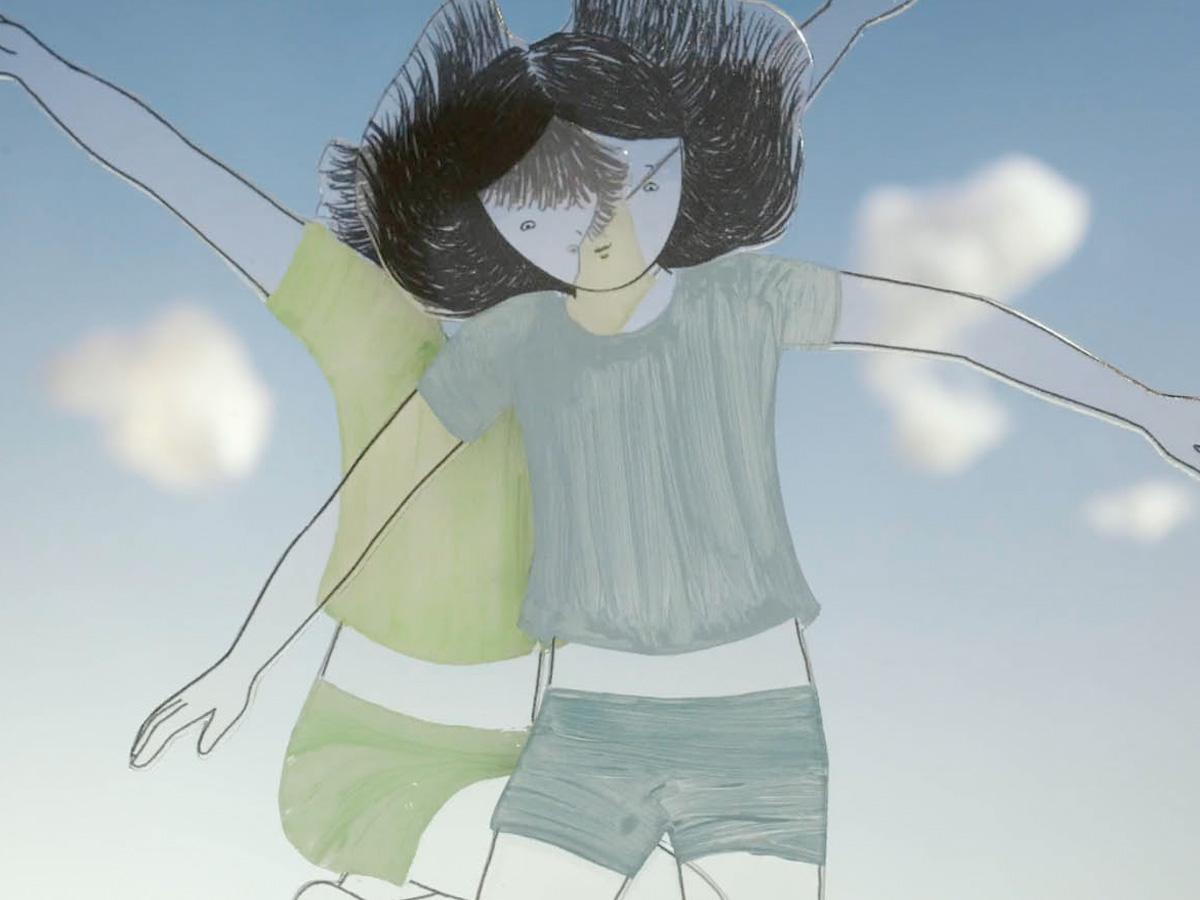
Inseparable best friends spend their last summer holiday of childhood amusing themselves around the house. As summer progresses, their bodies start to morph and shift, and an awkwardness descends on their friendship. Puberty seems determined to interrupt their bond.
By interweaving esoteric texts and images, Working Knowledge of Ritual underscores the interconnectedness of spirituality and nature. The film muses on our energies alongside the natural world, inspired by the writings of Leonard Jones.
The routines of two women fuse together over time. One is busy with her bread, the other with her memories. Their similar gestures, repeated again and again, slowly unfold the special bond that unites them.
The endearing observation Spaghetti Aza paints not only the portrait of a sleepy boy but also, indirectly, of two doting parents. A one-minute home movie by Ken Jacobs, a pioneer of the American avant-garde film of the 1960s and ’70s.
Rana Nazzal Hamadeh’s colourful, low-resolution imagery searches for indigenous plants, ravaged by settlement colonialism. More than a condemnation, Hamadeh’s docu-essay feels like a reappraisal of the (political) power that lies within crops like deerhorn and sumac.
In this fictional epistolary film, writer Marguerite Duras, a member of the French Resistance during the Second World War and partner to a Holocaust survivor, uses her titular alter ego to voice a deeply personal grief.
After managing to scrape together money to pay for an abortion, the director decides to celebrate with a party. In attendance are her geriatric ska musician neighbor, semi-retired gang affiliates, her gay roommate, and ever-present bedbugs.
Long still frames, text, and sound are woven together to unfold the narrative of an anonymous group that fills its time by plotting distances. Innocent measurements give way to political ones, examining how image and sound communicate history.
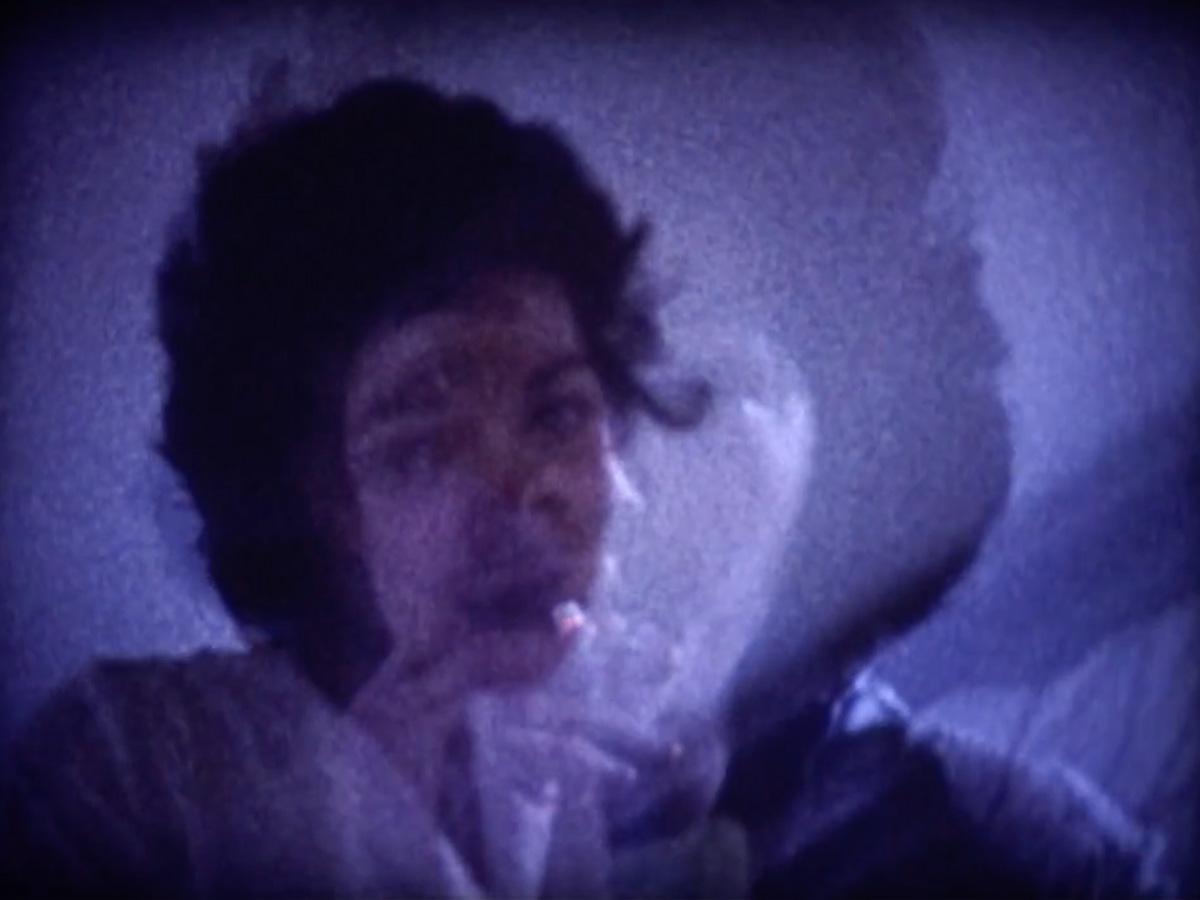
Through the lens of her father’s camcorder, she looks back on a period she can no longer remember. Twenty years after surviving childhood cancer, she searches for traces of illness between scars and desires.
Marthe Peters seeks in her beloved cat Henry something soft and tender to inhabit, a little fur to retreat into. Between bedsheets and freckles, a love declaration emerges. An ode to the intimate worlds where we learn to live and to rest.
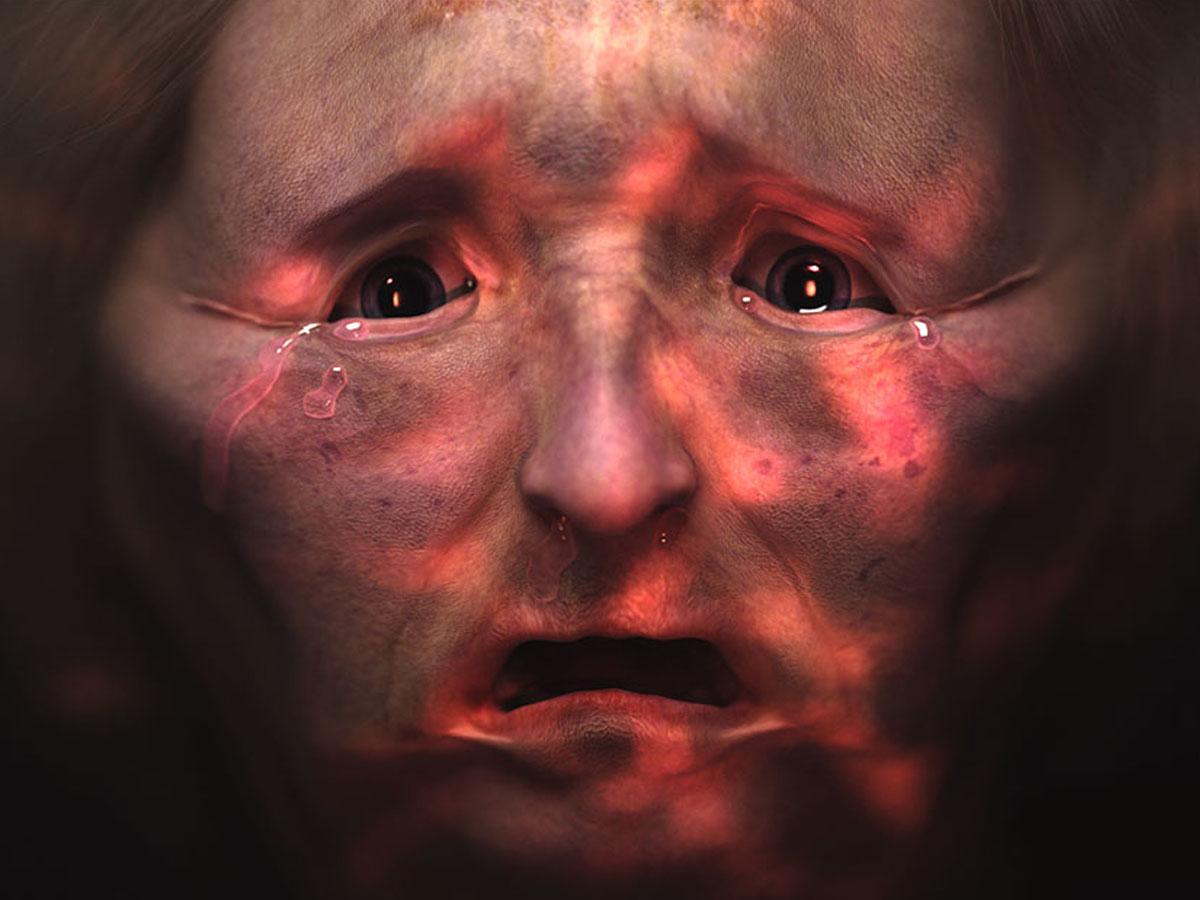
This experimental animated film delves into feelings of loss and helplessness, remnants of a traumatic experience. The emotional wounds are visually translated into a pulsating presence that embodies a dark and disturbing image of femininity.
A silent film of collaged and painted sequences of lovemaking between artist Carolee Schneemann and her then partner, composer James Tenney, observed by their cat, Kitch.
Eighty years later, Theo Panagopoulos sheds a bitter light on archival footage. The director builds a dystopian bridge between the harbinger of the Nakba in 1948 and today’s genocide. Where are the plants and the people now? Do they still colour the regions?
Martí arrives in Bilbao for an artistic residency. In his new room, his clothes occupy only a small portion of the enormous wardrobe. But when he meets someone, the wardrobe slowly begins to fill up. Where has the emptiness gone, the free space, the little corner that was his?
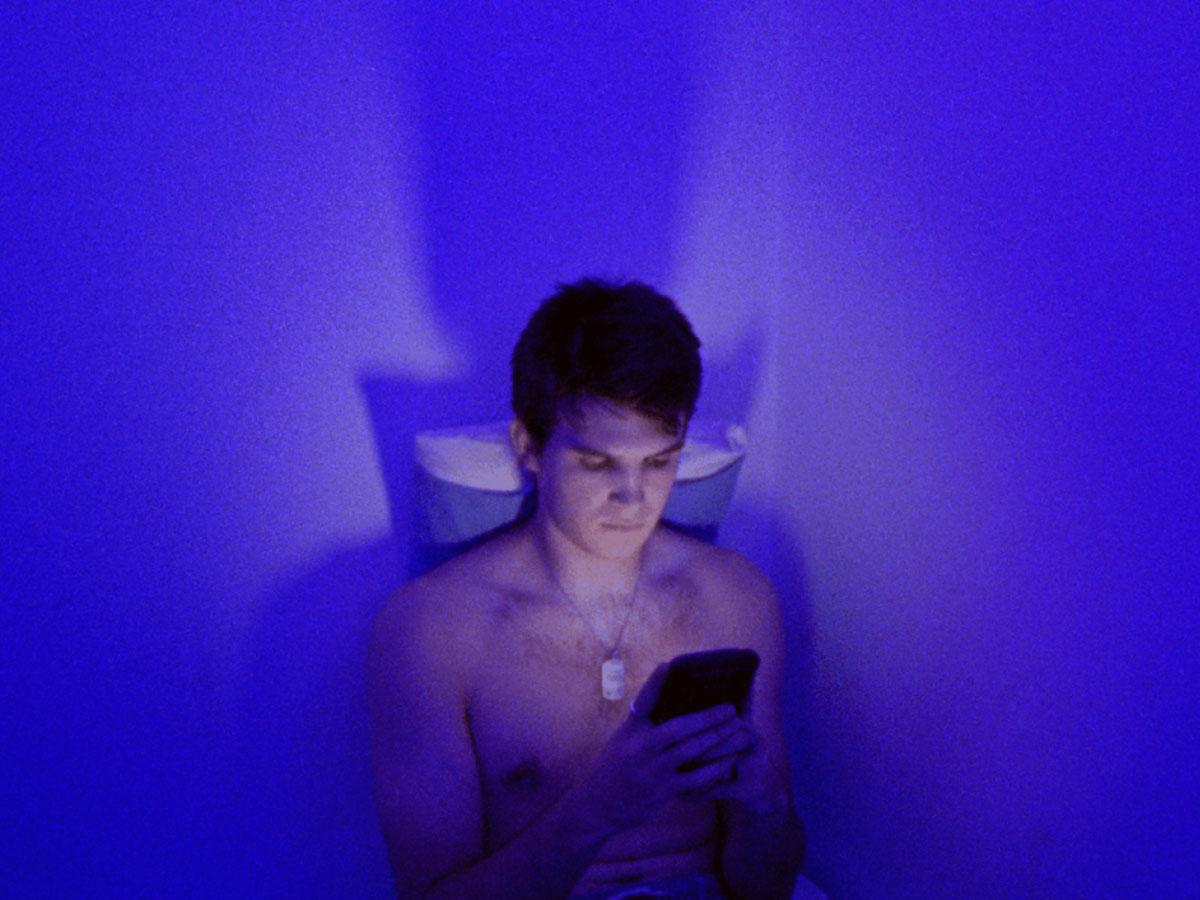
A broken phone and the digital memory of a broken queer relationship. Through the careful manipulation of discarnate metal components and the filmmaker’s attentive look at an intimate archive, a fading first love surfaces. Loveboard is a playful reflection on what remains.
Like an animal in one of Eadweard Muybridge’s scientific photo experiments, five undramatic moments in a man’s life are observed by a woman. A study in visual obsession and a twist on the notion of the “gaze”.
A sparing and minimal travelogue of Istanbul. A foreigner meditates on the unraveling of a relationship while moving from hotel room to hotel room. In a city simultaneously devoted to Islam and secular nationalism, she finds refuge in the frailty and severity of rituals.
Every year on the 10th of November, at 09:05 in the morning, individuals across Turkey cease all activities. Cars pull over, and pedestrians stop and stand still, in remembrance of Mustafa Kemal Atatürk (founder and first president of the Republic of Turkey), who died on this day and time in 1938. Els Opsomer captures such a moment on film.
Through dancing, The Motherfucker’s Birthday shows the evil of the dictator and the horror people endure under powerful political leaders. The film presents dancing, a universal and uniquely human activity often representing joy, with eerie footage of Saddam and his sons’ torture tools while they dance.
The Hymns of Muscovy is a trip to the eponymous planet, which is an upside-down space twin of the city of Moscow. Gliding along its surface, we look down at the sky and see historic architectural styles fly by—the exuberant Socialist Classicism, aka the Stalinist Empire, the laconic and brutalist Soviet Modernism, and the hodgepodge of their contemporary knock-offs and revivals.
Every form of communication involves deciphering codes. In Before Then, Mengzhu Xue attempts to confess a secret in the form of a letter in English, which she writes out phonetically in Chinese, and asks her grandmother to read out loud.
A wistful but witty account of a trip to Beijing by filmmaker Viv Li, a Chinese art student who has been living abroad for ten years. Her stay with her family mercilessly exposes how uprooted she has become by her life abroad.
Hand-painted watercolours explore bodies, desire, and the tension between both in this experimental animated film. Due to an explosion of colour and movement that escapes classical animation, an unusual sensorial force is achieved. Alternating colours, lines, and density, the drawings question pornography and normative sexuality.
It is sometimes said that if a man places a pearl under the skin of his penis, he will bring the woman the greatest pleasure. He grants her the greatest of all pleasures, while she will give him anything he desires. After a playful love dance, she melts into him, at the cost of losing themselves in each other to arrive at their deepest desires.
On the outskirts of the city, the new modern buildings are silent, and the motorway bridge drones. Birds are circling in the sky, and a young man, concealed by his hoodie, is riding his e-scooter along a park path. The only irritating element is the rifle over his shoulder. Cyclepaths conveys a mood of high alert, even though the disaster has, in fact, already happened.
In Emmanuel Marre’s vérité film, not the filmmaker or his camcorder dictate the mise-en-scène, but an alternating montage of Brussels-based parents styling their children’s hair with whatever they have at hand. Their direct but intimate instructions and the bathrooms, kitchens and living rooms that function as ephemeral hair salons sculpt the decor, rhythm, and imagery.