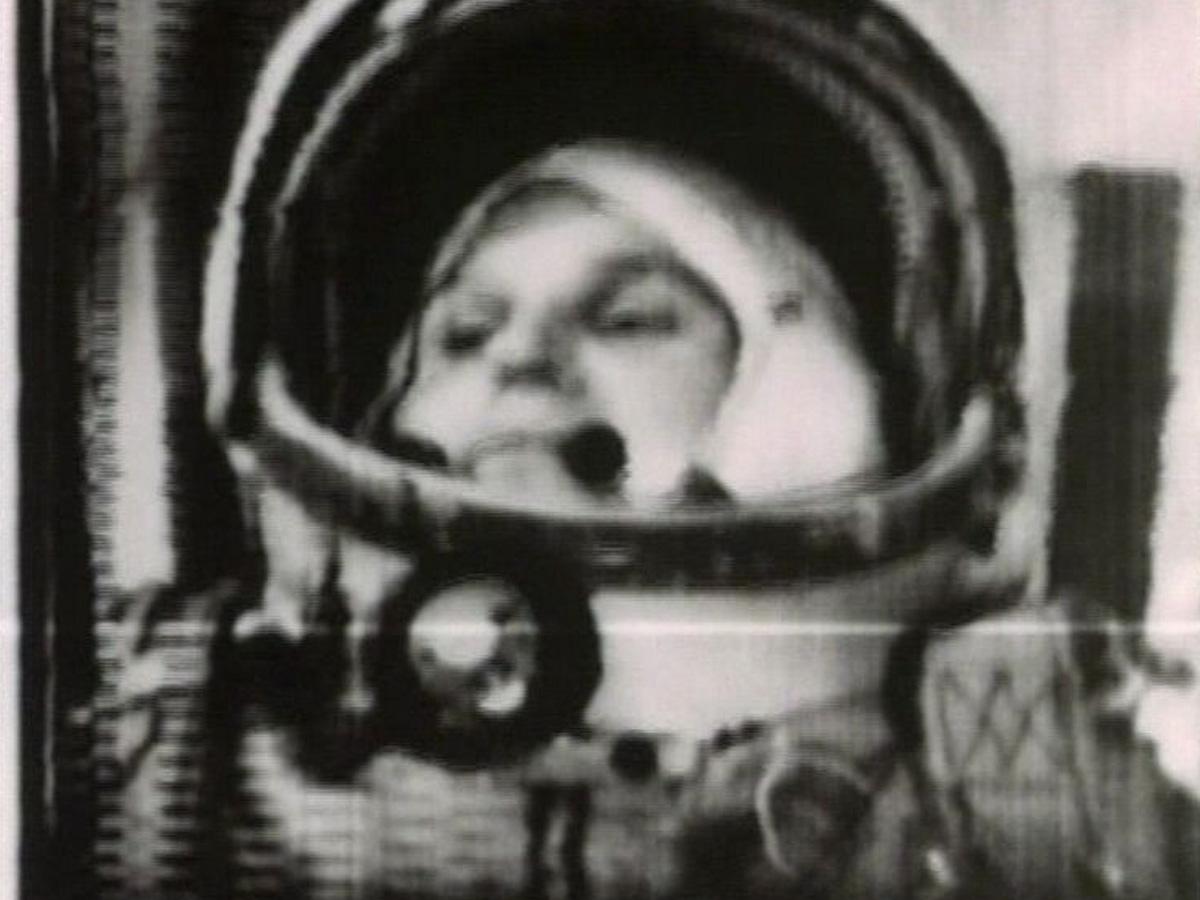
Set in the year 2103 and in outer space, a character looks back on women of previous generations. In this fictitious 22nd century, emancipatory thinking like feminism and socialism gains new relevance.
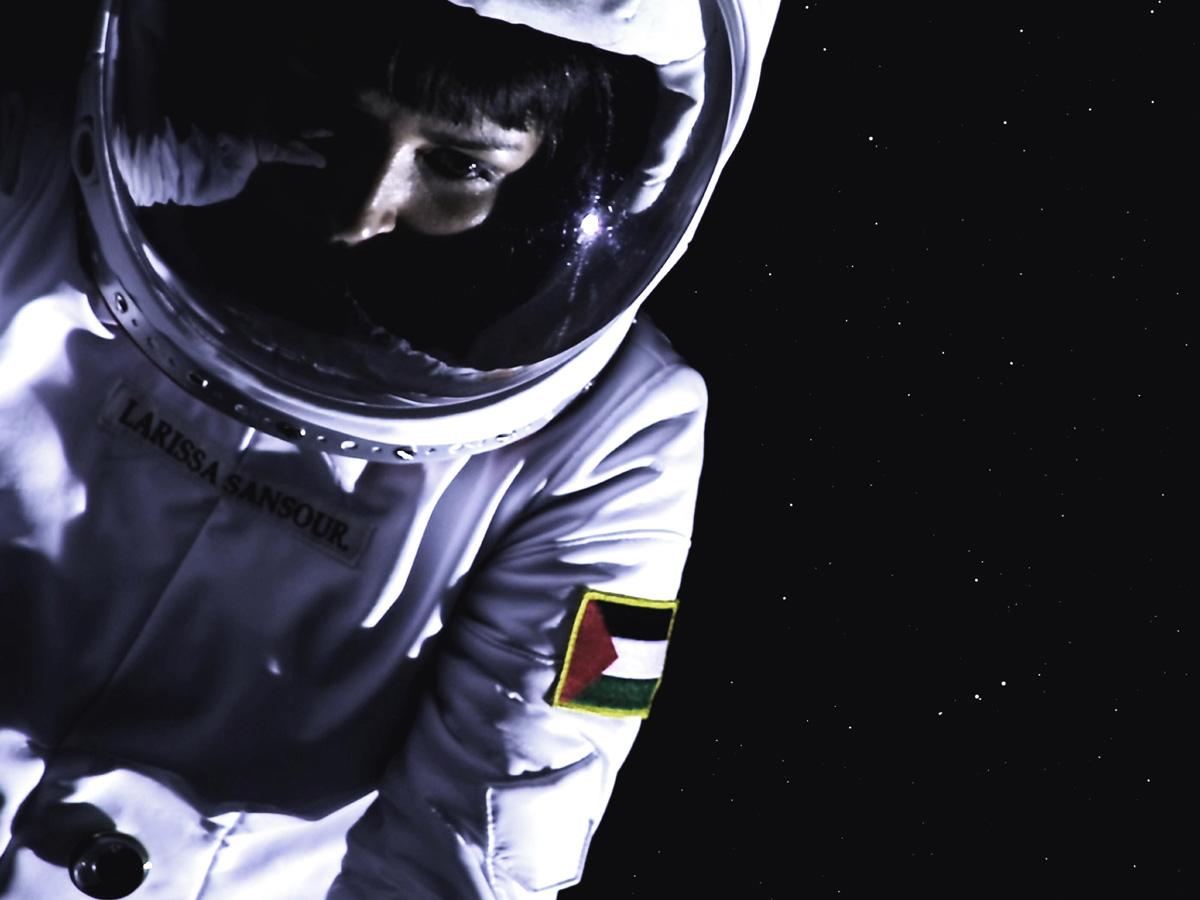
An exploration of the universe envisioned in Stanley Kubrick’s 2001: A Space Oddyssey. The recognisable music scores of the 1968 science fiction film are changed to arabesque chords, and surreal visuals reflect on the idea of a first Palestinian in galactic space.
Lucas invites his girlfriend Anäis to visit him at home. His father is Pierre Woodman, a famous porn director. Between computer games and pornographic archive material, a fictional story unfolds.
This machinima explores the perspective of a self-conscious replica of a plaza inside the video game Skater XL. The plaza reflects on its original, its own condition, and its relationship to a peculiar visitor: a white silhouette of a skater.
The militaristic environment of the dystopian multiplayer shooter game Tom Clancy’s The Division is reused for a pacifist city tour. During a walk through the post-apocalyptic city, issues such as architectural history and urbanism are discussed.
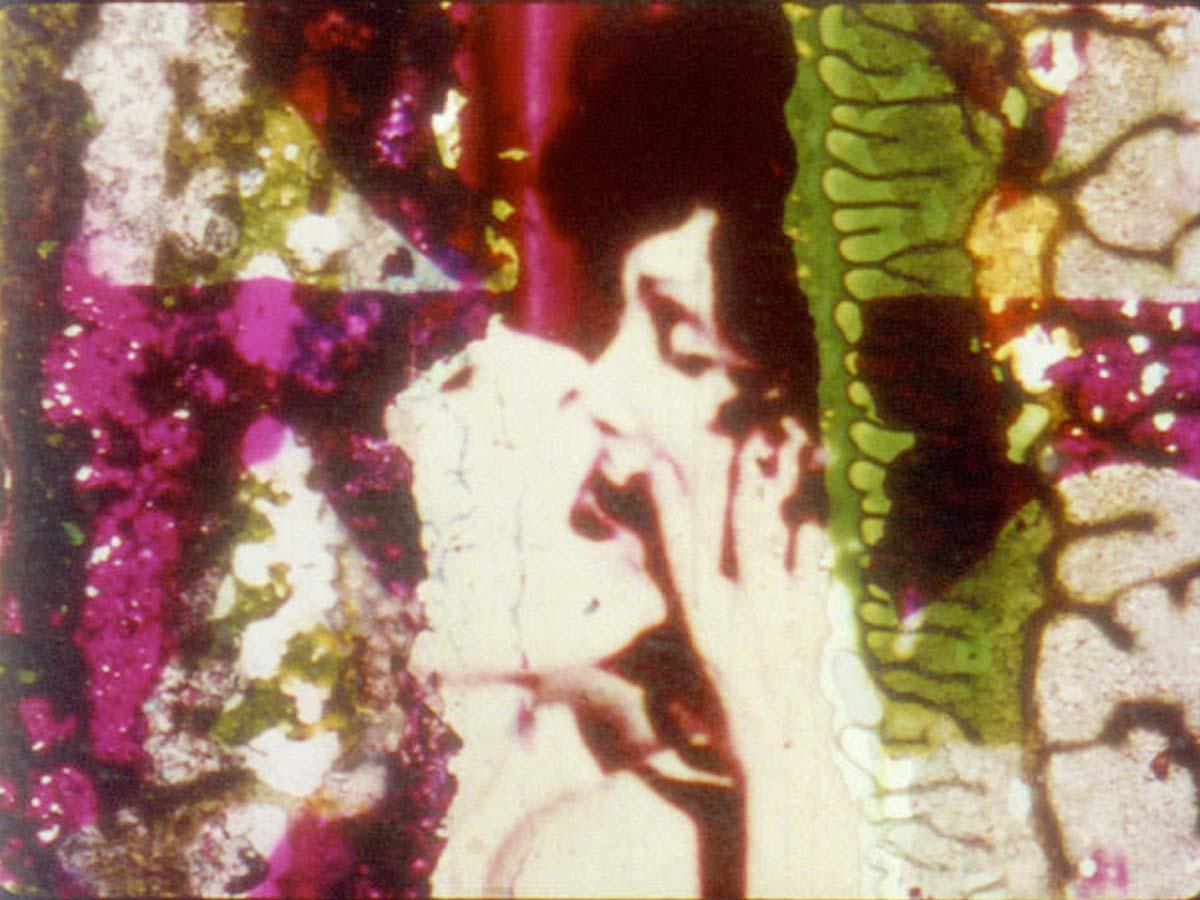
Sylvia Kristel – Paris is a portrait of Sylvia Kristel, best known for her role in the 1970’s erotic cult classic Emmanuelle, as well as a film about the impossibility of memory in relation to biography.
Built entirely within the Grand Theft Auto video game engine, Workprint: De Facto Vela Incident recontextualises historical archives to explore geopolitics, secrecy, and the blurred lines between reality and simulation.
489 Years shows the Demilitarized Zone between North and South Korea through the narration of a soldier who entered the DMZ, one of the most dangerous and heavily armed places in the world.
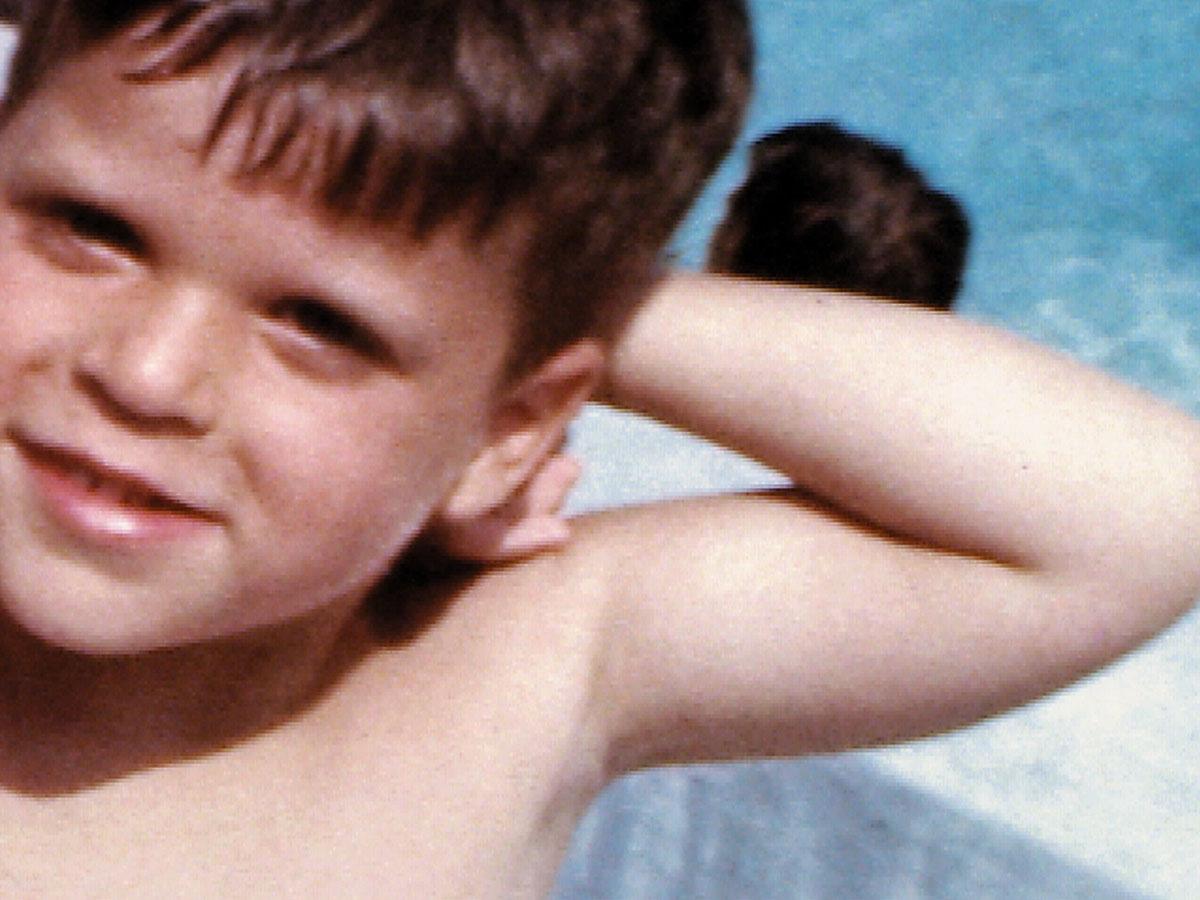
In twelve short chapters, filmmaker Jay Rosenblatt reflects on the loss of his younger brother in 1964. The inserted titles refer to the different stages of mourning.
According to Peggy Ahwesh, there is beauty and ecstasy in decay. With her 16mm blow-up of a pornographic Super 8 film, the American artist seeks sensuality.
A series of cameo portraits of Barbara Hammer’s friends and lovers intercut with a playful celebration of fruits and vegetables in nature. The culminating footage evokes a tantric painting of sustained sexuality.
Using the sixth century B.C. lyricist’s poetry, a group of women unwrap the papyrus gauze of the lesbian goddess and bring her to life. Made by Barbara and six students at the Women’s Building in Los Angeles.
This found footage collage reveals eerie similarities that unambiguously lay bare a pattern: boundaries are being crossed in the relationship between humans and animals.
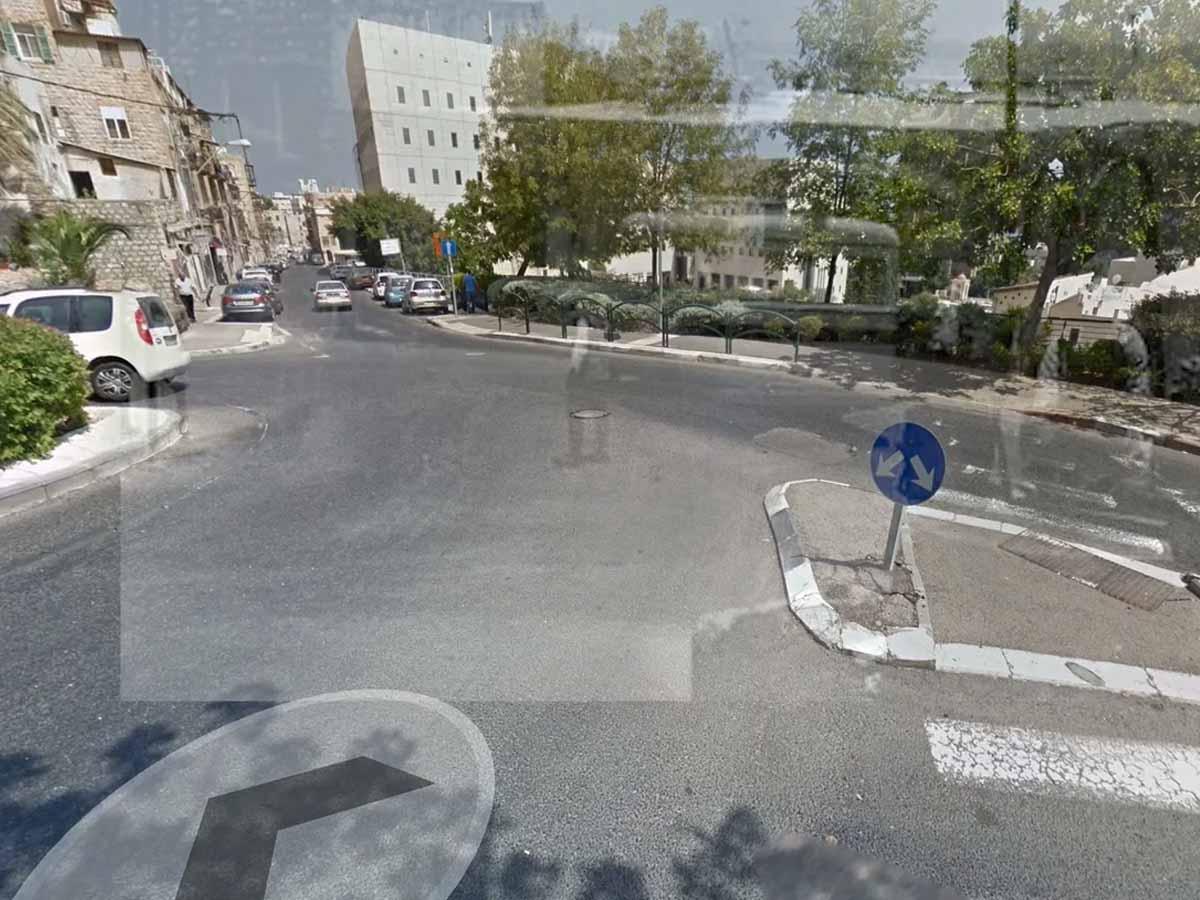
Een Palestijnse grootmoeder keert terug naar haar geboortestad Haifa, waar ze het landschap verkent op de enige mogelijke manier: als een digitale geest via Google Street View.
September 13, 1993: Yasser Arafat, Yitzhak Rabin and Bill Clinton’s handshake on the lawn of the White House after signing the Oslo Accords. A historic moment, repeated 20 times.
How do you abstract the death of a loved one? What texture do you give it? What colour? After the loss of his father, LUCA alumnus Brecht De Cock sculpted a transmedial response to these impossible questions.
In this hybrid 3D animated film, a pseudo-intellectual menagerie reflects on the contemporary political landscape on the other side of the Corsican Sea through dry wit and Disney fonts.
Shellie Fleming deconstructs Sylvia Plath’s Tulips and creates new word combinations that transform the poem. The poetry can be heard, seen, and felt in Devotio Moderna, which becomes a highly tangible experience.
A journey to the underworld begins within our own entrails. This film explores the intimate rhythm of digestion only to next investigate the becoming of geological eras, inspired by Gamaliel Churata’s El Pez de Oro, in which he states, “we all carry the dead alive; that the dead live.”
This video diary depicts a young woman’s flat, the fears and fantasies about her body plainly revealed as she wakes up with a bloated face, full of self-loathing after a night of compulsive over-eating.
Immersed in the community of artists and local residents on the island, Nicola L. approached Ibiza as a living landscape, shaped by mythology and shared experiences. In Les têtes d’Ibiza, fiction and documentary flow seamlessly into one another.
Artist Eva Giolo films her friends in their own homes and asks them to perform a few simple actions: gestures that reflect the fragile balance of everyday life, and, at times, become more aggressive. A cinematic poem in response to the global pandemic of 2020.
Three years after the publication of Marguerite Duras’ children’s book Ah! Ernesto, Jean-Marie Straub and Danièle Huillet pull the titular protagonist from its pages for an unconventional retelling of the short story.
Through a mix of stop motion and long takes, Vukica Đilas compiles an encyclopedia of the mundane, spanning almost thirty years and filled with memories of loved ones, travels, and sociopolitical sidelines. Her observations are like those of a child, awed by her surroundings and the details they reveal.
By interweaving esoteric texts and images, Working Knowledge of Ritual underscores the interconnectedness of spirituality and nature. The film muses on our energies alongside the natural world, inspired by the writings of Leonard Jones.
In this fictional epistolary film, writer Marguerite Duras, a member of the French Resistance during the Second World War and partner to a Holocaust survivor, uses her titular alter ego to voice a deeply personal grief.
Long still frames, text, and sound are woven together to unfold the narrative of an anonymous group that fills its time by plotting distances. Innocent measurements give way to political ones, examining how image and sound communicate history.
This experimental animated film delves into feelings of loss and helplessness, remnants of a traumatic experience. The emotional wounds are visually translated into a pulsating presence that embodies a dark and disturbing image of femininity.
A silent film of collaged and painted sequences of lovemaking between artist Carolee Schneemann and her then partner, composer James Tenney, observed by their cat, Kitch.
A broken phone and the digital memory of a broken queer relationship. Through the careful manipulation of discarnate metal components and the filmmaker’s attentive look at an intimate archive, a fading first love surfaces. Loveboard is a playful reflection on what remains.
Like an animal in one of Eadweard Muybridge’s scientific photo experiments, five undramatic moments in a man’s life are observed by a woman. A study in visual obsession and a twist on the notion of the “gaze”.
Through dancing, The Motherfucker’s Birthday shows the evil of the dictator and the horror people endure under powerful political leaders. The film presents dancing, a universal and uniquely human activity often representing joy, with eerie footage of Saddam and his sons’ torture tools while they dance.
The Hymns of Muscovy is a trip to the eponymous planet, which is an upside-down space twin of the city of Moscow. Gliding along its surface, we look down at the sky and see historic architectural styles fly by—the exuberant Socialist Classicism, aka the Stalinist Empire, the laconic and brutalist Soviet Modernism, and the hodgepodge of their contemporary knock-offs and revivals.
A silent meditation on death depicting bodies lying in a morgue, this is one of the starkest works of body horror in which Brakhage makes the monster our very own perception.
Of the more than eighty moving-image works that Barbara Hammer created, her 1974 film Dyketactics remains her most iconic. A four-minute paean to lesbian sexuality, the film publicly announced Hammer’s blossoming sexual identity.
Brakhage’s avant-garde classic is an intimate impression of the birth of his first child. The film features the first contractions, the actual delivery, and the cutting of the umbilical cord.
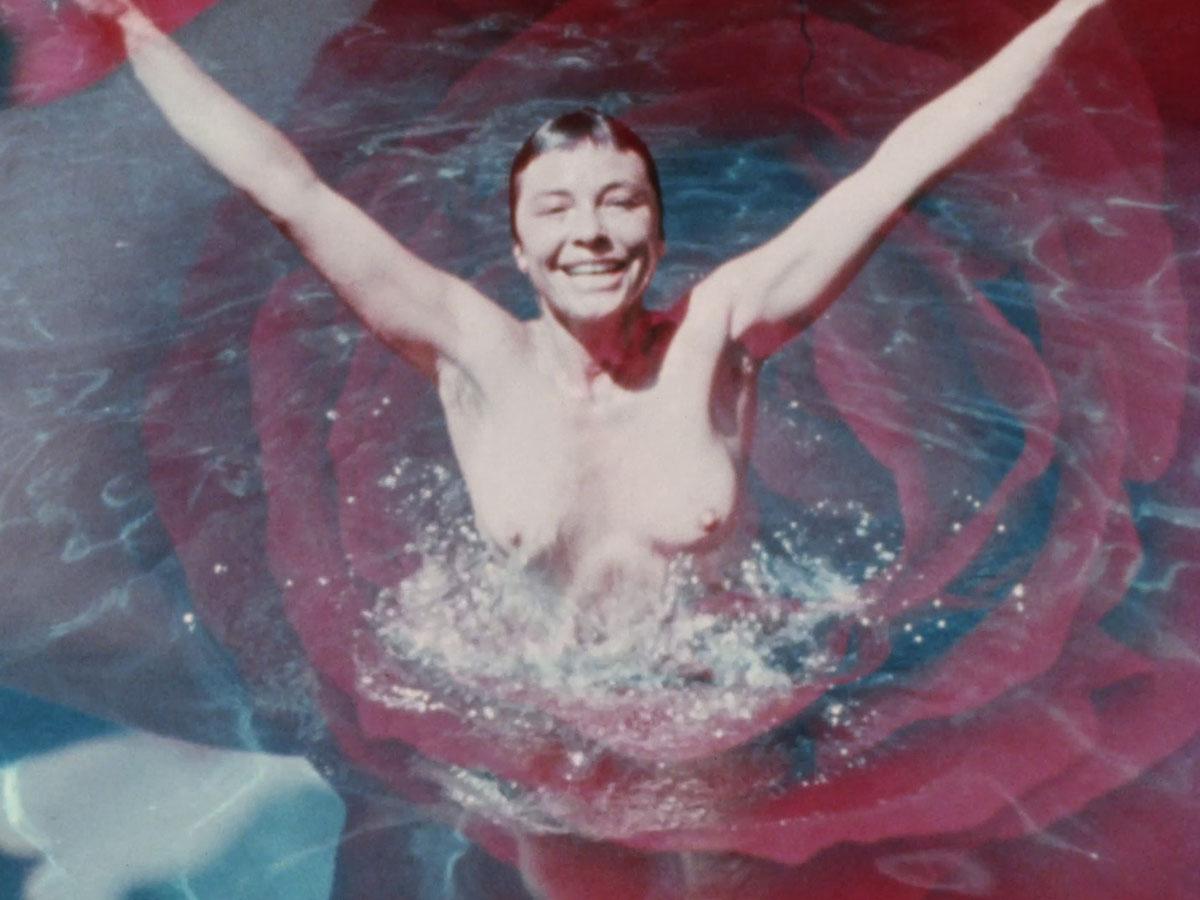
With a 16mm Bolex camera, Rose Lowder developed her own unique way of filming. Her famous “Bouquets” consist of a series of one-minute compositions whose 1440 frames are interlaced so that each bouquet of flowers also becomes a bouquet of images.
In this expression of gendered pain, joy, and hardship, Chick Strand collaborates with five women who share their experiences through direct, frank stories. Throughout these testimonies, Soft Fiction considers the identification and representation of womanhood, and the sense of possession and dispossession through consensual and abusive sexuality.
This short animated film seems playful only at first glance—in fact, it tells the story of a life on the margins of society in a no less disturbing way. While the filmmaker is reading quotes from conversations with an invalid man from eastern Germany, a mechanical ballet of light switches and plastic dolls is set in motion.
Everything in Anticipation of the Night is shown in a multitude of aspects, at varying speeds, with crucial changes in lighting and graininess. This film bids farewell to the protagonist’s last dying thought and to all the primitive “point of view” tricks of narrative cinema.
Made in 1993, when the Bosnian War was at its apex, this film compresses untold hours of action into two minutes. A static photograph is revisited once and again. Hail, Sarajevo is a morsel of history in and of itself.
In a shopping mall, two women sing about their favourite items but are quickly pursued by a masked cannibal who is intent on forcing his way to their love. Possibly in Michigan is an operatic fairy tale of cannibalism and dread in America.
Mothlight was created by painstakingly collaging bits and pieces of organic matter—moth wings, most notably, as well as flowers, seeds, leaves, and blades of grass—and sandwiching them between two layers of clear 16-mm Mylar editing tape.
Spacy elaborates the concept of ‘infinite regress’ through a zoom-in to a grandstand on which animated photos show a zoom of the same stand, ad infinitum, with reverses and variations. All its components—location, illusion, and time—are strictly combined in an endless cycle, like a Möbius strip or an Escher film, in a Japanese tempo, from slow to fast.
In the dream-like narrative of At Land, a woman, played by filmmaker Maya Deren herself, is washed up on a beach and goes on a strange journey, encountering other versions of herself. Deren described the film as about the struggle to maintain one’s personal identity.
In Hapax Legomena I: Nostalgia, Hollis Frampton presents 12 pictures and reminisces about them. After about a minute, the photos catch fire and burn to ashes. Memory and anticipation merge.
Dimensions of Dialogue demonstrates that communication can and will break down. During this 12-minute magnum opus, Jan Švankmajer demonstrates his virtuosity and limitless invention by shifting his artistic style and animation techniques three times.
Zbigniew Rybczynski worked eight hours a day for ten months on the Oscar-winning Tango. He brings together a jumble of cut-out photos featuring countless figures of all kinds and ages in a flawlessly synchronised animation. The work was formally highly innovative at the time.
In Outer Space, a woman no longer fights an unknown entity, but that portion of the filmstrip that is normally unseen when film is projected—the “outer space” of the film’s image, consisting of the optical soundtrack and its perforations.
An authoritative voice-over pre-empts the events in the image, seeming to order not only the people, cars, and moving objects on the screen but also the actual camera movements on the street in view. John Smith draws attention to how controlling and directional the practice of voice-over actually is.
Wavelength consists of almost no action. The film’s spine is its famous zoom from a fixed camera position. The spectator is led to concentrate on this central element, the photograph, until the image is washed out and the film comes to an end.
Two young men in a pickup truck, from different parts of the world, discover each other through the use of a camera. As the camera lenses change, a landscape of rice fields and a cinema crew get into the frame. The camera then reshoots the road and the men, as if we were witnessing a film rehearsal.
In 2014, artist and forensic audio analyst Lawrence Abu Hamdan examined audio files of the shots that killed Nadeem Nawara and Mohamed Abu Daher in the West Bank of Palestine. Rubber Coated Steel does not preside over the voices of the victims but seeks to amplify their silence.
Germaine Dulac’s The Seashell and the Clergyman was arguably the first surrealist film ever made. The film tells the story of a clergyman who falls madly in love with a beautiful woman, but must defeat an equally eager rival.
Zuza Banasińska reinvents the famous Slavic witch Baba Yaga through a clever montage of films from the Polish Educational Film Studio archive, containing sexist content. Questioning their own non-binary identity, they unleash the queer dimension of found footage tasked with conveying a normative conception of identity.
Today, the flicker film Arnulf Rainer is still a landmark in the history of cinema. In this radical work, Peter Kubelka reduced cinema to its simplest form of expression: each frame is composed of light or darkness, silence or sound.
All My Life is a 3-minute pan movement that opens on an old picket fence framed by the blue sky above and a stretch of summer-brown grass below. On the soundtrack, you can hear the crackle and hiss of an old record. Soon, Ella Fitzgerald starts singing “All My Life” in a 1936 session with the pianist Teddy Wilson.
During the Cold War, the Thai village of Nabua was accused of harbouring communists. Its inhabitants were subject to violent reprisals. Phantoms of Nabua evokes these atrocities, but does so under a luminous guise.