In 1998, Semira Adamu, a 20-year-old Nigerian immigrant, died on Belgian soil of suffocation under a police pillow. Twenty years later, two women tell her story in a cry for justice. Through this film, they highlight the reality of detention centres: the harsh conditions of confinement, the suffering of detainees and the abuse by guards and police officers.
The thaw of the so-called eternal snow of Páramo, a neotropical alpine ecosystem in the high Andes, exposes a layer of meaning about the origins and survival of the landscape.
Filmmaker Nahid Rezaei returns to her all-girls high school to explore the lives of young students in Tehran. At times, the girls are very open about their hopes and dreams, sweet even, but when their future is discussed, they are occasionally sad.
Eight thousand five hundred kilometres lie between the Amazon and the Ardennes. In his home country of Brazil, filmmaker Diego looks at the inaccessible forest from the outside. Its Belgian counterpiece, however, is easier to explore.
In 20th-century Colombia, resistance fighter Yarokamena, a member of the indigenous Uitoto tribe, called for rebellion against violent exploitation of the rubber mining industry in the Amazone and invoked the spiritual powers of war.
This is a cinematic letter to the title character, who left Tunisia and now lives in Belgium. Shot in the first year after the Tunisian revolution, this is a poetic journey through a troubled landscape. Between order and chaos, the film reveals a land of disillusionment but also of humour and hope.
This avant-garde work exposes how we hide behind a façade in times of crisis, as if nothing is wrong. Arthur Lipsett’s first collage film mixes dozens of black-and-white photographs with audio fragments. The film’s subtle criticism of the 1960s zeitgeist in the United States earned it an Oscar nomination.
Filmed in Shatila, a refugee camp built in Lebanon when thousands of Palestinians fled their country in 1948. At an undetermined moment in the future, the refugees’ dream of returning to Palestine becomes a reality.
Using images shared on the Internet by Israelis during the Gulf War, the First Intifada, and trance music gatherings, Shuruq Harb paints the portrait of a Palestinian teenager in the 1990s. In the midst of Israeli pop culture and the political climate of the Oslo Accords, she comes to grips with her anxiety.
During her vacation in Cuba in 1963, four years after Fidel Castro came to power, Agnès Varda made a photo report about Cuban society and culture after the revolution. This delightful black-and-white composition makes the edit resemble a choreography and intermingles the photos with catchy Cuban rhythms.
Irani Bag is a split-screen video essay that questions the alleged innocence of handbags in post-revolutionary Iranian cinema. In doing so, Maryam Tafakory provides a robust political analysis of censorship and intimacy.
Jean-Marie Straub and Danièle Huillet’s first major film introduced their grippingly sparse, elliptical style to international audiences. Not Reconciled brought an intense sense of the present to this narrative of three architects reckoning with their family’s traumatic wartime history.
After the revolution in 1979, Iran prohibited the depiction on the silver screen of men and women touching. Since then, directors have relied on every cinematic trick in the book to mirror ecstatic tension. Nazarbazi collages these intense cinematic moments into a poem about love and desire.
The War Game presents a fictional scenario concerning the consequences of an explosion in Kent following the escalation of an East-West conflict. The BBC withdrew its support, stating that “the effect of the film is considered too horrific for television broadcast”. The film had a significant impact on the growing campaign for nuclear disarmament.
During the Cold War, the Thai village of Nabua was accused of harbouring communists. Its inhabitants were subject to violent reprisals. Phantoms of Nabua evokes these atrocities, but does so under a luminous guise.
Each Saturday, historian and activist Alicia Vega transforms the chapel of Lo Hermida into a screening room for about a hundred children. They have never seen an actual movie, and in her workshop, they learn more about cinema. Through watching films, the children discover a larger reality and a different world.
A film on the Dare strike of the early 1970s. Hundreds of feet and legs marching and picketing with the word ‘solidarity’ superimposed on the screen. Like Wieland’s earlier films, Solidarity uniquely combines political awareness with an aesthetic viewpoint and a sense of humour.
In 2014, artist and forensic audio analyst Lawrence Abu Hamdan examined audio files of the shots that killed Nadeem Nawara and Mohamed Abu Daher in the West Bank of Palestine. Rubber Coated Steel does not preside over the voices of the victims but seeks to amplify their silence.
Alain Resnais combines poignant black-and-white archive footage of the Holocaust, such as mass graves and systematic destruction, with colour footage of the empty camp grounds of Auschwitz and Majdanek in 1955. Night and Fog raises critical questions about collective memory and the tendency to forget.
The Inextinguishable Fire is a critique of the Vietnam War and the role of industry in the production of chemical weapons. In analysing the dissemination and consumption of images, Harun Farocki reveals the inextricable links between media culture, politics, and violence.
In 1967, Agnès Varda was living in California when one of the Black Panthers founders, Huey P. Newton, was arrested during a traffic stop for killing a police officer—a clear case of racial injustice, according to the Panthers. The following summer, Varda took her 16mm camera to a “Free Huey” demonstration in Oakland.
At the outskirts of a city, a group of people stands around a lorry. Naked men, women, and children are herded in through the rear door of the vehicle. Once the door is locked, a gentleman takes a hose and connects it from the exhaust pipe to the lorry’s interior.
A polemical, avowedly personal video documentary on the American Black gay experience. Marlon Riggs celebrates Black men loving Black men as a revolutionary act.
Norman McLaren applies the principles used to animate drawings or puppets to animate live actors. Neighbours is a parable about two people who come to blows over the possession of a flower. The political context shifts depending on the viewers’ personal positions.
In this documentary essay, Harun Farocki shows that the famous Lumière brothers’ sequence of the same title already carries within itself the germ of a foreseeable social development: the eventual disappearance of this form of industrial labour.
Made in 1993, when the Bosnian War was at its apex, this film compresses untold hours of action into two minutes. A static photograph is revisited once and again. Hail, Sarajevo is a morsel of history in and of itself.
Clips sampled from films, newscasts, sporting events, music videos, and citizen videos traverse the twentieth century, focusing on the lives of Black people set against the backdrop of systemic racism and White supremacism. Taken as a whole, Jafa’s montage comprises a poignant, visceral meditation on African American identity and history.
Maryam Tafakory creates an intimate inner world that moves between the concrete and the abstract. Layers of found and original footage are superimposed to fill in some of the cracks, the deletions, the limits of representation. Mast-del is a love song that would never pass through censorship.
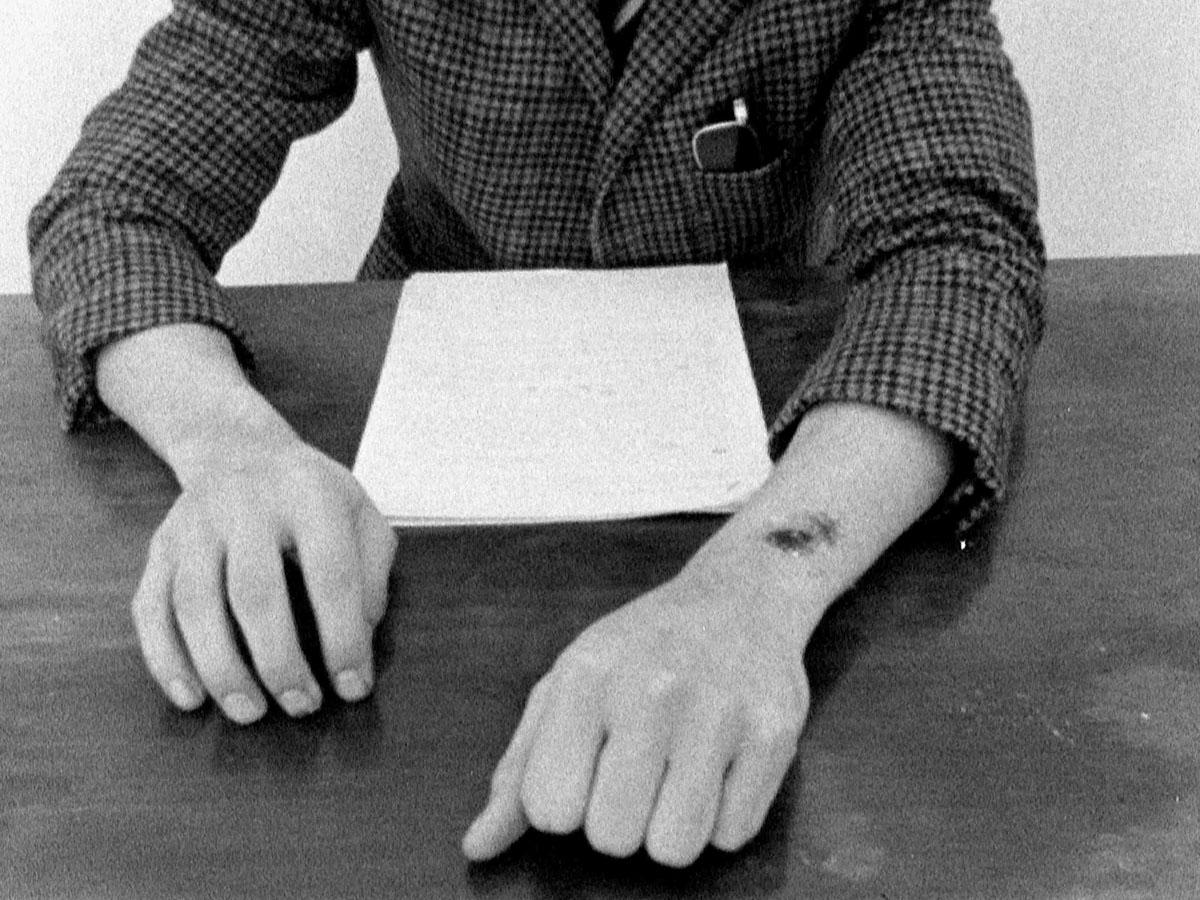
In this documentary-cum-survey made in 1979, basic existential questions are asked in the form of a street survey probe. Forty-four selected Poles, representing various professions and ranging in age from seven to a hundred years old, answer three questions: When were you born? Who are you? What do you want (in life)?
Through dancing, The Motherfucker’s Birthday shows the evil of the dictator and the horror people endure under powerful political leaders. The film presents dancing, a universal and uniquely human activity often representing joy, with eerie footage of Saddam and his sons’ torture tools while they dance.
Every year on the 10th of November, at 09:05 in the morning, individuals across Turkey cease all activities. Cars pull over, and pedestrians stop and stand still, in remembrance of Mustafa Kemal Atatürk (founder and first president of the Republic of Turkey), who died on this day and time in 1938. Els Opsomer captures such a moment on film.
A sparing and minimal travelogue of Istanbul. A foreigner meditates on the unraveling of a relationship while moving from hotel room to hotel room. In a city simultaneously devoted to Islam and secular nationalism, she finds refuge in the frailty and severity of rituals.
Eighty years later, Theo Panagopoulos sheds a bitter light on archival footage. The director builds a dystopian bridge between the harbinger of the Nakba in 1948 and today’s genocide. Where are the plants and the people now? Do they still colour the regions?
Long still frames, text, and sound are woven together to unfold the narrative of an anonymous group that fills its time by plotting distances. Innocent measurements give way to political ones, examining how image and sound communicate history.
Rana Nazzal Hamadeh’s colourful, low-resolution imagery searches for indigenous plants, ravaged by settlement colonialism. More than a condemnation, Hamadeh’s docu-essay feels like a reappraisal of the (political) power that lies within crops like deerhorn and sumac.
Immersed in the community of artists and local residents on the island, Nicola L. approached Ibiza as a living landscape, shaped by mythology and shared experiences. In Les têtes d’Ibiza, fiction and documentary flow seamlessly into one another.
A journey to the underworld begins within our own entrails. This film explores the intimate rhythm of digestion only to next investigate the becoming of geological eras, inspired by Gamaliel Churata’s El Pez de Oro, in which he states, “we all carry the dead alive; that the dead live.”
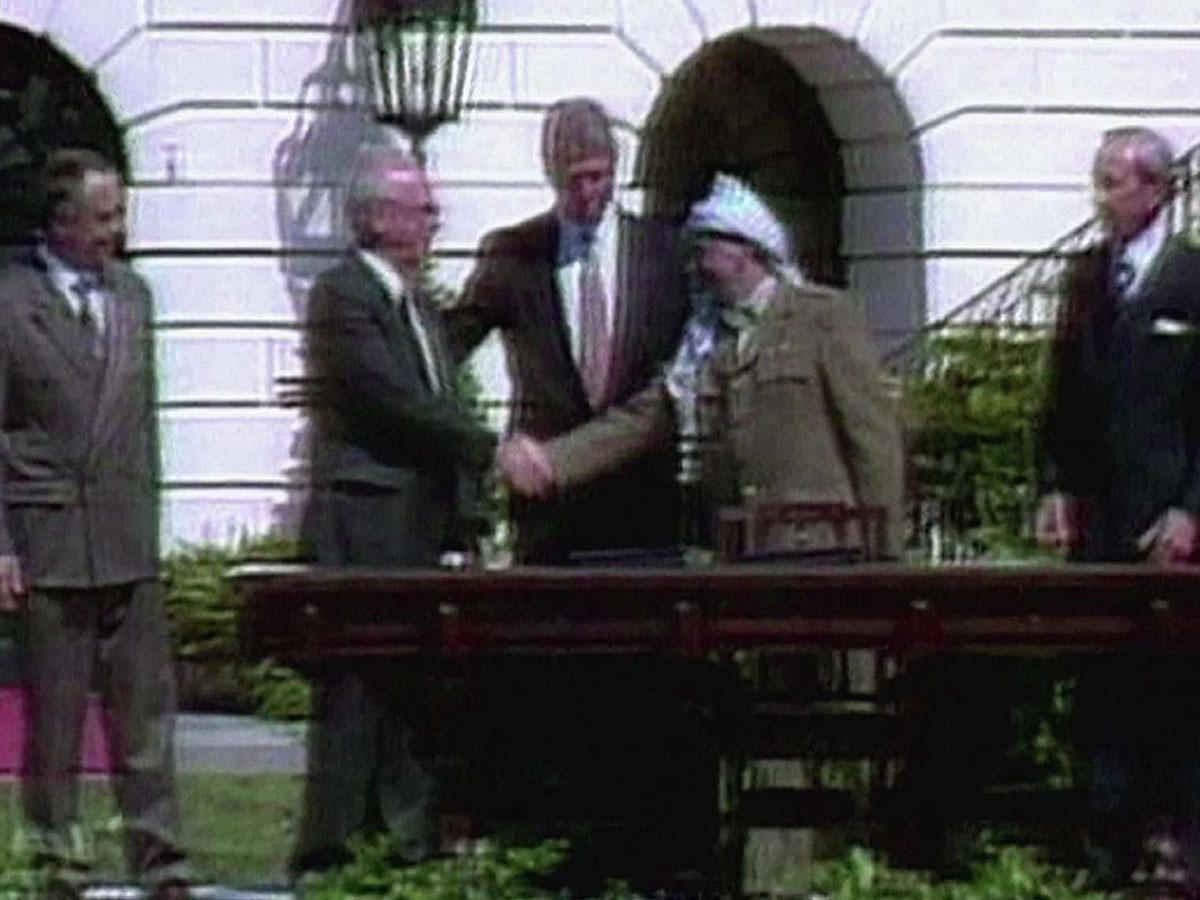
September 13, 1993: Yasser Arafat, Yitzhak Rabin and Bill Clinton’s handshake on the lawn of the White House after signing the Oslo Accords. A historic moment, repeated 20 times.
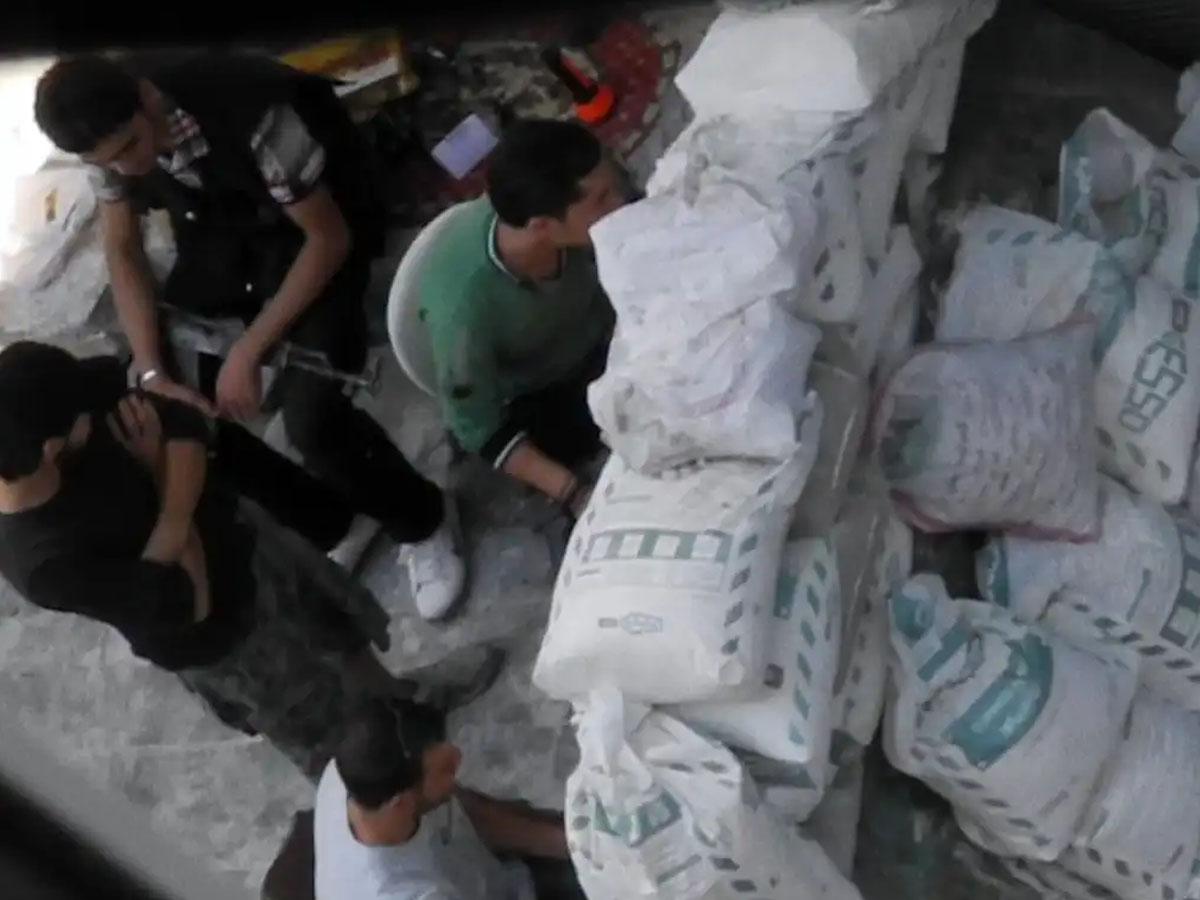
One morning in August 2012, renowned Syrian photographer Issa Touma saw young men lugging sandbags into his street. It turned out to be the start of the Syrian uprising in Aleppo.
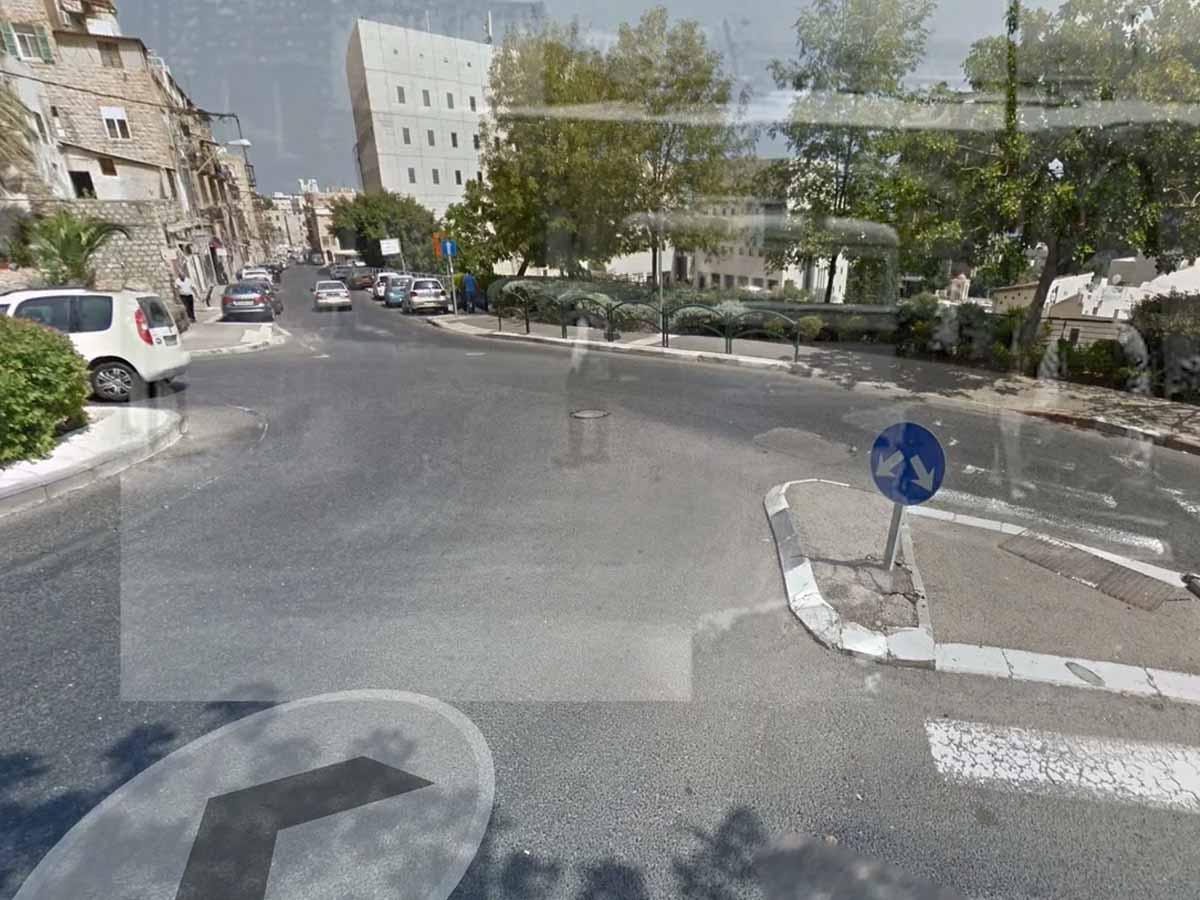
Een Palestijnse grootmoeder keert terug naar haar geboortestad Haifa, waar ze het landschap verkent op de enige mogelijke manier: als een digitale geest via Google Street View.
By making its central character ever-changing, Tukuleur attempts to show how our gaze influences the interpretation of different bodies in different contexts. The film shows the consequences of these gazes and their linked representations for the personal growth of the character.
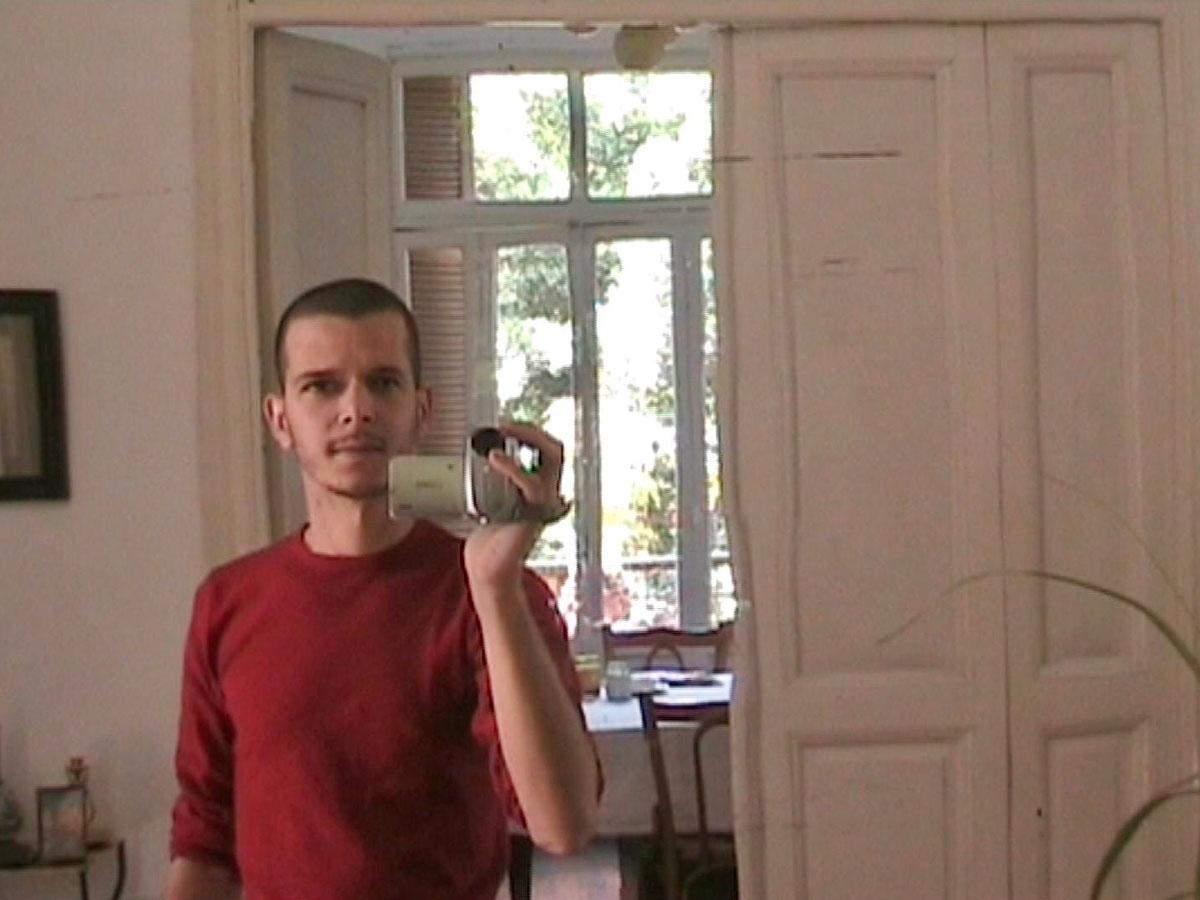
Moroccan writer and filmmaker Abdellah Taïa wanders through Cairo. His impatient handycam scans the Egyptian city. Eighteen years later, Taïa looks back on the memories he and his lost love shared there.