
Subscribe to our monthly newsletter for updates on new releases, publications, and events!
Korina Husnjak
| Movie | Original Title | Director | Country | Year | Duration |
|---|

double bill #1
curated by Leong Puiyee
Transforming settings into metaphors, the film screen becomes a reflection of inner and collective concerns, lingering on the fragile boundaries between escape and entrapment. Meltse Van Coillie’s elephantfish and Taiki Sakpisit’s The Age of Anxiety explore this liminal space, caught between dream and decay.
double bill #10
curated by Aurélien Marsais
Adolescence in stasis—youth caught between nihilism and yearning, their imagination becoming survival. Both films reveal how youth invents itself when the world offers nowhere to go but in-between spaces.
double bill #11
curated by Anne Gaschütz
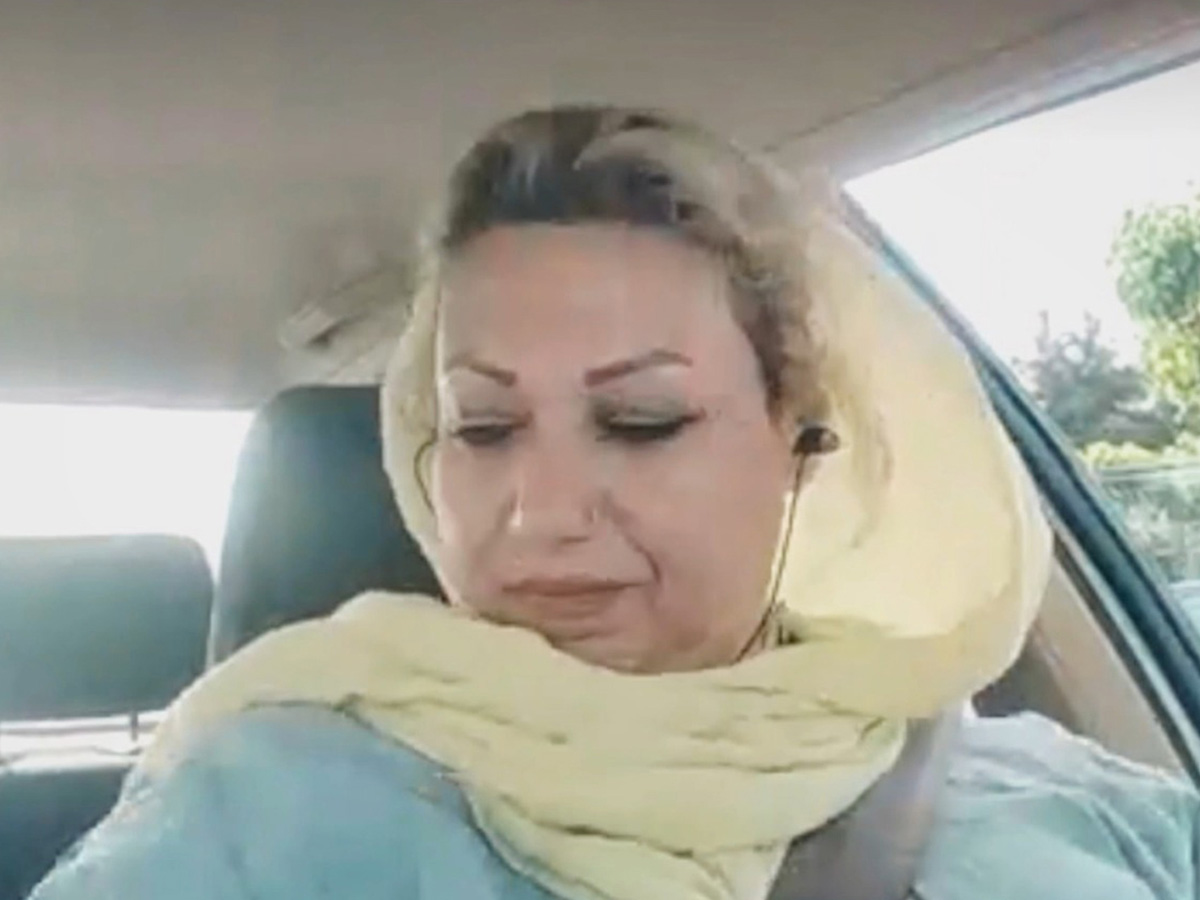
In places where desire is policed, a woman’s body becomes a battleground—between tradition, survival, and the hope for freedom. Bülent Öztürk’s Houses With Small Windows and Hoda Taheri’s Mother Prays All Day Long show the cost of wanting more than the world allows.
double bill #12
curated by Borjana Gaković
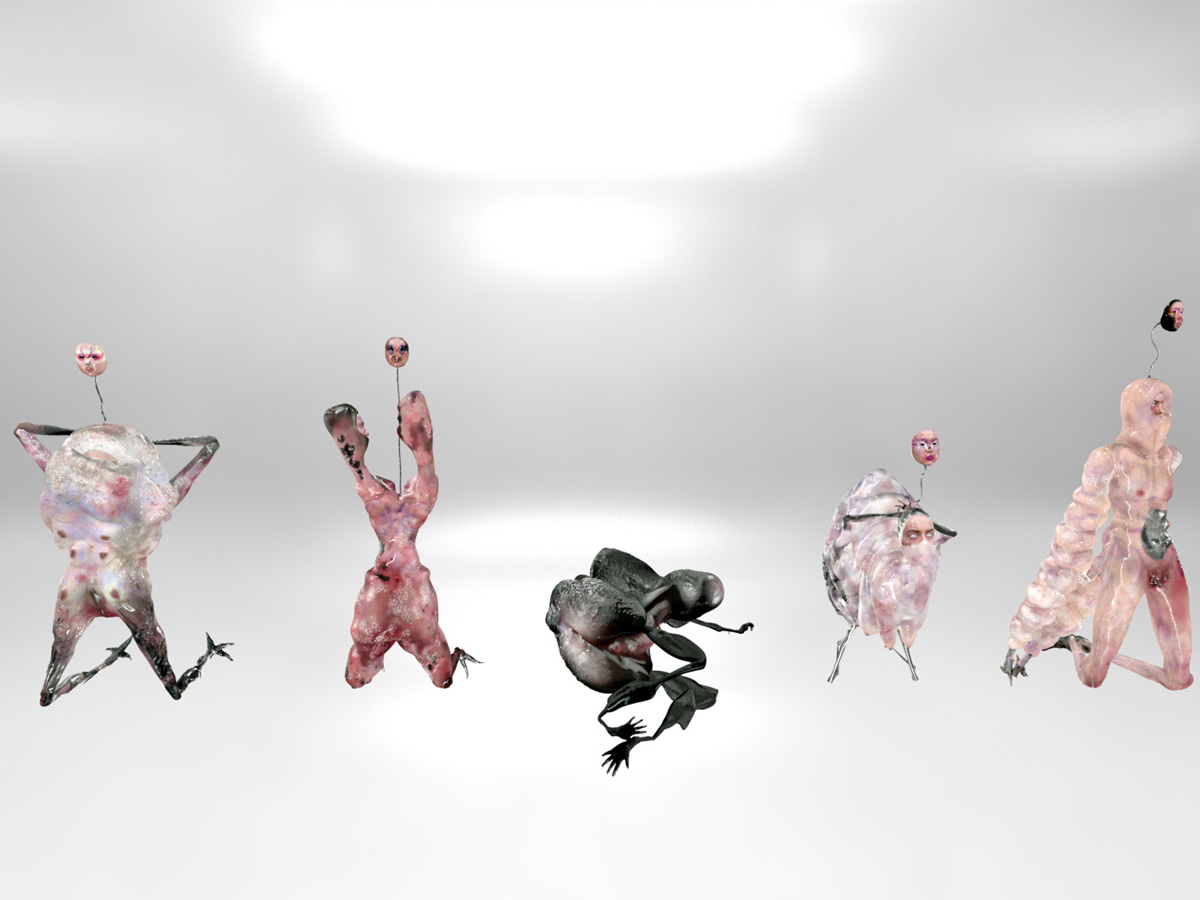
Where does hope come from? In both This Day Won’t Last and Scum Mutation, we learn that it emerges from persistence. Where one film whispers, the other screams, yet both insist on the presence of queer lives.

double bill #13
curated by Daniel Šuljić
When the structures meant to hold us together begin to warp, we slip into spaces where logic falters. Our lives are forever changing, and these filmmakers reveal how our inner landscapes twist under pressure, guiding us toward an unexpected form of tenderness.

double bill #14
curated by Nastaran Tajeri-Foumani
There is no map for the space between the real and the imagined. For Olivier De Vos and Pol Merchan, desire becomes their North Star. Queerness dreams its own geographies—atopic, unruly, defiantly fluid—spaces where reinvention becomes a way of living.
double bill #15
curated by Oana Ghera
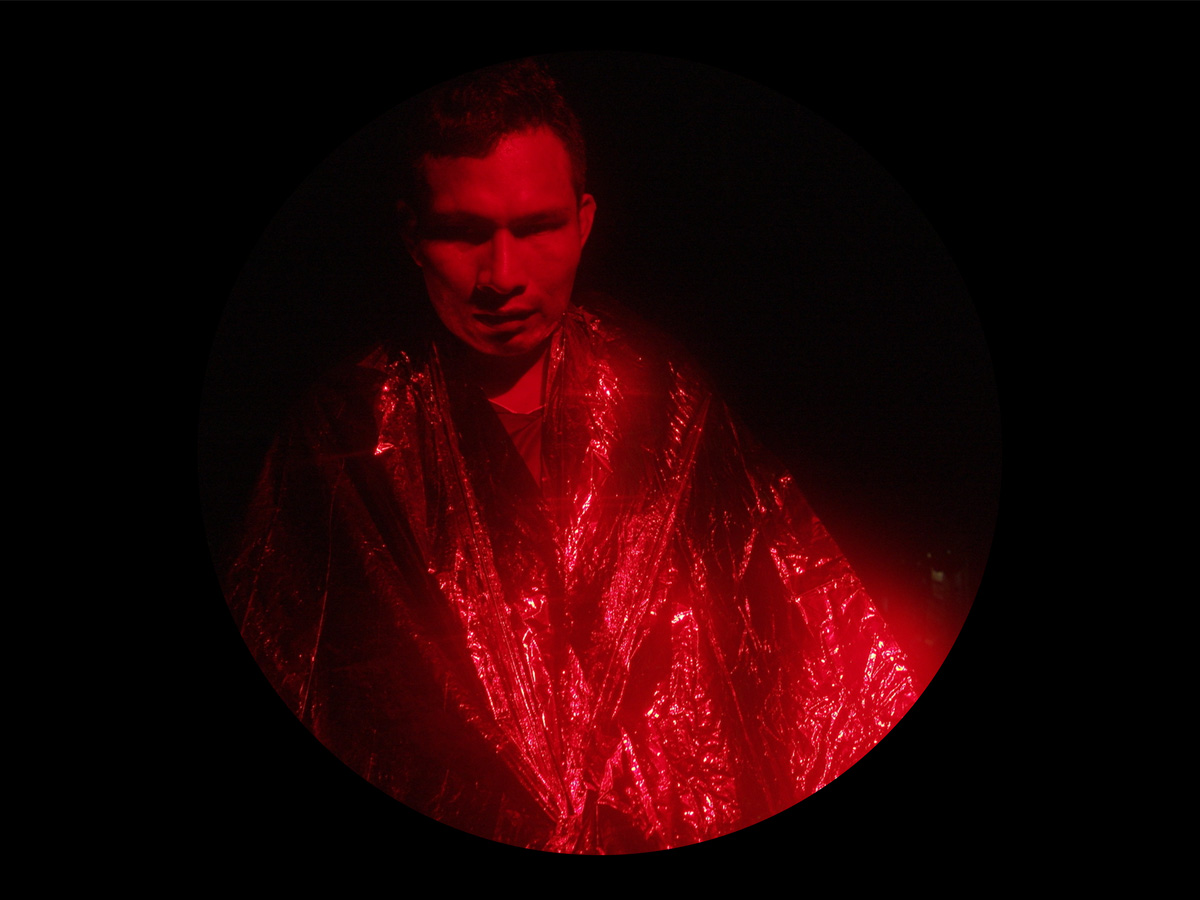
Across continents and centuries, Diego Quinderé de Carvalho and Andrés Jurado search for what remains after extraction—of land, of memory, of spirit. Their films show how landscapes remember what history tries to bury—offering visions of resistance that cross both space and era.

double bill #16
curated by Emilia Mazik
Eating as ritual and spectacle; our meals are never just about food. Community, class, and cultural values are always present at the dinner table. Luc de Heusch’s Les Gestes du repas and NEOZOON’s Love Goes Through the Stomach show how communities define themselves and how cultures transform through the act of eating.

double bill #17
curated by Teresa Vieira
Our fascination with life on Mars and with exploring the vast unknown has less to do with escape and more with our perspective of the here and now. In both Mars, Oman and The End of Suffering (A Proposal), the cosmos becomes a mirror, reflecting our anxieties, hopes, and need for meaning.
double bill #18
curated by Rebecca Jane Arthur
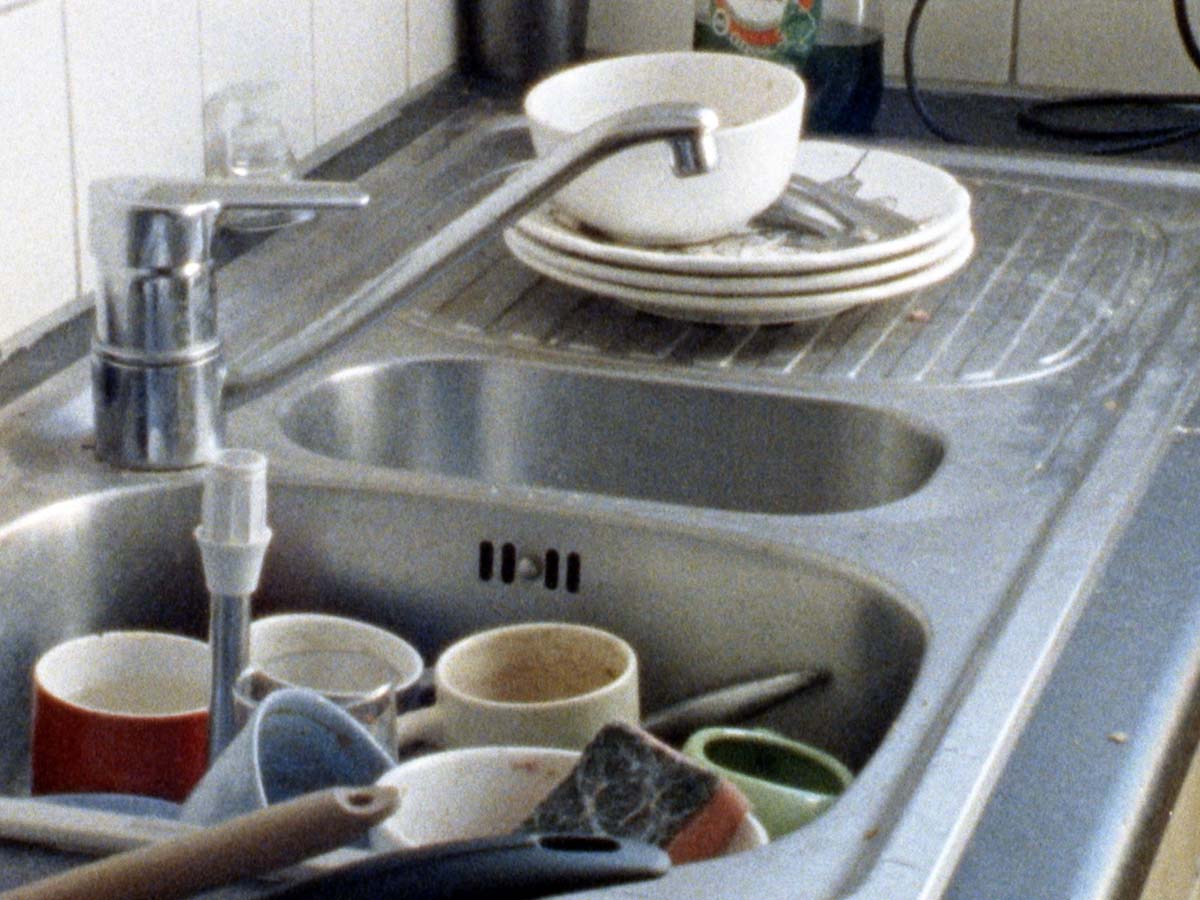
In this double bill, siblinghood becomes a fragile thread—stretched across time, distance, and the soft ache of remembering. Together, Minne and Delanghe’s films meditate on the fragility of time and reflect on what slips away—and what endures.
double bill #19
curated by Iris Diane Palma
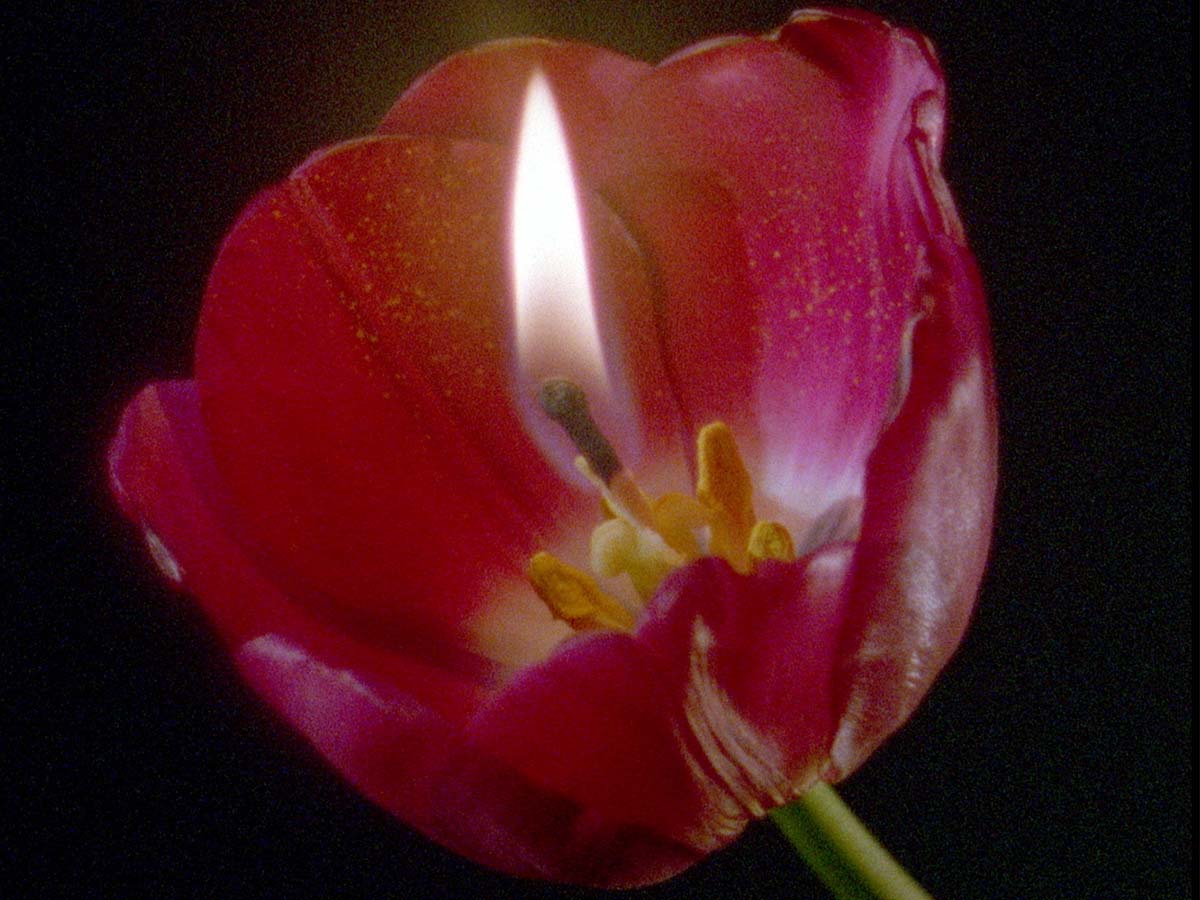
Spaces meant to nurture and contain promise control, yet something restless always slips through the cracks. In that quiet escape, their beauty starts to bloom. These films linger within enclosed worlds—one botanical, one psychological—revealing how care shapes the spaces we inhabit.
double bill #2
curated by Nina Rodríguez
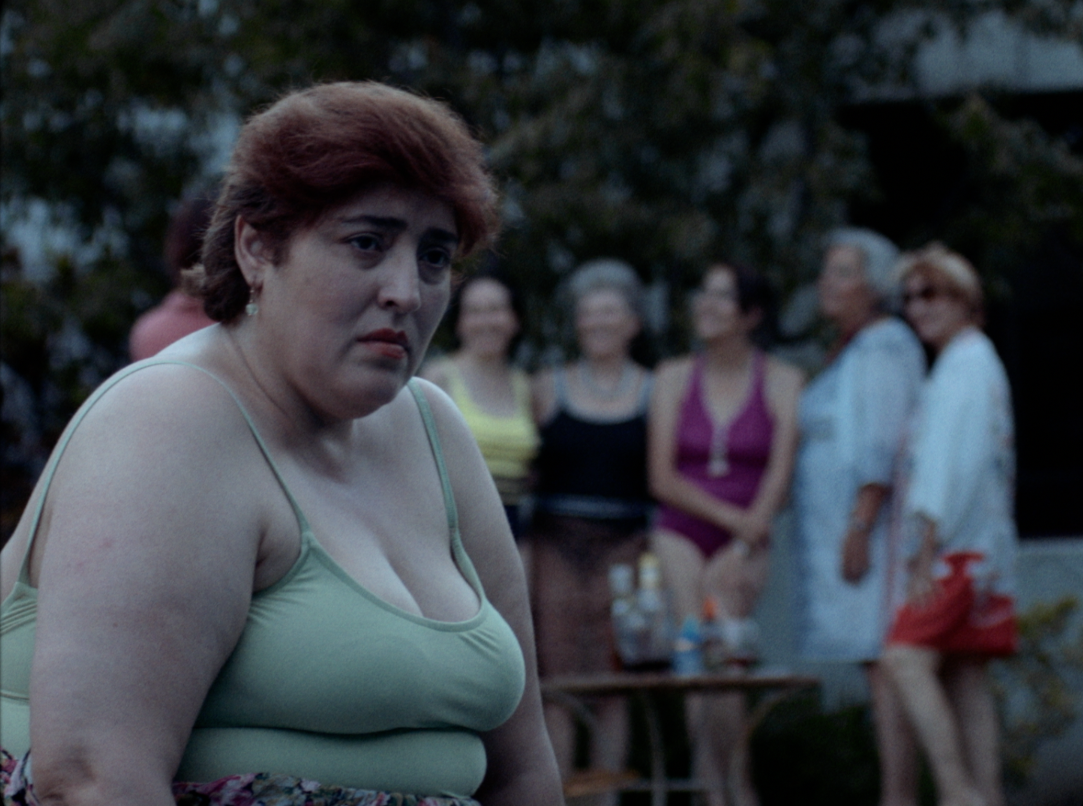
Carefree tans and fleeting romances: we hold great expectations of a cinematic summer. Nevertheless, seasonal gloom blooms in The Summer Movie and Under the Sun. Diving headfirst into the aftermath of divorce, both films meditate on sunlit grief—on the road to Marseille, and down in Mexico.
double bill #20
curated by Dora Leu
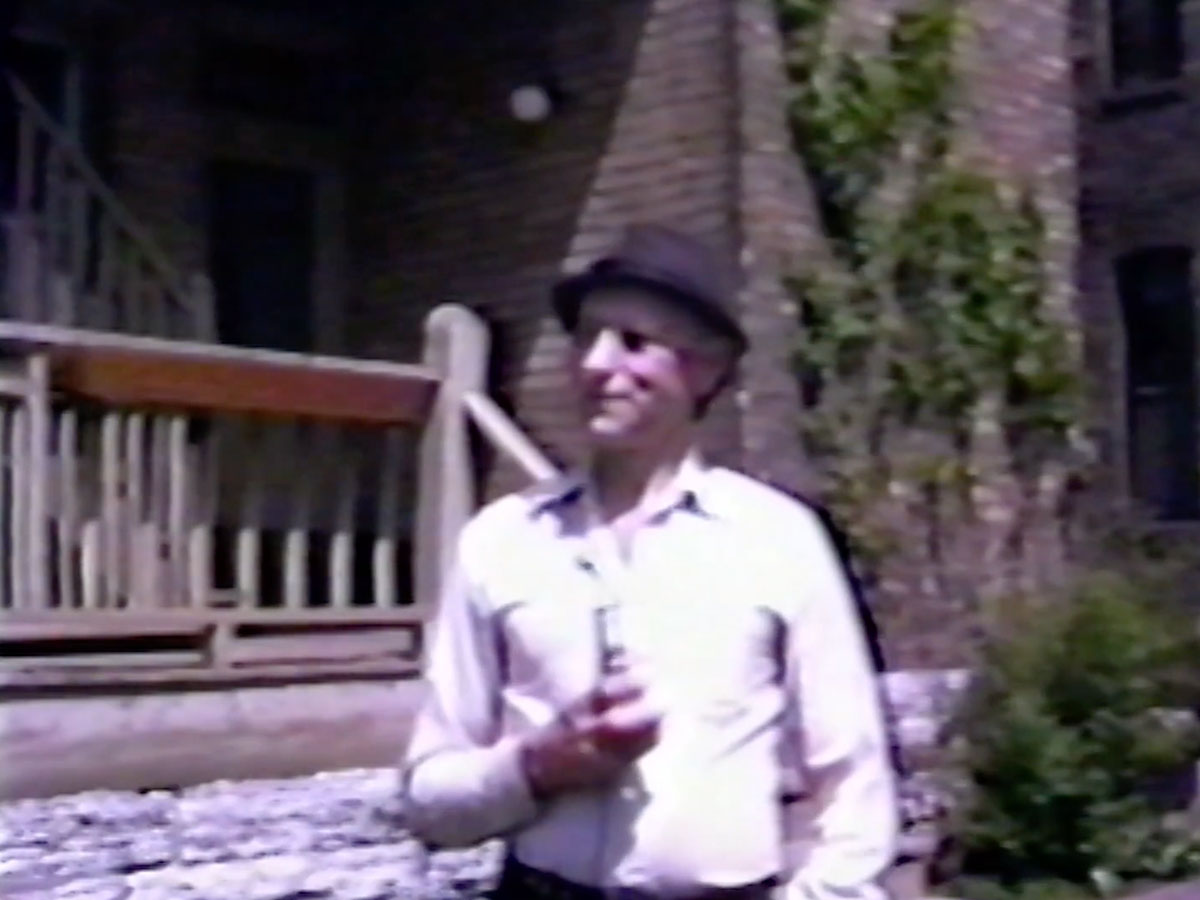
In video diaries, life is both lived and observed. The camera becomes a mirror, reflecting a performance of the self in time. The found footage in Olivia Rochette’s and Gerard-Jan Claes’s Because We Are Visual amplifies what Jonas Mekas captured in his Self-Portrait decades earlier: our desire to transform the mundane into something lasting.
double bill #21
curated by Jacqueline Nsiah
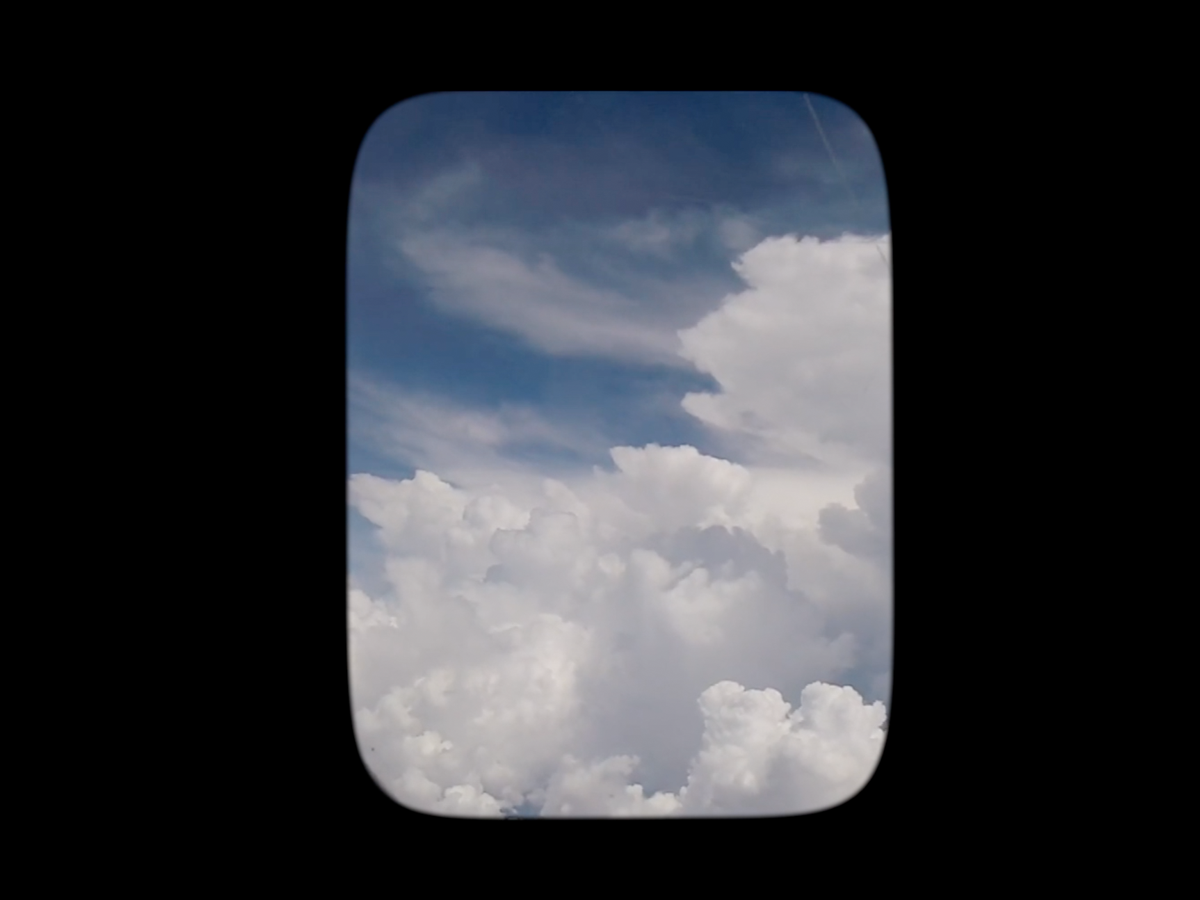
Some journeys start with hope, only to be stormed by forces that seek to contain them. Old Child and The Stopover trace when freedom is delayed—yet endures. Together, these works reveal how borders carve themselves into the psyche, and how the act of remembering—and of bearing witness—becomes its own form of resistance.

double bill #22
curated by Anouk De Clercq
When the ground beneath us becomes unreliable—whether through catastrophe or perception—our sense of certainty begins to fray. Some worlds tilt slowly; others flip all at once. Together, On Its Way Down and Tony Hill’s Downside Up reveal how instability reshapes perception—how, when the world tilts, we must relearn where to place our footing.
double bill #23
curated by Noor Abed
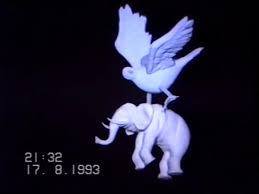
Some futures feel close enough to touch, yet remain suspended just beyond reach. Together, these films explore how identity forms in the gap between the world as it is and the world as it is imagined.
double bill #25
curated by Yun-hua Chen
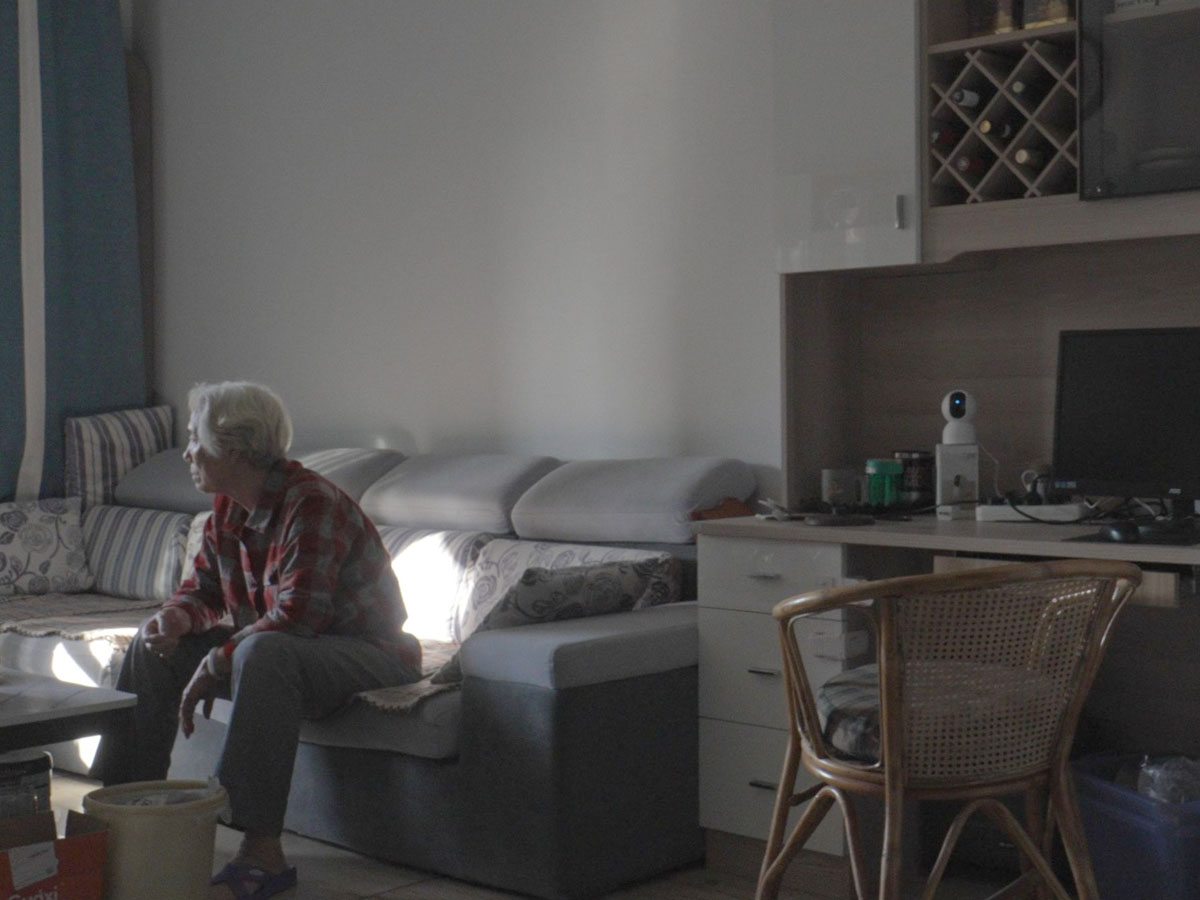
At times, we can get caught in a world of almost. We arrive home yet feel as if we are not fully there. We keep a secret from those who know us best. Together, these films show how identity is woven from what we say, what we hide, and the spaces in between.

double bill #27
curated by Nikita Diakur
In Anton Cla’s Cyclepaths and Dimitri Venkov’s The Hymns of Muscovy, time is cyclical rather than progressive, and cities are reimagined as unstable, self-referential environments. Both films examine how systems outlive the individuals moving within them.

double bill #28
curated by Farah Hasanbegović
While A Letter to Mohamed invites closeness through attentive observation, Saif Alsaegh’s The Motherfucker’s Birthday insists on distance through irony and confrontation. Together, the films suggest that comedy—whether subtle or corrosive—is a vital tool for navigating political upheaval.
double bill #29
curated by Flavia Dima
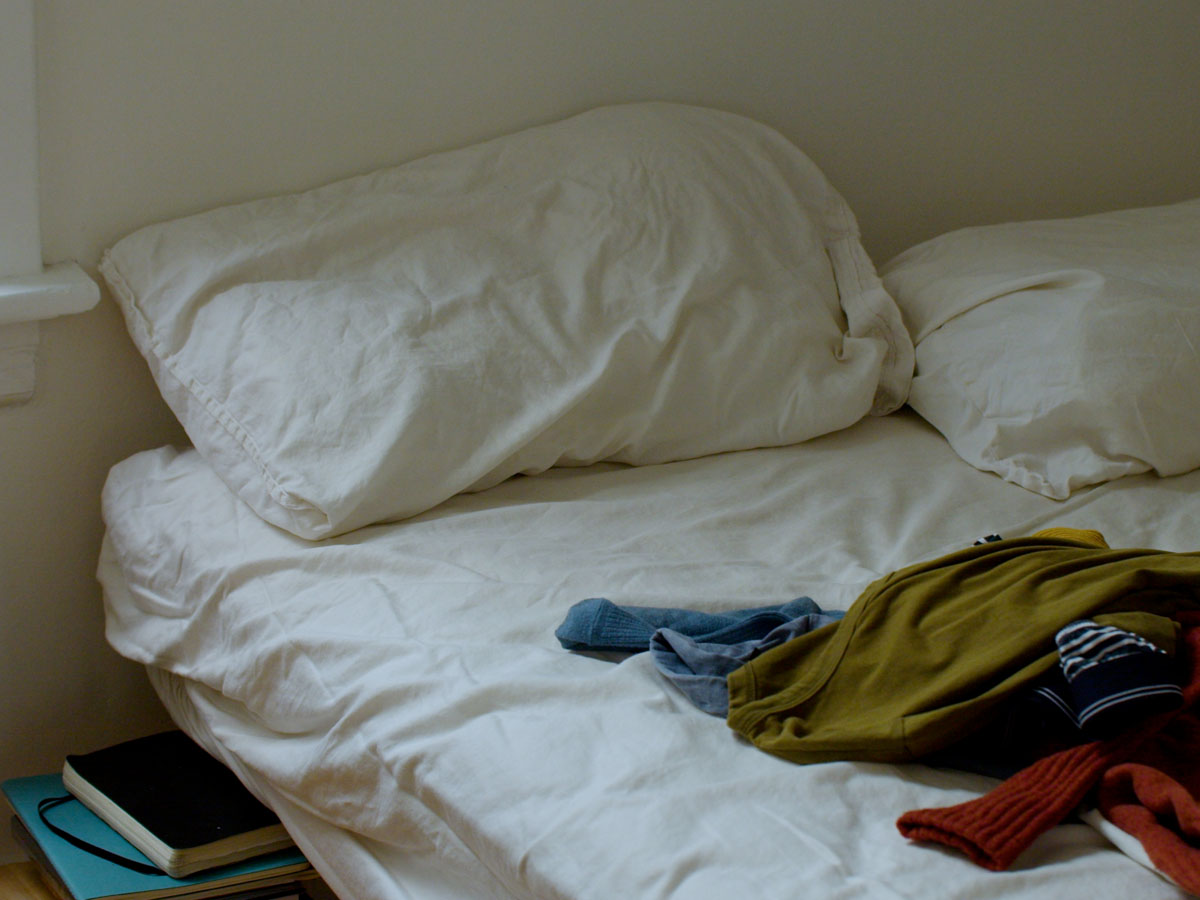
Across all works of art, there seems to be one common denominator, as if every song, film, or poem can be boiled down to one simple word: love. Both Felipe Casanova in Loveboard and Martí Madaula Esquirol in The Living Wardrobe present this in a new light, exploring intimacy as something mediated rather than directly expressed.

double bill #3
curated by Aleksandra Ławska
Where Ibro Hasanović films those who bid farewell, Stefan Kruse Jørgensen reveals how their images return: circulating endlessly, stripped of intimacy. Together, these works trace the migration of bodies and their representations. One mourns the loss of presence; the other interrogates its excess.
double bill #30
curated by Jelena Radić
Placed side by side, the films expose a tension between interpretation and exposure. One, Joke Van den Hof’s Mamada Perdida, invites the viewer to decode sexuality through imagination, the other, Flavia Regaldos In Curves Notes_Stream, insists on its undeniable materiality.
double bill #31
curated by Myriam Mouflih
Baking bread and tending a garden may seem quite mundane, but these acts can also tell a story of intimacy: a kind of understanding passed down from our mothers and fathers. Dhiaa Biya’s what else grows on the palm of your hand? and Hannan Jones’s Working Knowledge of Ritual both reveal young women seeking guidance from their ancestors.
double bill #4
curated by Ana David
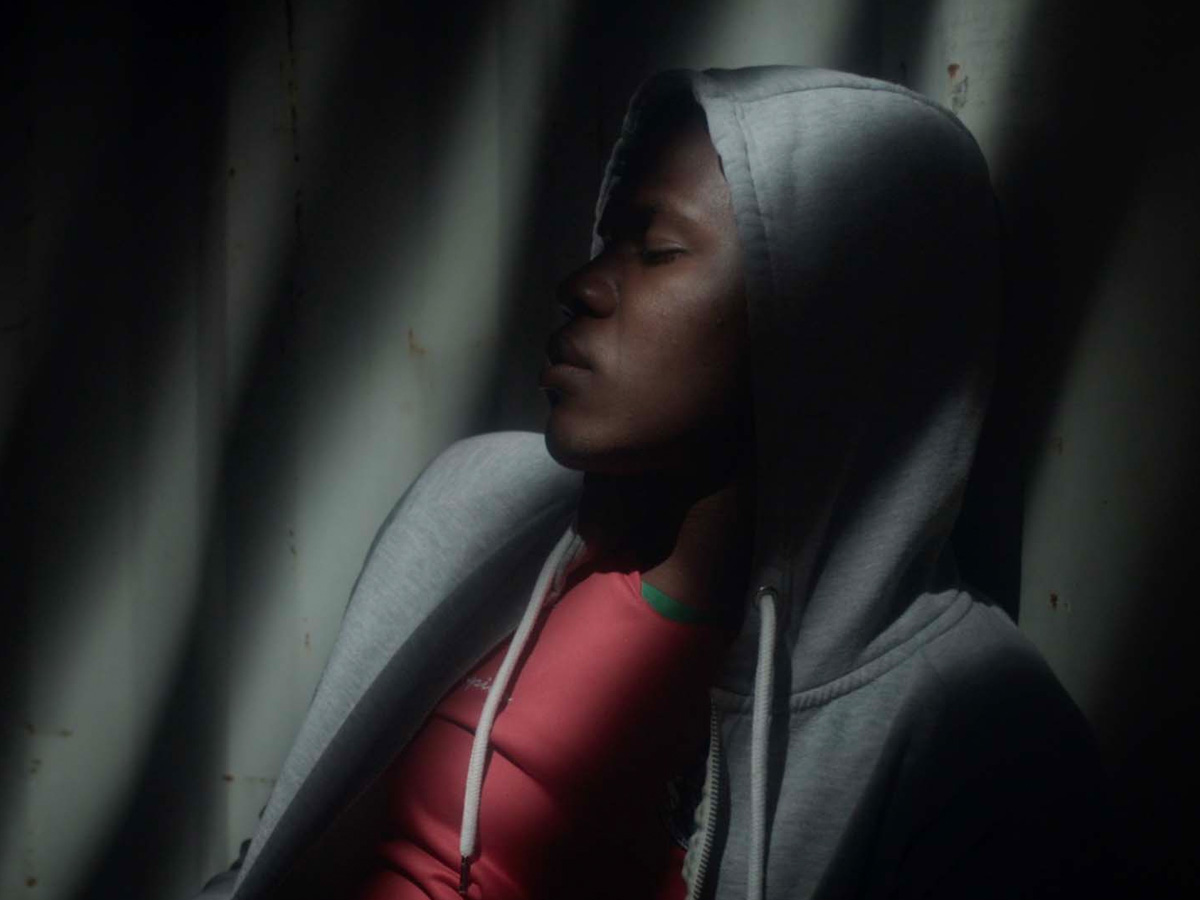
The invisible—whether a body denied asylum or a journey that must remain unseen—is at the core of these films. Within enclosed spaces, the camera is a tool for defiance: to remember, to imagine, and to hold space for those still fighting to be seen.

double bill #5
curated by Ren Scateni
In All We Ever Wanted Was Everything and I Am Good at Karate, adolescence drifts between boredom and adulthood. Both films remind us that youth is also about inhabiting the moment—drifting, waiting, and daring to dream of what might come next.
double bill #6
curated by Valentina Giraldo
This double bill immerses us in that delicate border between body and world. In Água e Sal, Luisa Mello captures a floating body drifting between continents and consciousness. Juan Francisco Rodríguez, in Borde de nieve, listens to the slow exhale of vanishing snow in the tropics.
double bill #7
curated by Émilie Poirier
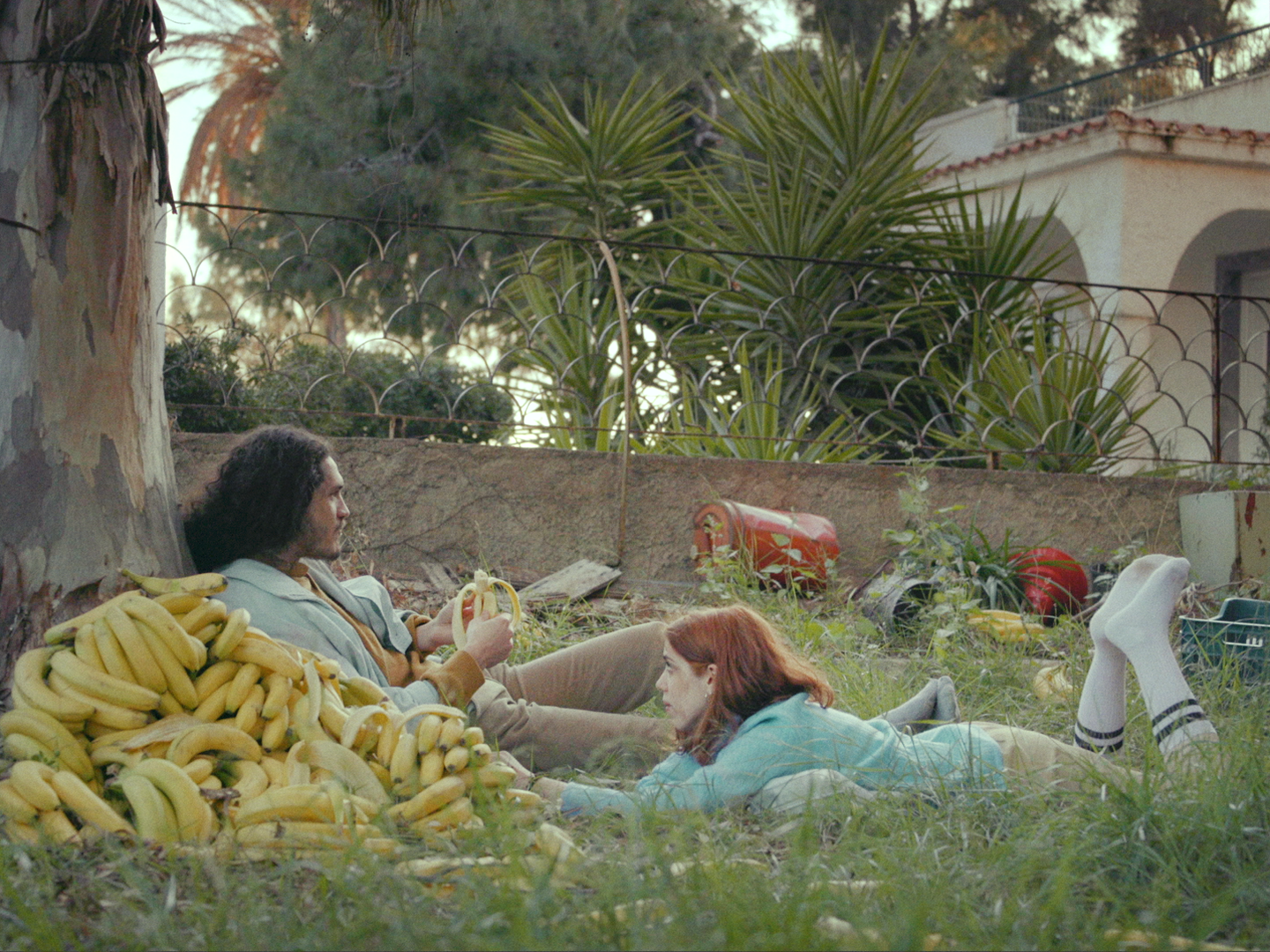
For many in their youth, waiting becomes a way of living. In Waithood, Louisiana Mees-Fongang captures a generation wandering across Athens’s rooftops, caught between exhaustion and desire. In Copa-Loca, Christos Massalas drifts through another kind of ghost town: an abandoned summer resort.
double bill #8
curated by Sanghoon Lee
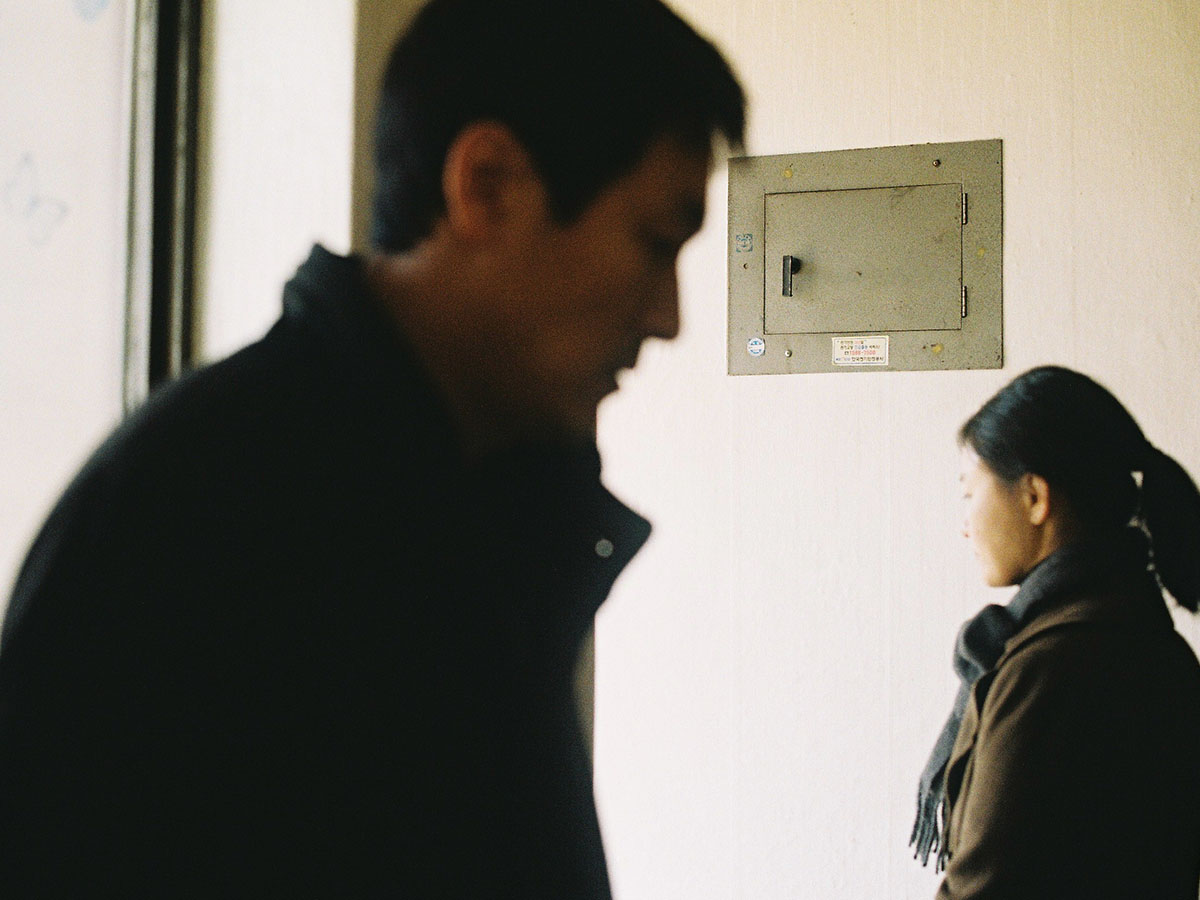
What makes a self? Is it memory, environment, or connection? Juanita Onzaga’s The Jungle Knows You Better Than You Do and Lee Kyeong-won’s Nowhere Else explore this question, seeking the line between who we were and who we become.

double bill #9
curated by Diego Armando Aparicio
What festers beneath the skin, boils over, and leaves scars in its wake. Yet with the help of those brave enough to bring it to light, it persists—and resists. These filmmakers reveal how trans survival relies on remembrance and reinvention—on refusing to let the world decide who is allowed to exist.