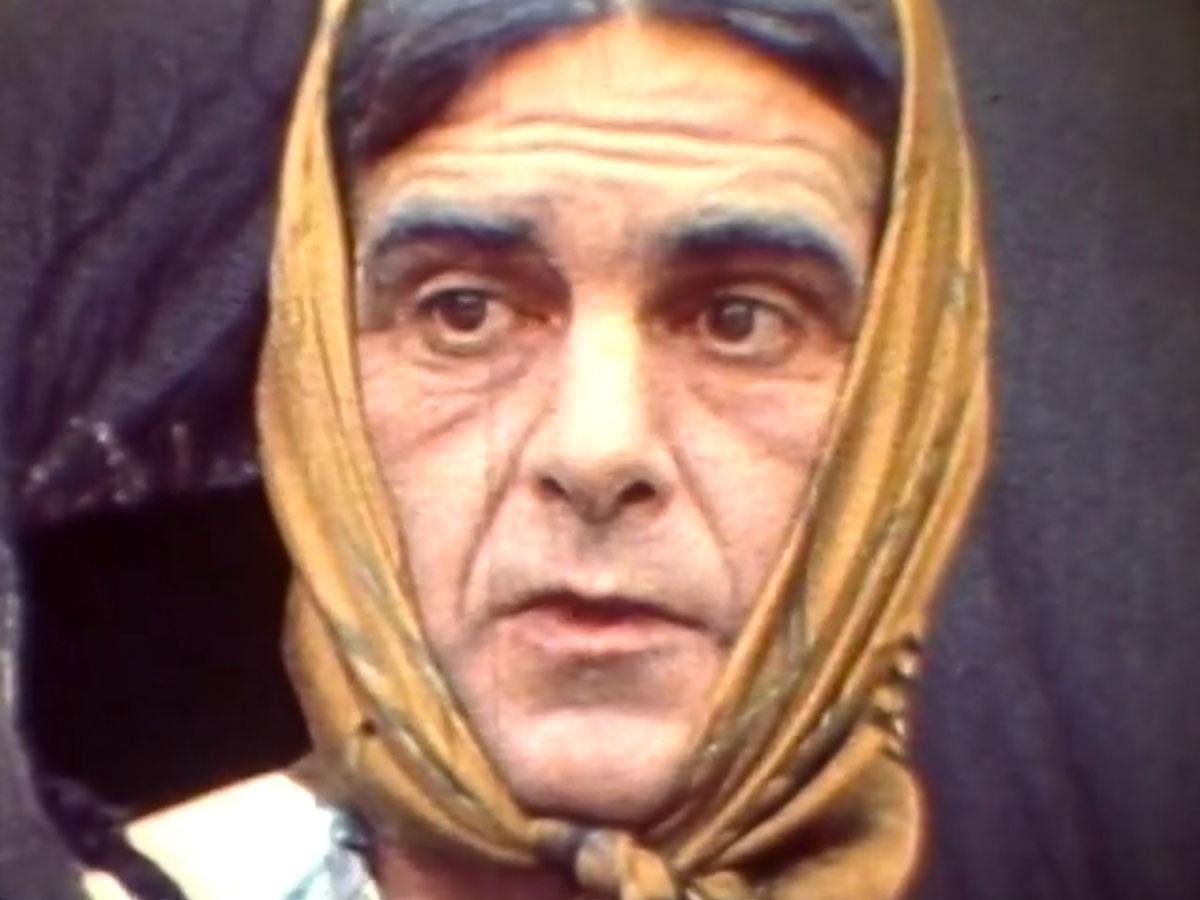
This experimental animated film delves into feelings of loss and helplessness, remnants of a traumatic experience. The emotional wounds are visually translated into a pulsating presence that embodies a dark and disturbing image of femininity.
Marthe Peters seeks in her beloved cat Henry something soft and tender to inhabit, a little fur to retreat into. Between bedsheets and freckles, a love declaration emerges. An ode to the intimate worlds where we learn to live and to rest.
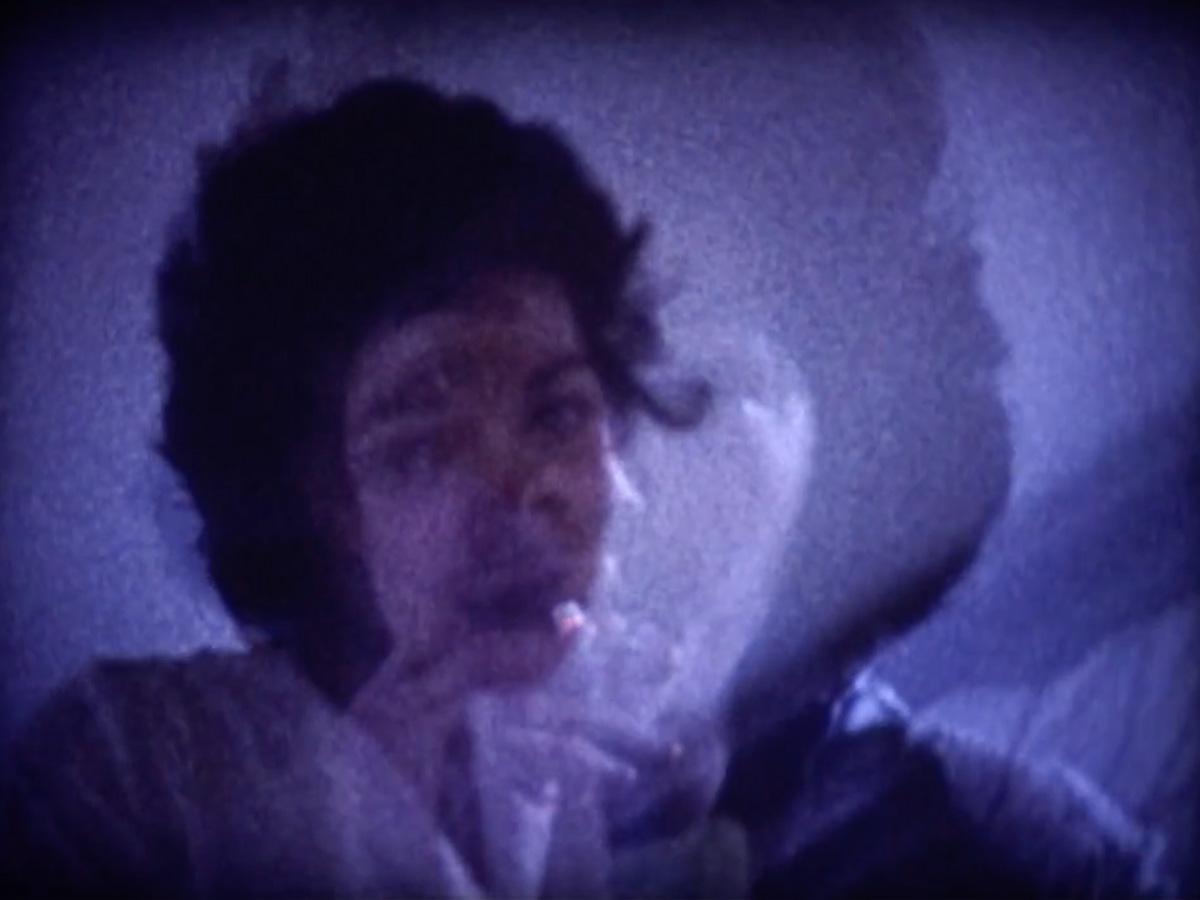
Through the lens of her father’s camcorder, she looks back on a period she can no longer remember. Twenty years after surviving childhood cancer, she searches for traces of illness between scars and desires.
Long still frames, text, and sound are woven together to unfold the narrative of an anonymous group that fills its time by plotting distances. Innocent measurements give way to political ones, examining how image and sound communicate history.
After managing to scrape together money to pay for an abortion, the director decides to celebrate with a party. In attendance are her geriatric ska musician neighbor, semi-retired gang affiliates, her gay roommate, and ever-present bedbugs.
In this fictional epistolary film, writer Marguerite Duras, a member of the French Resistance during the Second World War and partner to a Holocaust survivor, uses her titular alter ego to voice a deeply personal grief.
Rana Nazzal Hamadeh’s colourful, low-resolution imagery searches for indigenous plants, ravaged by settlement colonialism. More than a condemnation, Hamadeh’s docu-essay feels like a reappraisal of the (political) power that lies within crops like deerhorn and sumac.
The endearing observation Spaghetti Aza paints not only the portrait of a sleepy boy but also, indirectly, of two doting parents. A one-minute home movie by Ken Jacobs, a pioneer of the American avant-garde film of the 1960s and ’70s.
The routines of two women fuse together over time. One is busy with her bread, the other with her memories. Their similar gestures, repeated again and again, slowly unfold the special bond that unites them.
By interweaving esoteric texts and images, Working Knowledge of Ritual underscores the interconnectedness of spirituality and nature. The film muses on our energies alongside the natural world, inspired by the writings of Leonard Jones.
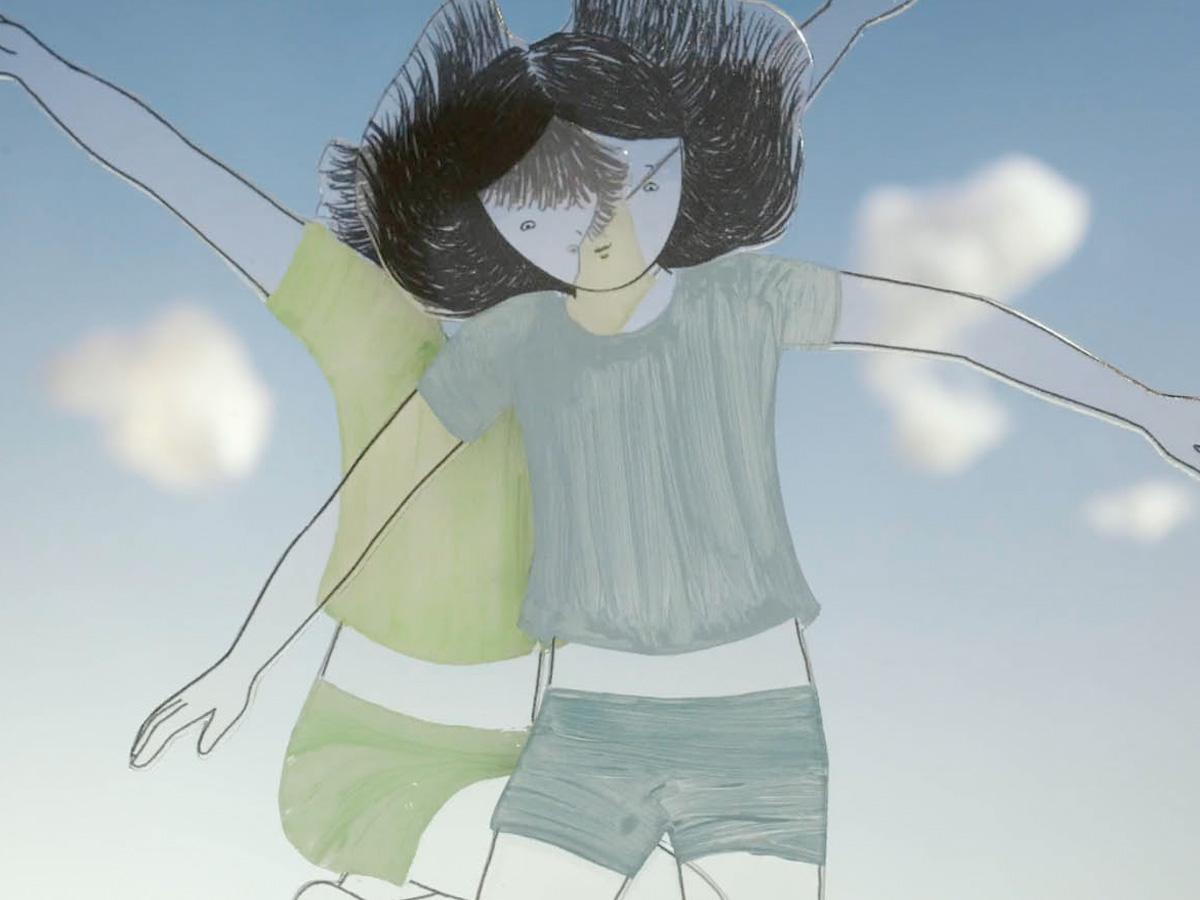
Inseparable best friends spend their last summer holiday of childhood amusing themselves around the house. As summer progresses, their bodies start to morph and shift, and an awkwardness descends on their friendship. Puberty seems determined to interrupt their bond.
Through a mix of stop motion and long takes, Vukica Đilas compiles an encyclopedia of the mundane, spanning almost thirty years and filled with memories of loved ones, travels, and sociopolitical sidelines. Her observations are like those of a child, awed by her surroundings and the details they reveal.
Three years after the publication of Marguerite Duras’ children’s book Ah! Ernesto, Jean-Marie Straub and Danièle Huillet pull the titular protagonist from its pages for an unconventional retelling of the short story.
Artist Eva Giolo films her friends in their own homes and asks them to perform a few simple actions: gestures that reflect the fragile balance of everyday life, and, at times, become more aggressive. A cinematic poem in response to the global pandemic of 2020.
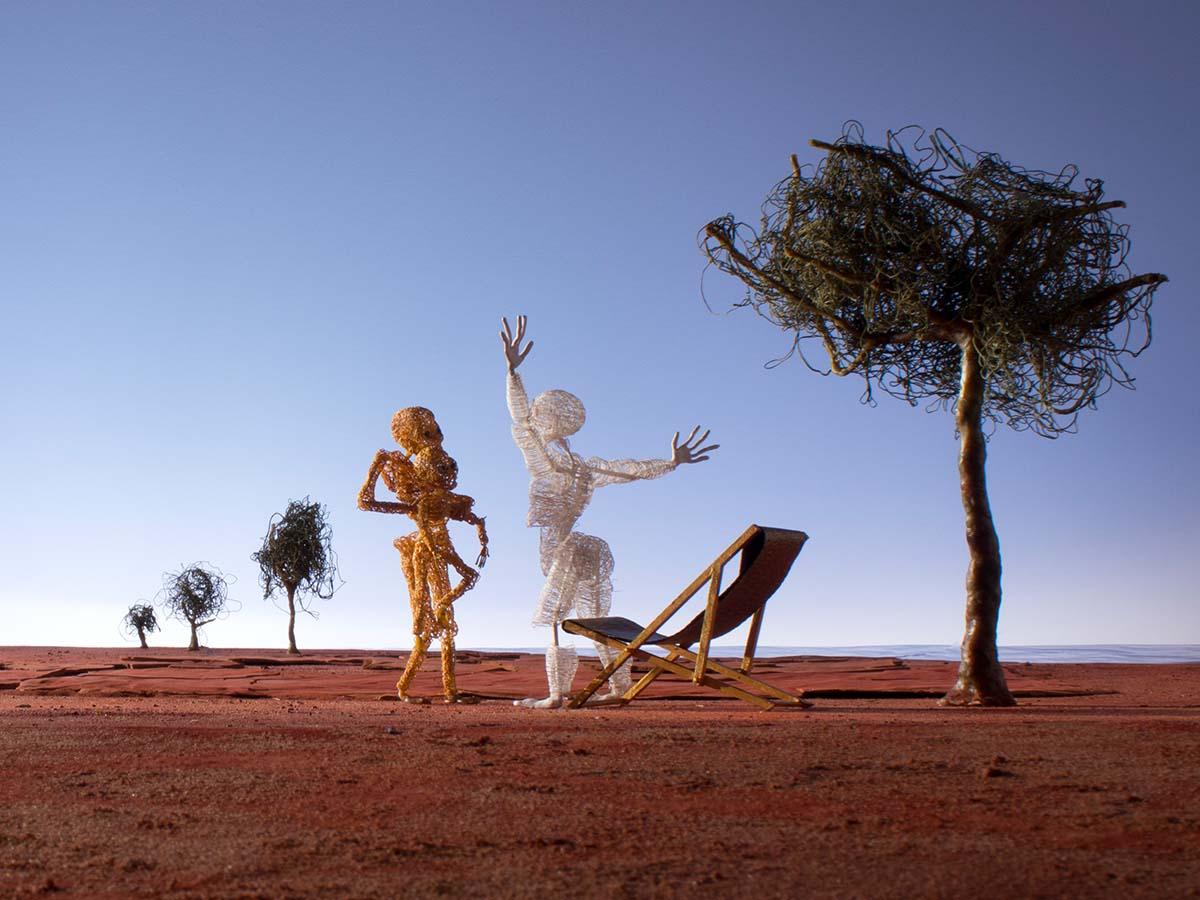
People are heading for a better place on either side of the ocean. Although their paths do cross at times, they never really seem to meet. Paradise is a light-hearted yet critical reflection on the ethics of tourism.
Obtaining official documents is a symbol of coveted freedom and security for migrants. But how do you navigate the administrative labyrinth? This film explores the relationship between identity, race, and European bureaucracy.
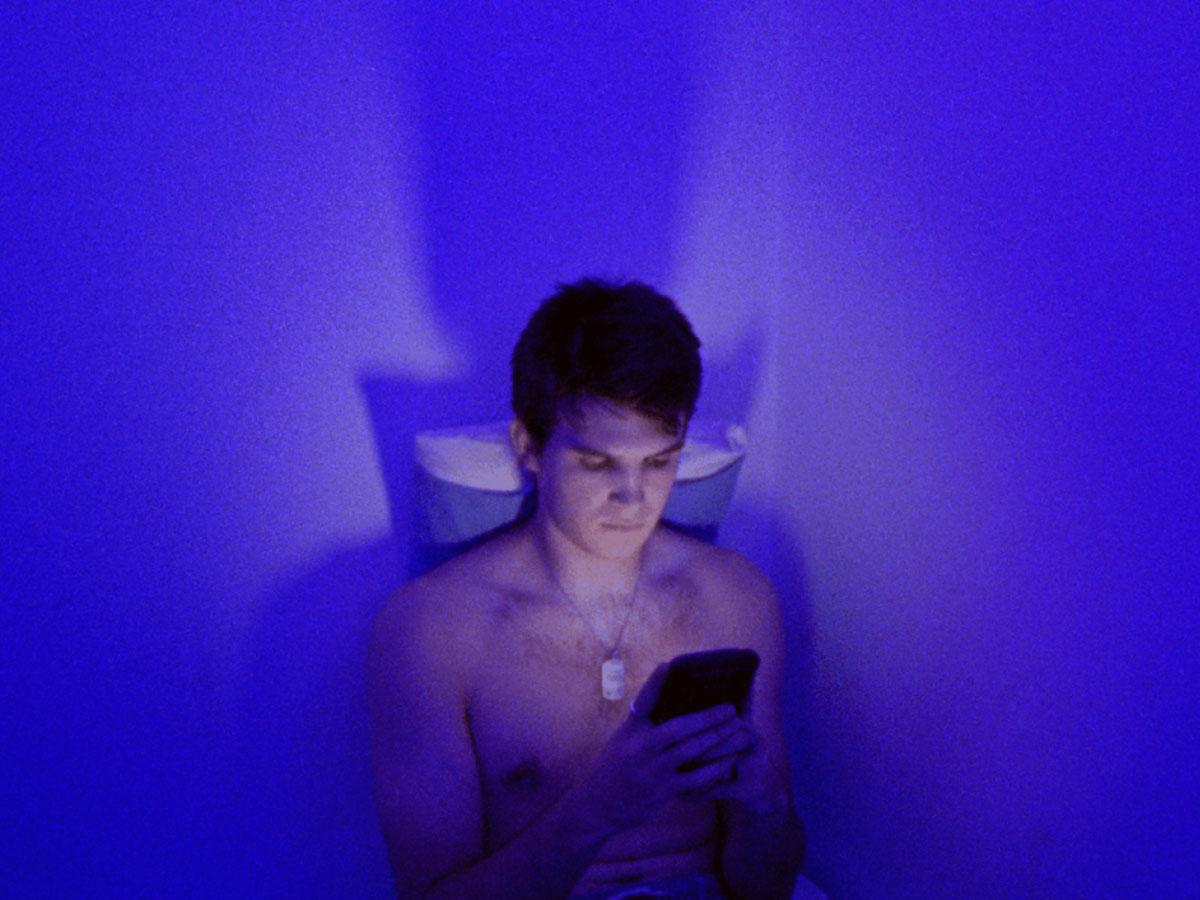
Pol Gasco Robles is enchanted by the golden mountains that tech capitalists and crypto bros promise him online. Material luxury is not a by-product of success, but a goal in itself. Gala Hernández Lópezasks him critical questions.
Immersed in the community of artists and local residents on the island, Nicola L. approached Ibiza as a living landscape, shaped by mythology and shared experiences. In Les têtes d’Ibiza, fiction and documentary flow seamlessly into one another.
After twenty years of silence, filmmaker Olga Lucovnicova returns to her great-grandparents’ home, where she endured traumatic experiences that left a lasting impression on her memory.
This video diary depicts a young woman’s flat, the fears and fantasies about her body plainly revealed as she wakes up with a bloated face, full of self-loathing after a night of compulsive over-eating.