In 1998, Nike launched an ad series, “What If We Treated All Athletes the Way We Treat Skateboarders?”, featuring parodies that portrayed runners, golfers, and tennis players being regulated and harassed for simply playing their sports.1 The quirky subversion of the public scrutiny skaters face reveals the brand’s ambition to enter the lucrative market of underground youth by showing it gets the community. Now considered iconic for its creativity, the campaign was received poorly by the skaters themselves at the time. Their skepticism toward outsiders’ image-making attests to the subculture’s anti-establishment values, which have long found expression in DIY practices of self-documentation.
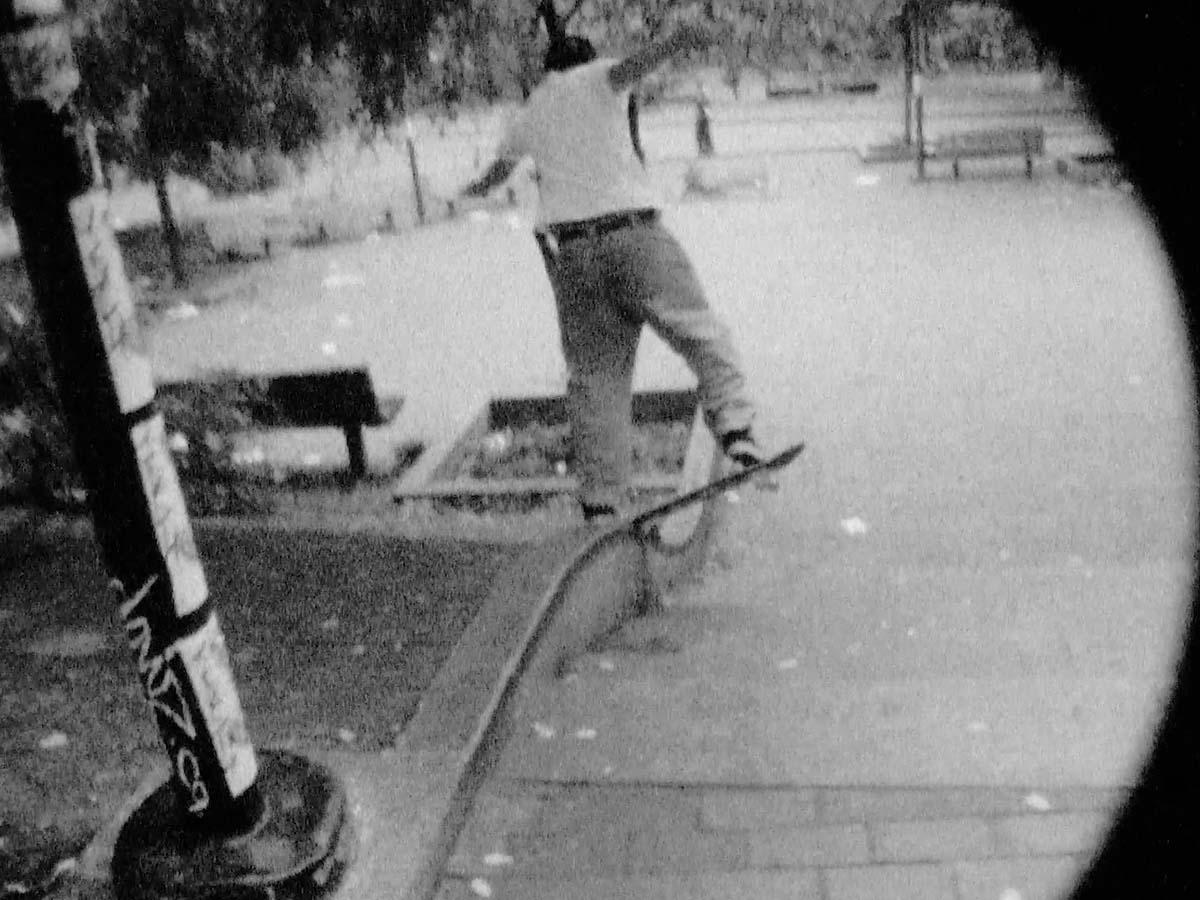
Brown Bag (Ari Marcopoulos, 2020)
In Search of Authenticity
Image-making in Skate Culture
essay by
14.11.2026
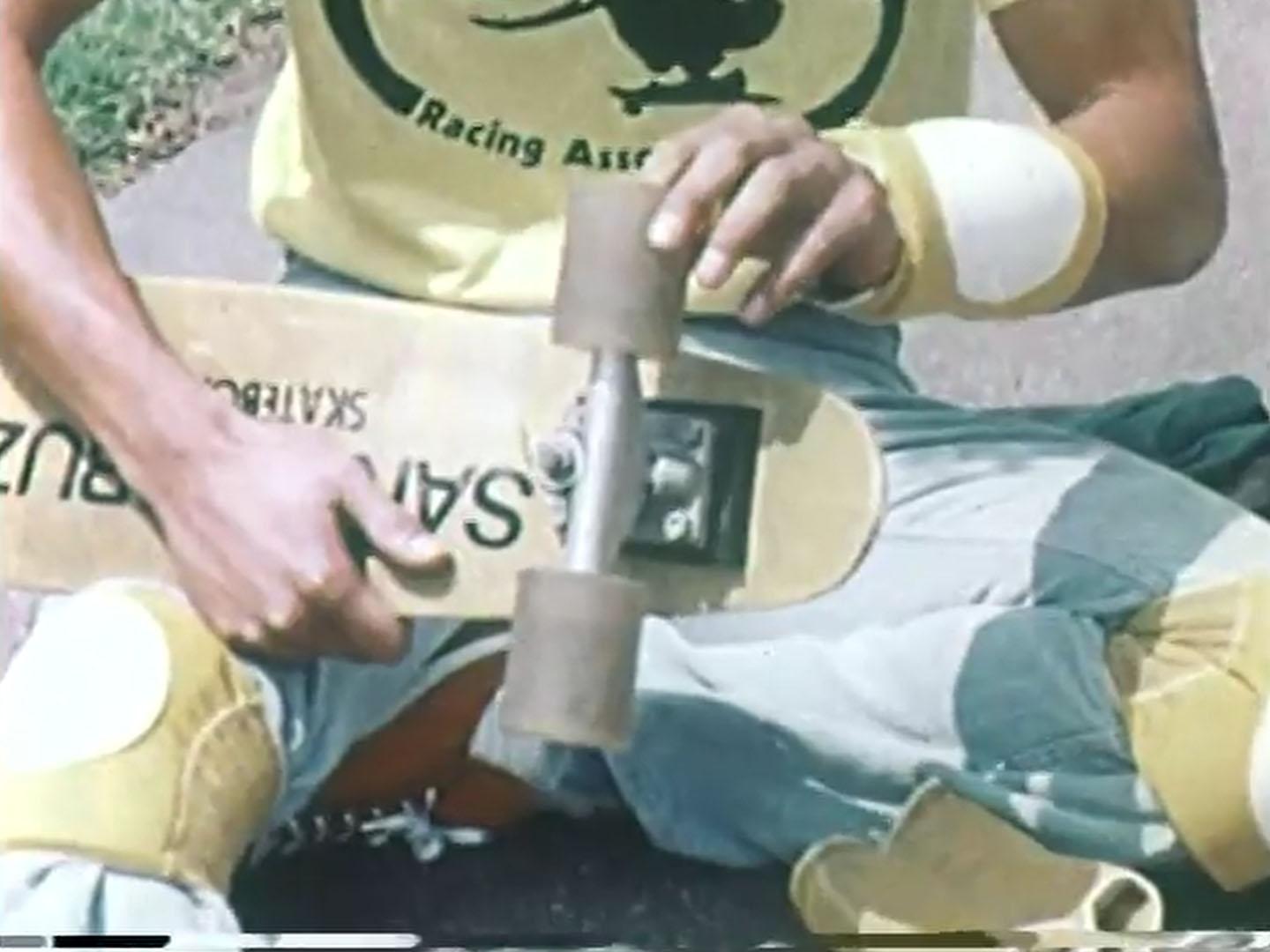
Skateboard Sense (Sid Davis, 1979)
Despite its celebration of individual progression, skateboarding culture remains deeply communal and convivial. Its emphasis on a non-competitive ethos means that one skates with, but not against, each other.
Tianyu Jiang
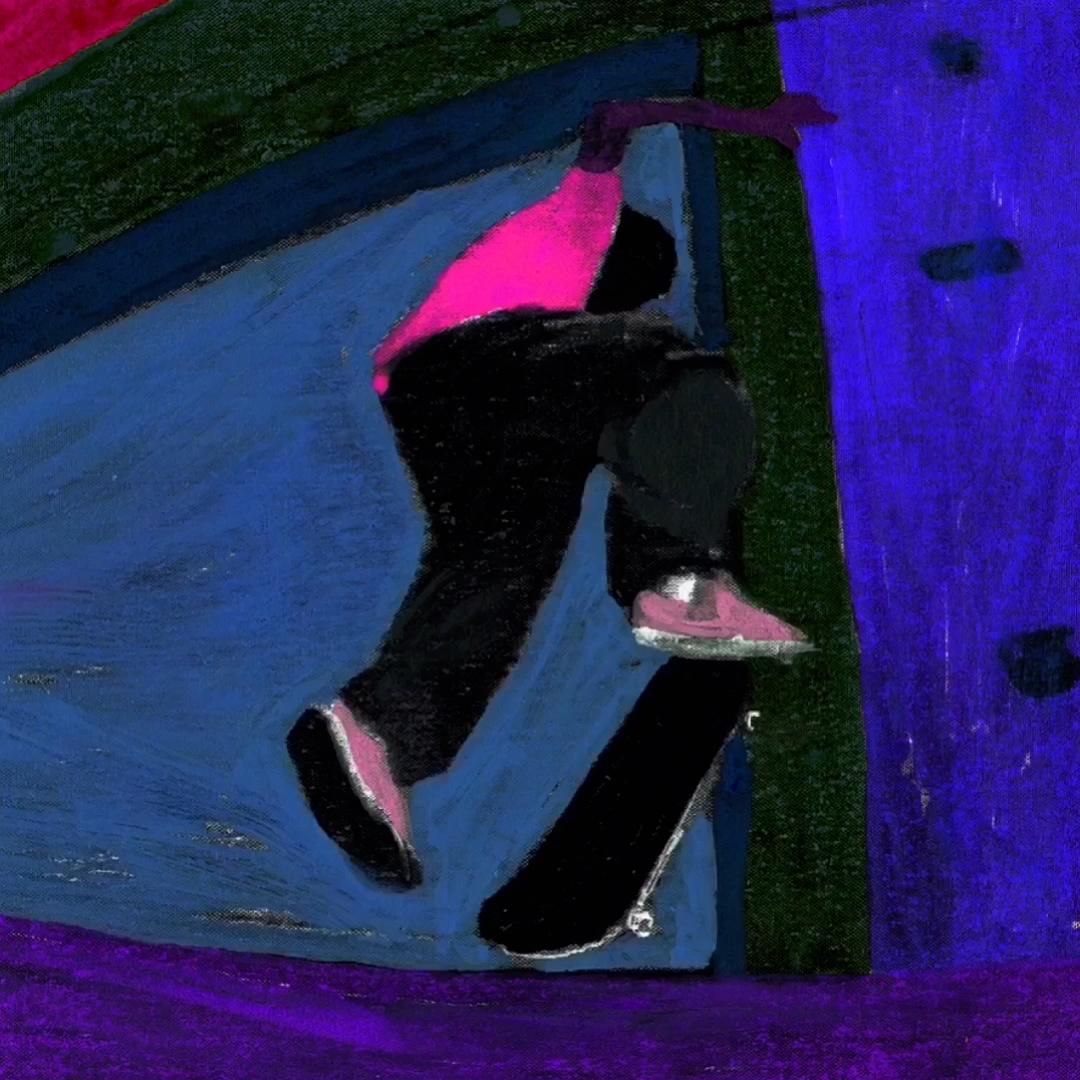
Together (Leon Washere, 2024)
Skateboarding, after all, is a narrative device. The authenticity historically and still associated with it rests on one narrow interpretation of masculinity, persisting among small-town boys, urban teens, and entrepreneurial male veterans. In a space where an “authentic insider” is imagined and re-enacted predominantly as male, nonconformity lies in disidentifying with the scene’s masculine-coded norms. The unapologetic, rat-holding female skaters in Danny Plotnick’s Skate Witches (1986), for instance, voice a punk manifesto against gatekeeping within the male-dominated scene.4 Considering the emergence of women and queer representation in the renaissance of skateboarding-themed popular visual productions, as seen in Crystal Moselle’s feature film Skate Kitchen (2018) and the HBO spin-off series Betty (2020-2021), alongside the dissemination of archival print and audiovisual materials unearthed by feminist DIY initiatives such as the Womxn Skate History project, there is good reason to hope for the long-overdue dismantling and queering of skateboarding’s performative masculinity.
- 1
Nike, “What If?” advertising campaign series, created by Goodby Silverstein & Partners (San Francisco, 1997/1998).
- 2
Becky Beal and Lisa Weidman, “Authenticity in the skateboarding world,” in To the Extreme: Alternative Sports Inside and Out (2003): 337-352.
- 3
Ayla Angelos, “Painting each frame by hand, Leon Washere talks us through his rotoscoping animation process,” It’s Nice That, July 17, 2020.
- 4
For the film’s backstory and its impact, see Natalie Porter, “The Skate Witches,” Womxn Sakte History, April 10, 2022.
This text was published to accompany the release of Trick Shots, yanco’s skate-film collection presented in collaboration with Brussels skate-hub and community Skatelab. This essay is also available in print as part of our limited-edition skate zine Trick Shots, in collaboration with the Brussels skate-zine collective Sluggish.