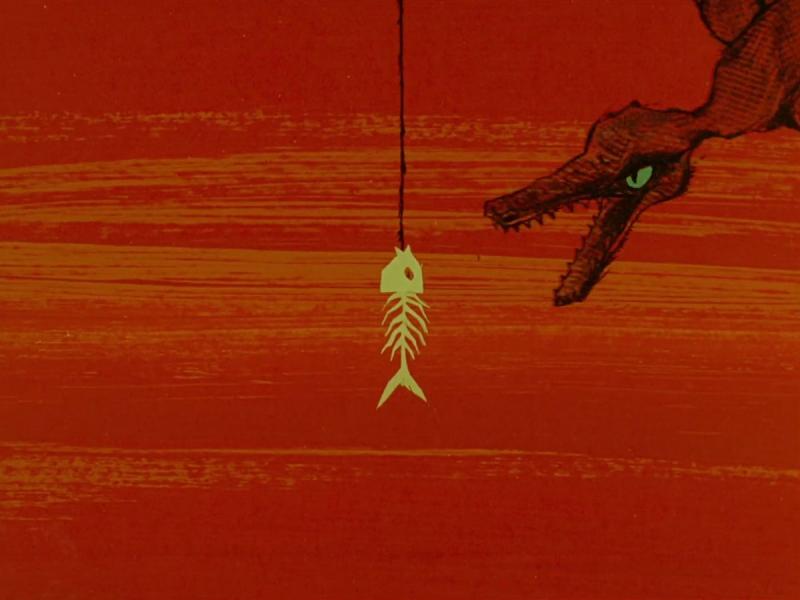
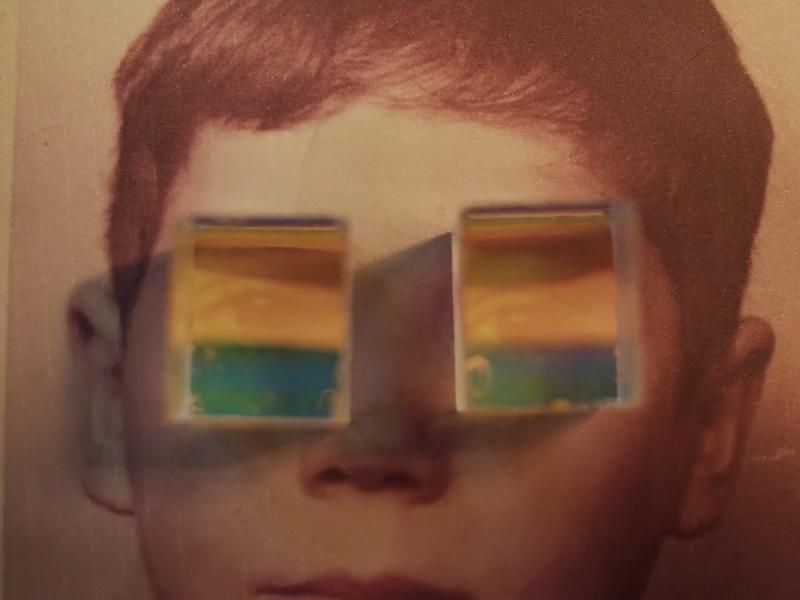
Between Schaarbeek and Evere lies La Friche Josaphat, a unique 24-hectare green space. It was once a marshalling yard for splitting and assembling freight trains. Today, it is one of Brussels’ last refuges for biodiversity. Rare fauna and flora are constantly threatened by property developers in an increasingly urban landscape. Countless petitions and citizens’ initiatives advocate for the preservation of La Friche as Brussels’ equivalent of The Zwin Natural Park. With underneath it flickers, filmmaker lau persijn (they/them) champions the site’s appeal and ecological importance.
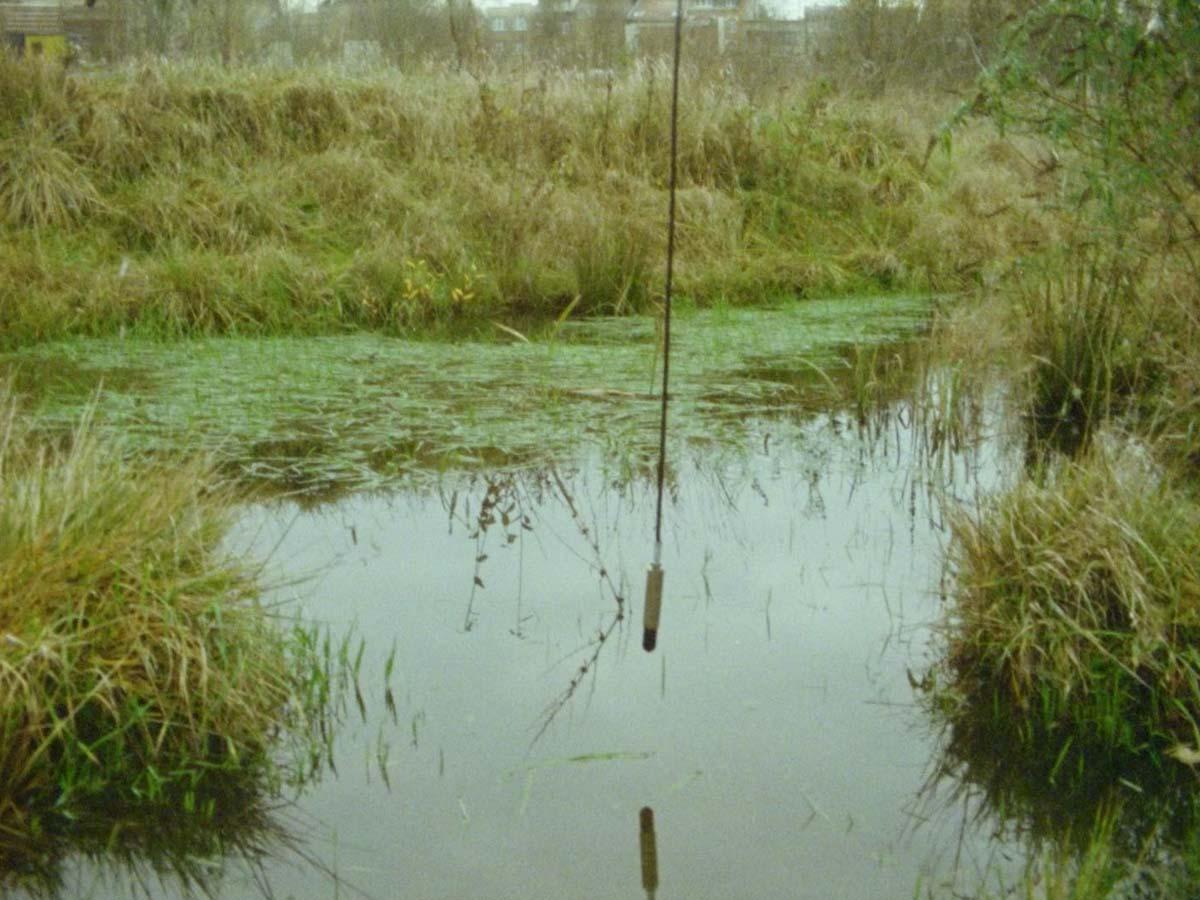
underneath it flickers (lau persijn, 2024)
Nature’s Whispers
lau persijn’s underneath it flickers (2024)
Persijn attempts to transcend the difference between the visible (above ground) and the invisible (below ground). Their work renders several visual processes audible, while the fragility of the physical film prompts us to reflect on the transience of La Friche. However, the process of degradation also gives the natural world a certain power, one that escapes the conventional human gaze.
To truly see and understand requires patience, especially when there is no common language. Just as linguists in Denis Villeneuve’s Arrival (2016) struggle to communicate with extraterrestrials, persijn searches for a way to converse with nature. Contact microphones are used to give the grass a voice, and by burying film developed at the filmed location, the film also seeks tactile contact. The spirit of the soil clings to the degraded image, which is unearthed after several weeks.
Just as in Emmanuel Lefrant’s Parties visible et invisible d’un ensemble sous tension (2009), persijn attempts to transcend the difference between the visible (above ground) and the invisible (below ground). Their work renders several visual processes audible, while the fragility of the physical film prompts us to reflect on the transience of La Friche. However, the process of degradation also gives the natural world a certain power, one that escapes the conventional human gaze.
By focusing on the cinematic interpretation of its setting, without losing sight of the specific urban environment, underneath it flickers becomes very universal. The film adds a courageous chapter in the book of anthropocene cinema and makes a powerful statement to the political world.