Adam Lewis Jacob’s Idrish (ইদ্রিস) (2021) dances between the present and the personal and political history of British-Bangladeshi community activist Muhammad Idrish. His longstanding opposition to deportation campaigns, beginning with his own, helps to understand both the anti-immigrant movement of the late 20th century and the resistance to it, at a time when echoes of these mechanisms resonate once again.
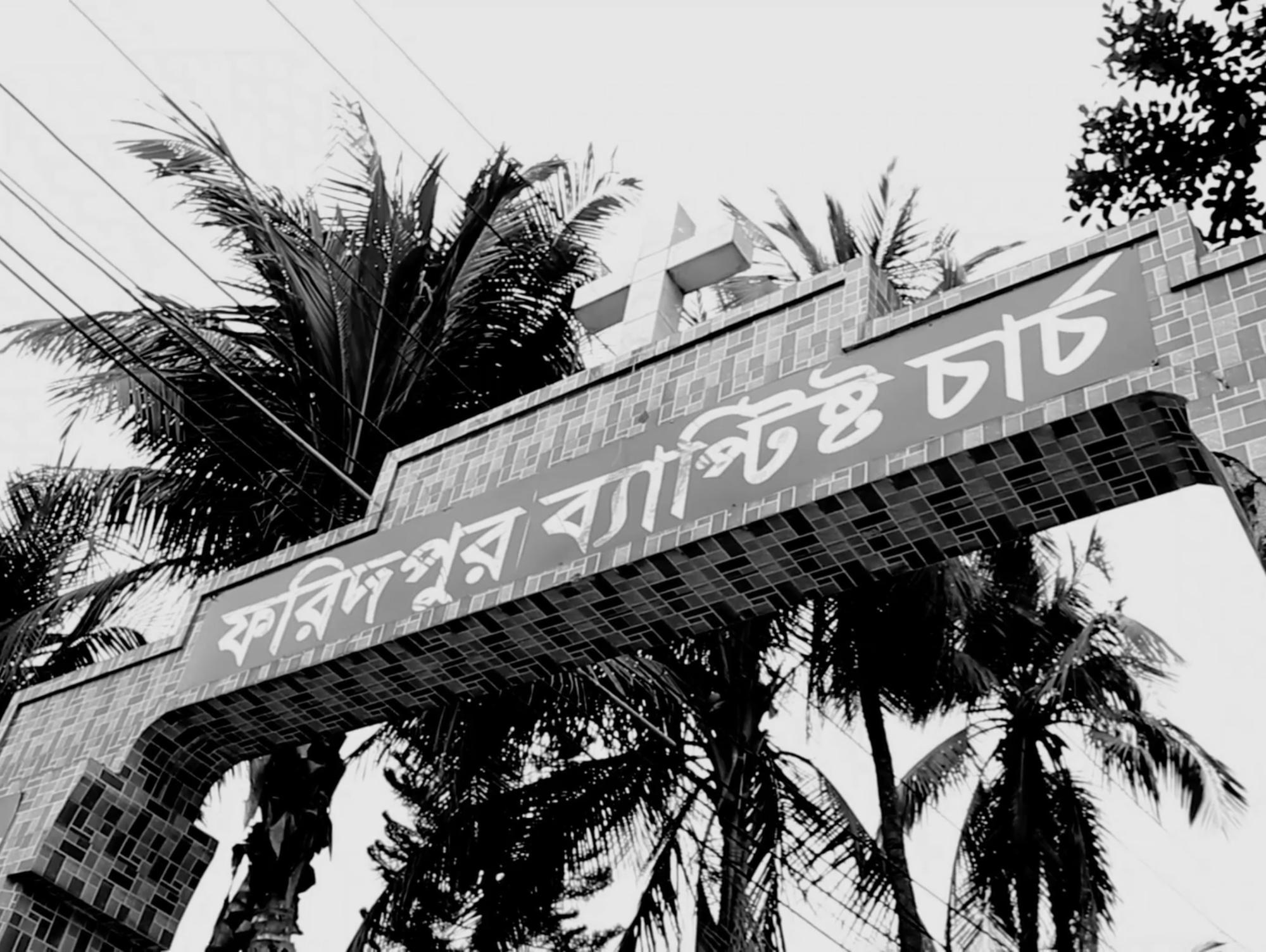
The film’s core is a body of archival footage documenting the titular man’s fights against deportation. Some elements are from mainstream media but the majority of the material, including newsreels and press clippings, are taken from the countercultural and activist media networks that documented Idrish’s campaigning from within. The urgency of the archival sequences is punctuated by scenes filmed in 2020 by Lewis Jacob on a visit to Bangladesh with Idrish. We follow him as he travels in a car, visits a university physics department, goes to the market and broadly, gets on with his day. The handheld, black-and-white shots have a casual, languid quality, reflecting a man who is now visiting the country of his birth on his terms and not through a forced return. Through this material emerges a fluid portrait that moves across the past and present of a campaigner, the life he fought for, and the movement he became part of.
The same week this conversation took place, masked far-right groups blocked roads in the port towns of Dover and Portsmouth, a further escalation of sinister anti-migrant sentiment that has been growing over the course of this decade. In this light, returning to Idrish’s campaign shows how gathering and presenting community video is a possible strategy to build solidarity against these movements.
How did you come across Idrish’s story and what first drove you to make a film around it?
I didn’t initially approach Idrish’s story because I was looking for a particular case through which to talk about deportation. I first came across him while working with Vivid Projects in Birmingham about the history of TURC Video [the video arm of the Birmingham Trade Union Resource Centre]. I found two videos that he appeared in. The first, Muhammad Idrish Must Stay, documented the campaign against his deportation and his fight to remain in the UK. The second was made almost a decade later and showed many people Idrish had subsequently and often successfully helped to remain in the country.
What initially stood out was Idrish himself—his charisma and conviction—but also the way his story extended beyond his campaign. His personal experience became the basis for helping others, so his story opened onto a much wider history of migration, solidarity and collective resistance.
Idrish and I became friends through the process, and at some point he asked if I would make a film about his life for his nieces and nephews back in Bangladesh, so that they could understand what his campaign had achieved. That request became an important starting point for the film.