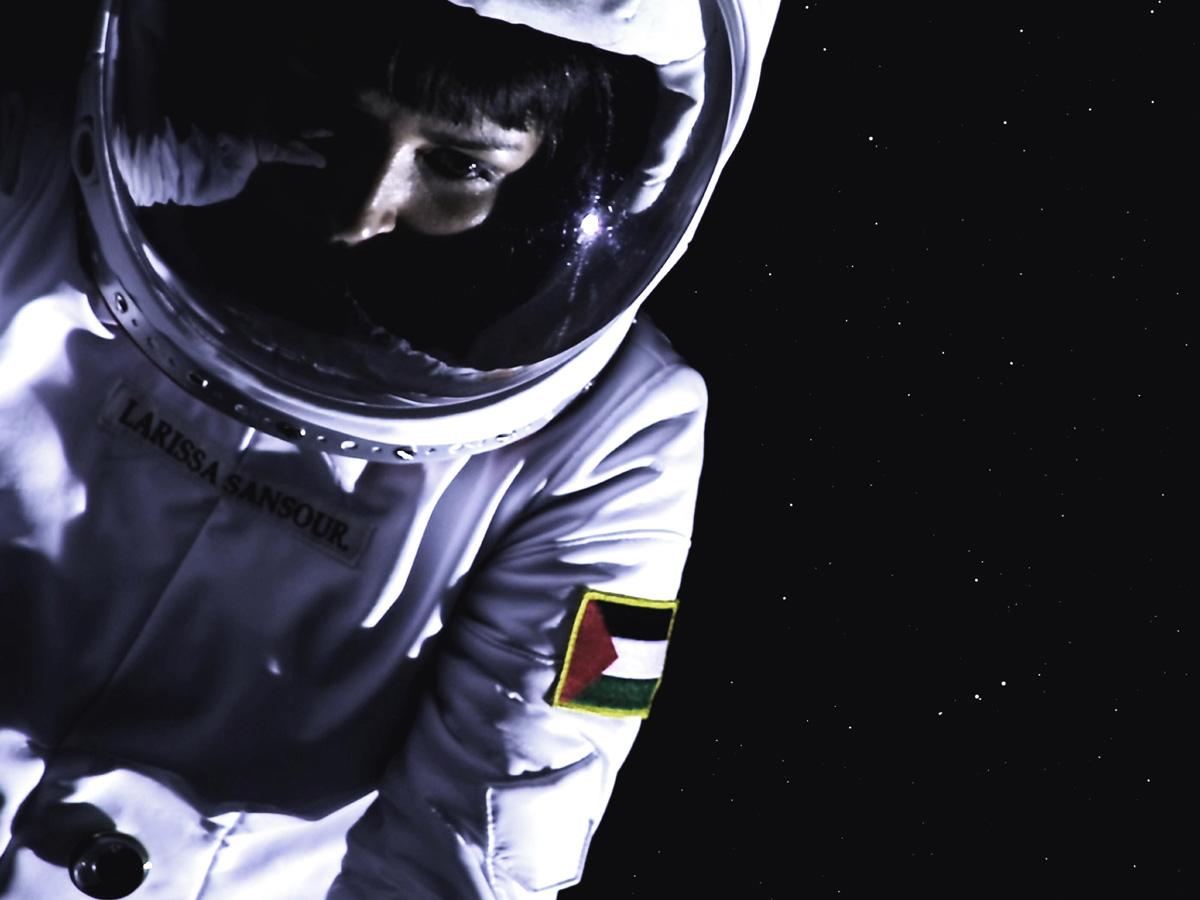
An exploration of the universe envisioned in Stanley Kubrick’s 2001: A Space Oddyssey. The recognisable music scores of the 1968 science fiction film are changed to arabesque chords, and surreal visuals reflect on the idea of a first Palestinian in galactic space.
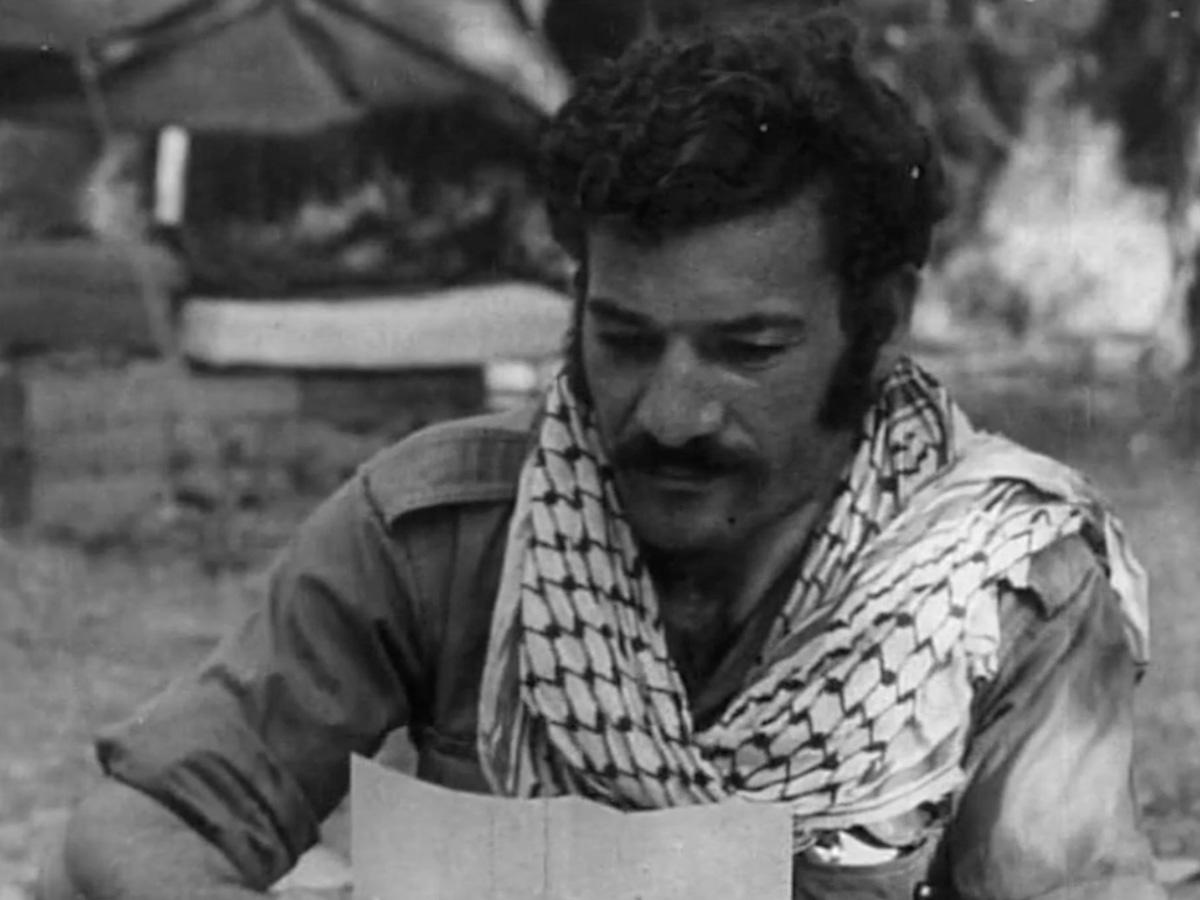
A landmark in Palestinian revolutionary cinema: Mustafa Abu Ali, co-founder of the Palestine Film Unit (PFU), depicts daily life in the Nabatia refugee camp in southern Lebanon.
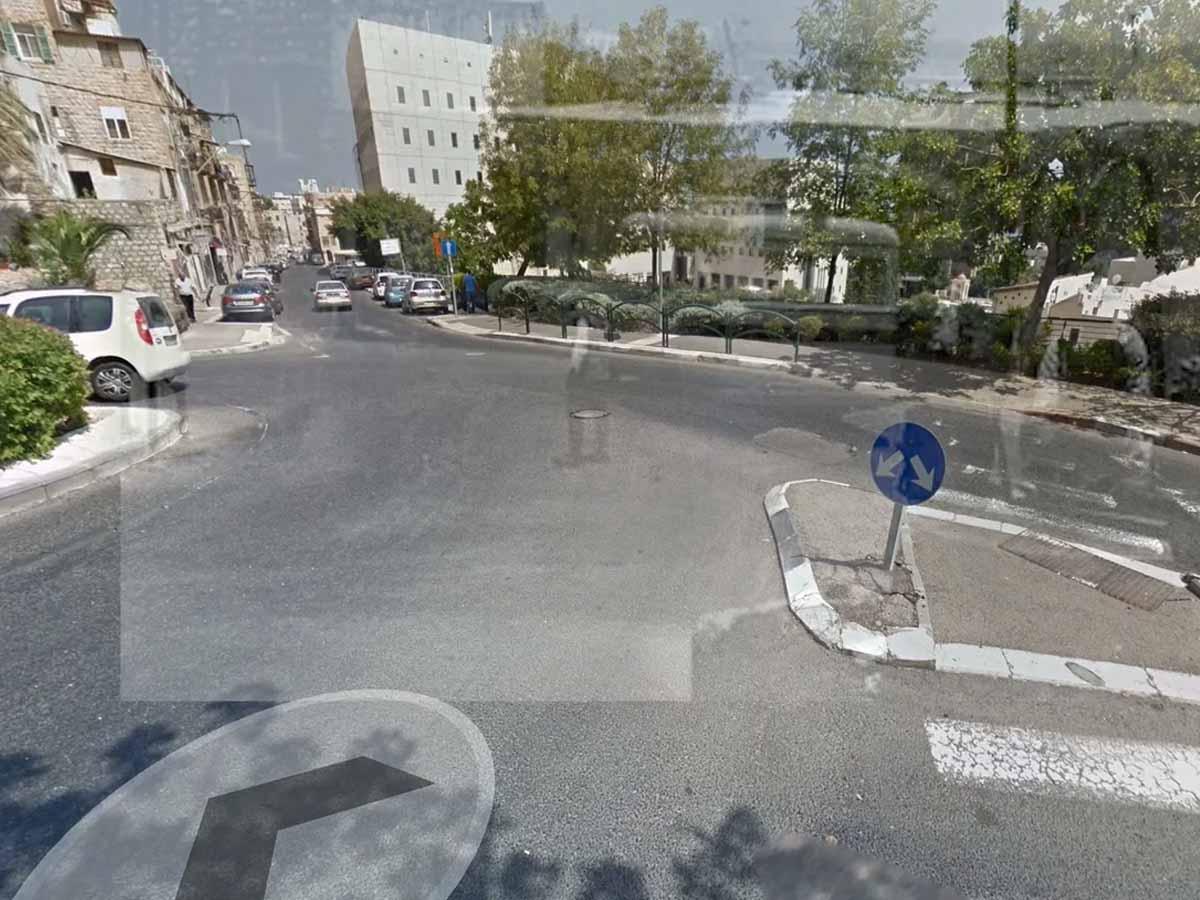
Een Palestijnse grootmoeder keert terug naar haar geboortestad Haifa, waar ze het landschap verkent op de enige mogelijke manier: als een digitale geest via Google Street View.
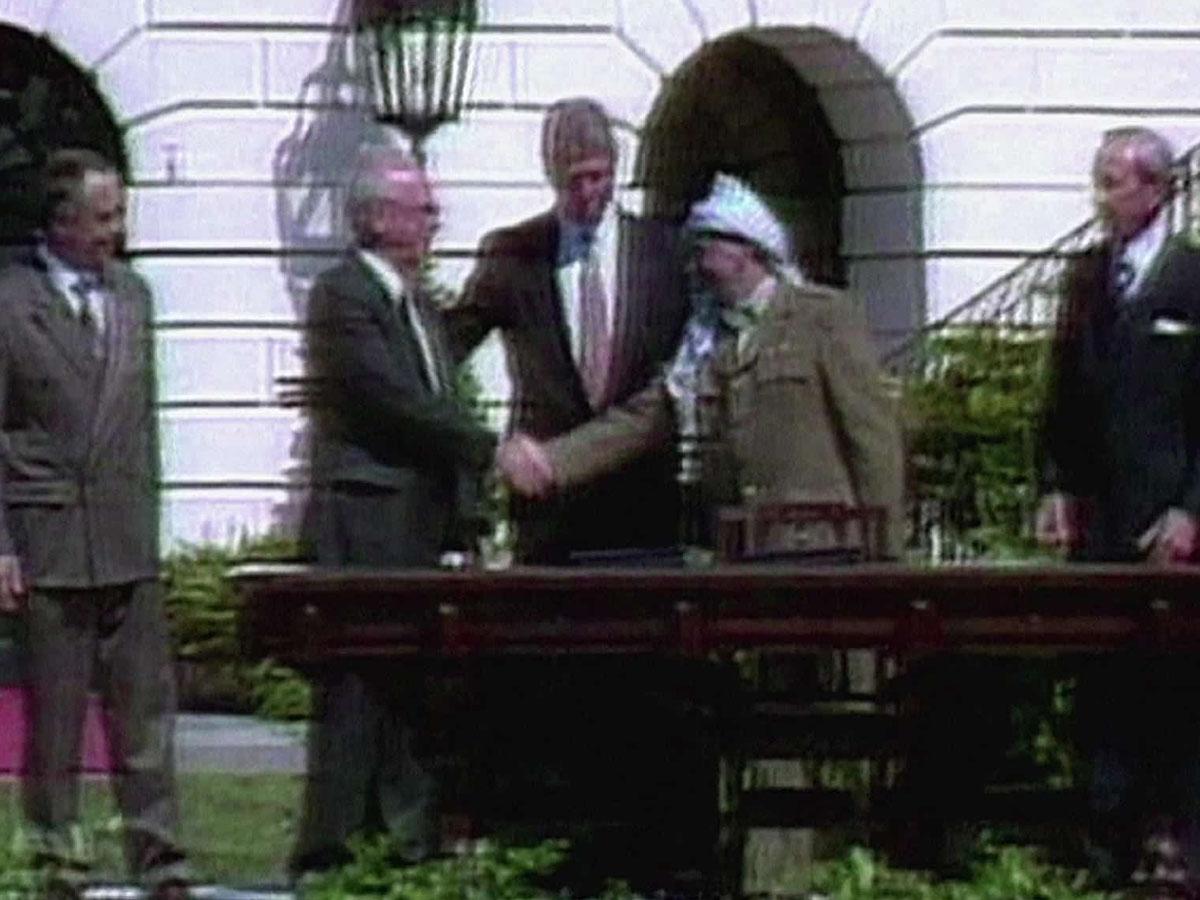
September 13, 1993: Yasser Arafat, Yitzhak Rabin and Bill Clinton’s handshake on the lawn of the White House after signing the Oslo Accords. A historic moment, repeated 20 times.
Rana Nazzal Hamadeh’s colourful, low-resolution imagery searches for indigenous plants, ravaged by settlement colonialism. More than a condemnation, Hamadeh’s docu-essay feels like a reappraisal of the (political) power that lies within crops like deerhorn and sumac.
Eighty years later, Theo Panagopoulos sheds a bitter light on archival footage. The director builds a dystopian bridge between the harbinger of the Nakba in 1948 and today’s genocide. Where are the plants and the people now? Do they still colour the regions?
Using images shared on the Internet by Israelis during the Gulf War, the First Intifada, and trance music gatherings, Shuruq Harb paints the portrait of a Palestinian teenager in the 1990s. In the midst of Israeli pop culture and the political climate of the Oslo Accords, she comes to grips with her anxiety.
Old Child depicts the fragmented story of Hazem, who had to flee Gaza. Throughout this stream-of-consciousness montage of dreams and reminiscences, he searches for order but also for the beauty he left behind.
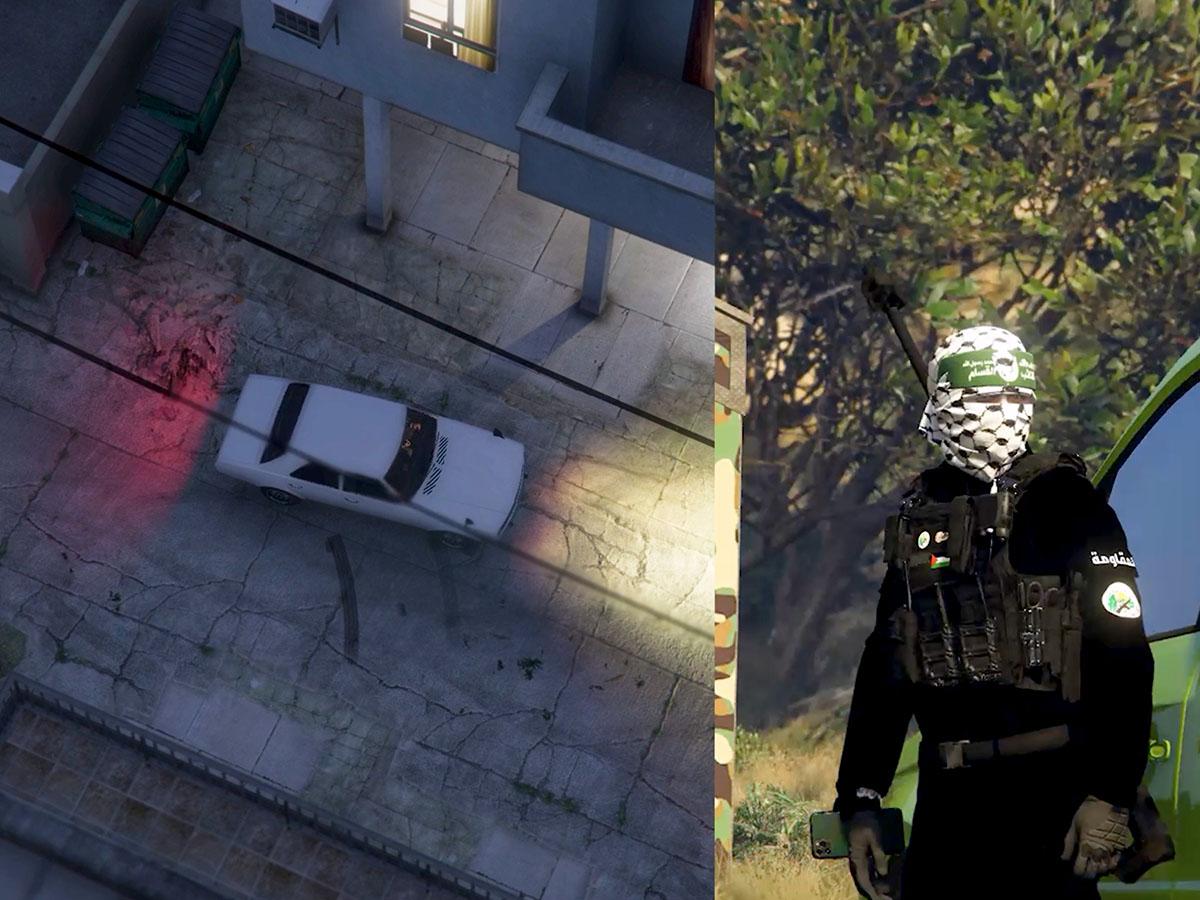
This short video essay explores how Palestinian gamers mimic life under colonial occupation in Los Santos, a fictional city in the Grand Theft Auto series, as a virtual proxy for the state of Palestine.